Lung Cancer: Digestive Symptoms That May Be Overlooked and the Warning Signs to Know
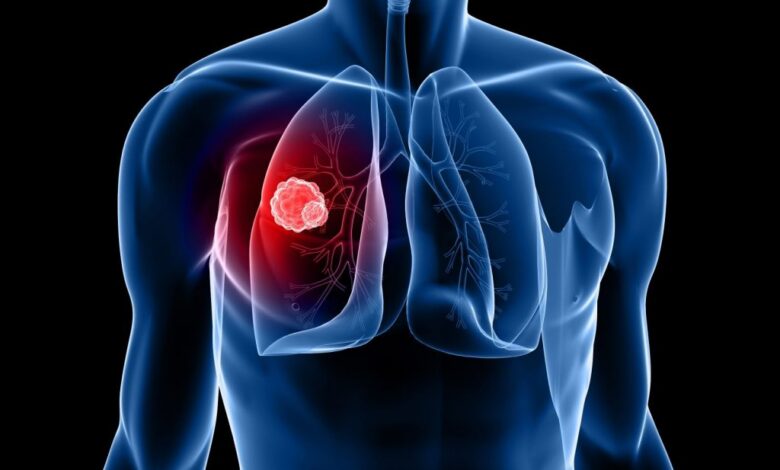
Lung cancer is generally associated with respiratory symptoms such as a persistent cough, shortness of breath or chest pain. However, in some cases, the disease may also cause digestive symptoms that can be subtle and difficult to immediately link to a lung-related condition.
These symptoms may affect appetite, digestion, body weight or overall physical functioning. Although they are not specific to lung cancer and can result from many other conditions, persistent or unexplained changes deserve attention, particularly when they occur alongside other unusual symptoms.
A gradual loss of appetite
A reduced appetite may be one of the first changes experienced by some people with lung cancer. It may involve feeling hungry less often, eating smaller portions or gradually losing interest in meals.
Several mechanisms may contribute to this change, including disease-related metabolic alterations and inflammation. Certain cancers can interfere with the biological signals that regulate hunger and satiety.
When appetite loss persists, it may reduce nutritional intake and contribute to unintended weight loss.
Nausea and vomiting without an obvious cause
Nausea and vomiting may also occur in certain cases of lung cancer. These symptoms are not necessarily caused by direct involvement of the digestive system.
In some situations, they may be associated with substances produced by the tumor that disrupt the body’s metabolic balance. Certain lung cancers can cause elevated blood calcium levels, a condition known as hypercalcemia, which may lead to nausea, constipation, excessive thirst or significant fatigue.
These symptoms can also result from medical treatments, medications or other health conditions. Their underlying cause should therefore be evaluated by a healthcare professional.
Abdominal pain that may be difficult to explain
Although lung cancer develops in the chest, some individuals may experience pain in the abdominal region.
There are several possible explanations. In certain cases, the pain may be associated with the spread of cancer to distant organs, including the liver or adrenal glands. It may also result from indirect mechanisms, such as metabolic disturbances.
Abdominal pain does not automatically indicate cancer. However, persistent, unexplained pain or discomfort accompanied by other unusual symptoms should be medically assessed.
Unintentional weight loss as a warning sign
Weight loss without deliberate changes in diet or physical activity is a symptom that should not be overlooked.
In the context of cancer, the body may undergo significant metabolic changes. Inflammation, alterations in nutrient utilization and reduced appetite can contribute to a loss of body mass.
When unexplained weight loss occurs alongside persistent fatigue, digestive problems or respiratory symptoms, medical evaluation is important to identify the underlying cause.
Why can lung cancer cause digestive symptoms?
Several mechanisms may help explain these manifestations:
- Metabolic changes: Certain tumors can disrupt the body’s hormonal or chemical balance.
- Inflammation: Inflammatory responses associated with the disease may affect appetite and overall bodily functions.
- Cancer spread: When the disease reaches certain organs, particularly the liver, abdominal symptoms may develop.
- Treatment-related effects: Chemotherapy, immunotherapy and certain medications may cause nausea, vomiting or changes in appetite.
It is important to remember that these symptoms are not necessarily associated with cancer, and their presence alone cannot establish a diagnosis.
Respiratory warning signs to watch for
Digestive symptoms should not overshadow the more familiar signs of lung cancer. Symptoms that deserve particular attention include:
- A persistent cough or an unusual change in an existing cough.
- Gradually worsening shortness of breath.
- Persistent chest pain.
- Coughing up blood.
- Recurrent respiratory infections.
- Unusual and prolonged fatigue.
The presence of several symptoms, particularly when they persist or become more severe, warrants medical attention.
Early diagnosis can make a difference
Lung cancer may sometimes develop for a period of time without producing clearly identifiable symptoms. This makes it important to pay attention to unusual and persistent changes in one’s health.
Digestive symptoms alone are common in many benign conditions. However, when they occur alongside unexplained weight loss, persistent pain, significant fatigue or respiratory symptoms, medical evaluation becomes especially important.
Recognizing the possible manifestations of the disease, even when they appear unrelated to the lungs, can improve awareness and help facilitate earlier medical care.