Aramco Considers Expanding East-West Oil Pipeline to Bypass Hormuz
The Saudi oil company’s chief says it is seeking additional export routes and overseas storage capacity, alongside a possible expansion of its East-West pipeline.
Saudi Aramco President and CEO Amin Nasser said on Tuesday that the oil giant was considering expanding its East-West crude pipeline, which bypasses the Strait of Hormuz, as the world continues to face its largest energy supply shock in history.
The effective closure of the strait, which previously carried 20% of global oil supplies, has reshaped international energy flows and infrastructure investment priorities across the Gulf. Nasser said in a statement that the impact extended far beyond the energy market.
“Higher transport costs, fertiliser shortages and the effects on food and consumer goods are intensifying inflationary pressures across the global economy,” he said. He also highlighted Aramco’s resilience as the company announced on Tuesday that third-quarter net profit had risen by more than a third.
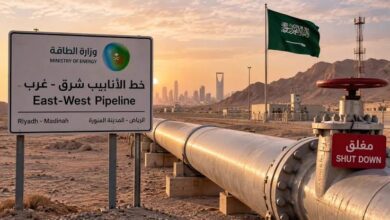
The company is seeking additional export routes and overseas storage capacity, including a possible expansion of the East-West pipeline, which carries Saudi crude to export hubs on the Red Sea.
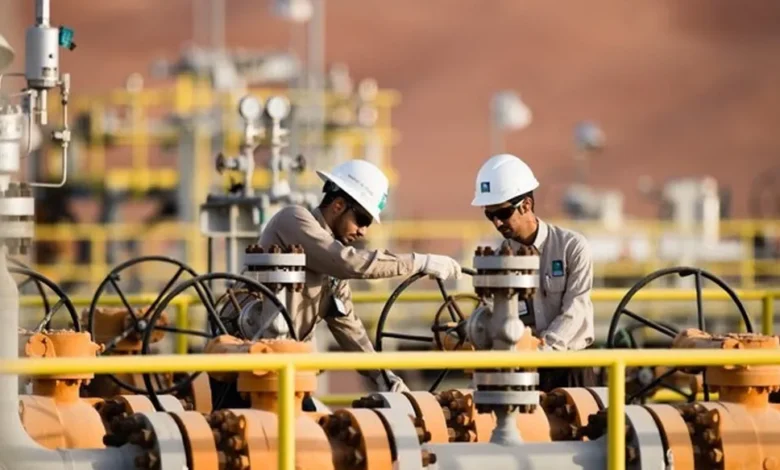
The pipeline, also known as Petroline, stretches approximately 1,200 kilometres, linking oilfields in the Eastern Province to the Red Sea port of Yanbu. Its strategic importance lies in transporting crude overland to an export outlet that does not require passage through the Strait of Hormuz. Two million barrels per day of its capacity serve refineries in western Saudi Arabia.
The pipeline, which has come under several attacks during the US-Iran war, has a capacity of seven million barrels per day. Nasser has previously described it as a vital lifeline.
Aramco is considering increasing capacity to approximately ten million barrels per day by upgrading pumping stations and associated infrastructure. Saudi Energy Minister Prince Abdulaziz bin Salman said last month that the kingdom could reach that level within two to three years, with additional investment providing an extra three million barrels per day. Nasser confirmed that the company was conducting engineering studies for the expansion and exploring other routes for transporting crude.
The plans follow a war that has exposed regional exports’ vulnerability to the strait’s closure or disruption to navigation, potentially forcing production cuts or a search for alternative outlets. The pipeline itself has also been attacked, demonstrating that shifting exports to the Red Sea does not eliminate security risks. It does, however, provide another route and reduce dependence on a single maritime chokepoint.
Saudi Arabia has held preliminary discussions with Kuwait and other Gulf states about using the pipeline or expanding it to accommodate additional regional oil volumes.
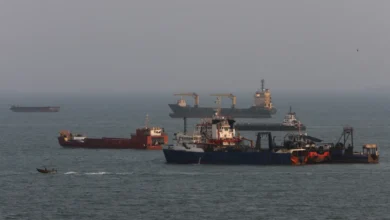
Nasser said more than 130 attacks on tankers had been reported so far, primarily targeting very large crude carriers and driving freight rates to more than 15 times their level a year earlier. These tankers can carry two million barrels of oil.
“The fundamentals supporting demand remain strong, and the world cannot plan its energy future around short-term market conditions. We are ready to increase production rapidly when circumstances require it,” he added.