Major War Warning: Washington Alerts Lebanon to Risk of Destruction as Hezbollah Raises Readiness
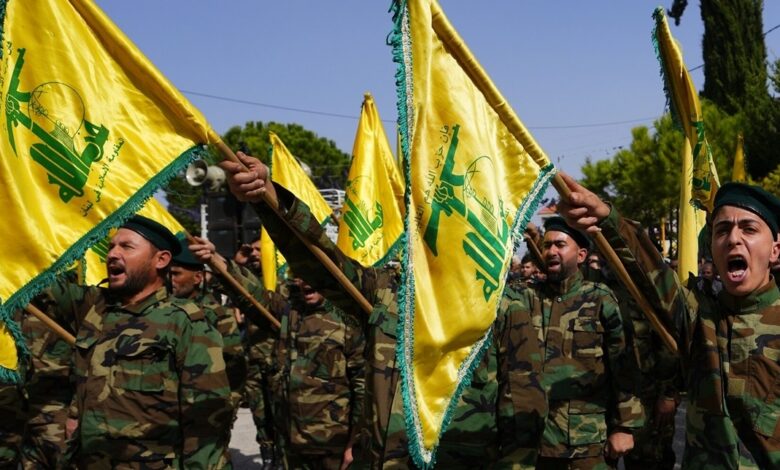
Lebanese authorities have received fresh US diplomatic warnings about the consequences of Hezbollah joining another war in support of Iran. The messages come amid reports that Israel has prepared military plans involving the occupation of major southern Lebanese cities, advances north of the Awali River, a blockade of the airport and seaports, and extensive destruction in Beirut’s southern suburbs.
Lebanese political sources said, citing diplomats, that the warnings were conveyed through official and informal channels. They included US contacts with Lebanon’s three leading state officials—Joseph Aoun, Nabih Berri and Nawaf Salam—as well as coordination committees and diplomatic channels handling Lebanese affairs.
The sources said Washington had also warned its regional allies to prepare for a possible resumption of military operations against Iran and the regional repercussions of another confrontation, particularly intervention by Tehran’s armed allies.
They said the messages to Beirut warned of unprecedented destructive consequences if Hezbollah decided to join the war. However, they did not include official confirmation that US President Donald Trump had given Israel final approval for a large-scale occupation scenario.
Plans to Occupy Three Cities
According to the sources, the Israeli military has prepared operational plans that envisage taking control of Tyre, Sidon and Nabatieh and expanding ground operations north of the Awali River if Hezbollah attacks Israel in response to renewed US or Israeli strikes against Iran.
The sources stressed that these are conditional military scenarios, not final orders to proceed. Their activation would depend on the nature of Hezbollah’s intervention and the scale of its operations.
Options under consideration include imposing a naval blockade on the ports of Beirut and Tripoli and disrupting traffic at Rafic Hariri International Airport, alongside expanded strikes on Hezbollah positions and deployment areas.
The sources added that Israeli threats included extensive destruction in Beirut’s southern suburbs, potentially amounting, according to the warnings relayed, to the devastation of entire neighbourhoods and areas.
A Larger Role for the Israeli Navy
The information indicates that Israeli plans account for the possibility that the air force could be heavily engaged in operations against targets inside Iran, requiring military responsibilities to be divided between the two fronts.
The scenarios therefore assign broader tasks to the Israeli navy, particularly blockading the Lebanese coast and striking targets deep inside the country, alongside ground and air operations.
These arrangements concern the possibility of a wider, multi-front war. They do not constitute an announced Israeli decision to begin operations.
According to the information, attacks on Iranian energy facilities and infrastructure are among the possibilities that could prompt Hezbollah to intervene—an eventuality Israel is preparing to address militarily.
Contacts with Lebanon’s Three Leading Officials
The sources said US contacts with Lebanese officials focused on preventing Hezbollah from entering another confrontation and warned that an Israeli response would not be confined to military sites or border areas.
The exchanges involved President Joseph Aoun, Parliament Speaker Nabih Berri and Prime Minister Nawaf Salam, as part of diplomatic efforts to prevent a potential US-Iranian confrontation from spreading to Lebanese territory.
The sources described the warnings as deterrence combined with intense political pressure. They do not necessarily mean Washington has already approved every military option Israel has prepared.
The available information did not disclose specific Lebanese commitments to the United States or guarantees obtained by Beirut that would prevent Hezbollah from joining the confrontation.
Hezbollah Sees Full-Scale War as Unlikely but Continues Preparations
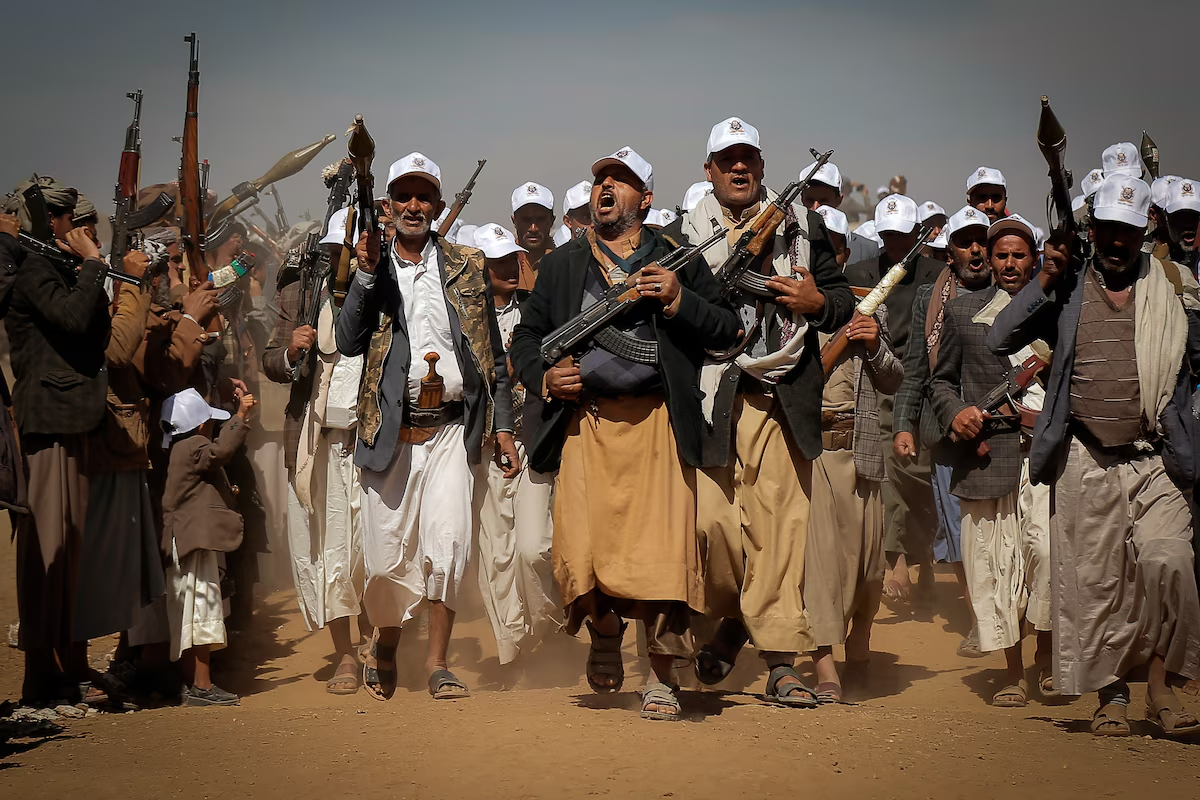
The sources said Lebanese political officials had briefed Hezbollah’s leadership on the diplomatic warnings and the military scenarios being discussed.
According to the information, the movement continues to regard a full-scale US war against Iran as unlikely. It believes the American and Israeli escalation is largely intended to extract Iranian concessions on the nuclear issue.
That political assessment has not, however, led to reduced military preparations. Hezbollah continues to strengthen its defensive and missile readiness in anticipation of another confrontation.
Its preparations reportedly include responding to possible Israeli ground incursions beyond current deployment lines, amid threats to extend operations towards southern cities.
The available information does not confirm that Hezbollah’s leadership has promised Lebanese officials to stay out of another war. Nor does it establish that the movement has made a final decision to intervene if Iran is attacked.
Diplomatic contacts therefore continue in an effort to prevent escalation, while Israel retains extensive military options and Hezbollah maintains its preparations without publicly settling its position on a possible new war in support of Iran.
A New Deterrence Equation
Political researcher and writer Mazen Bilal interprets the US and Israeli warnings as an attempt to impose a new deterrence equation on Hezbollah: any military intervention in Iran’s defence would trigger an expansion of the war to a level Lebanon would struggle to withstand.
Bilal said threats to occupy southern cities and blockade ports and the airport target more than Hezbollah’s military capabilities. They also place direct pressure on the Lebanese state to prevent another front from opening.
The threats do not necessarily indicate a final decision to carry them out, he added, because occupying cities and administering extensive territory requires substantial military and political resources. Conversely, Hezbollah’s dismissal of a full-scale war against Iran could become a highly dangerous miscalculation if it misreads US intentions.
Bilal said the central problem is that a decision to intervene in Iran’s support could be driven by regional calculations extending beyond Lebanon, while the Lebanese state and society would bear the immediate military, economic and humanitarian consequences of another confrontation.