Eight Juices That May Support Heart Health, If You Avoid This Common Trap
Drinks that can contribute to cardiovascular well-being

Diet plays an essential role in preventing cardiovascular disease. While fruits and vegetables are widely recognized for their health benefits, consuming them as juices can also provide nutrients that may support heart health. Some drinks made from natural ingredients contain antioxidants, vitamins, minerals and plant compounds that may contribute to healthy blood vessels.
However, not all juices offer the same nutritional benefits. Their sugar content, fiber levels and preparation methods can significantly affect their value. One of the biggest mistakes is assuming that every fruit juice is healthy simply because it is described as natural.
Here are eight juices that may fit into a heart-friendly diet, provided they are consumed wisely.
1. Pomegranate juice: A source of antioxidants
Pomegranates are particularly rich in polyphenols, plant compounds that help protect cells against oxidative stress. Some research suggests that consuming pomegranate juice may have beneficial effects on certain cardiovascular indicators, including blood pressure.
Its main nutritional advantage lies in its antioxidant content. However, study findings remain mixed, and there is not enough evidence to consider pomegranate juice a treatment for high blood pressure or heart disease.
To make a healthier choice, opt for products without added sugar and keep portions moderate.
2. Beetroot juice: Potential support for blood circulation
Beetroot contains natural nitrates that the body can convert into nitric oxide. This molecule helps blood vessels relax and plays a role in regulating circulation.
Some studies suggest that beetroot juice may produce a modest reduction in blood pressure in certain individuals. This potential effect makes it an interesting addition to a balanced diet.
Nevertheless, beetroot juice should not replace prescribed blood pressure medication or other medical measures recommended to protect cardiovascular health.
3. Tomato juice: A valuable source of lycopene
Tomatoes contain lycopene, an antioxidant from the carotenoid family that has been associated with potential cardiovascular benefits in several studies.
Tomato juice can also provide potassium, a mineral involved in blood pressure regulation. However, choosing a low-sodium version is important because some commercially prepared products contain substantial amounts of salt.
Excessive sodium intake can contribute to high blood pressure and reduce the potential benefits of this drink.
4. Orange juice: Vitamins and flavonoids
Orange juice provides vitamin C, potassium and flavonoids, plant compounds studied for their antioxidant properties.
These nutrients support normal bodily functions and can contribute to a diet that promotes vascular health. However, orange juice also contains naturally occurring sugars.
It is therefore best to choose small portions of freshly squeezed juice without added sugar. Eating a whole orange is generally a better option because it retains its fiber and helps promote fullness.
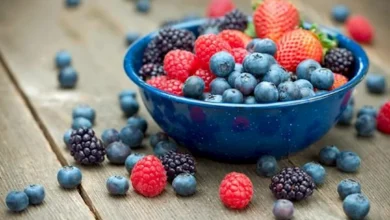
5. Blueberry juice: Rich in anthocyanins
Blueberries contain anthocyanins, natural pigments belonging to the polyphenol family. These compounds are being studied for their potential role in protecting cells and supporting blood vessel function.
Some research suggests that regularly eating berries may be associated with improvements in certain cardiovascular risk factors. However, evidence specifically concerning blueberry juice remains less conclusive than research on whole berries.
To limit sugar intake, consider blending whole blueberries with water rather than choosing sweetened commercial products.
6. Watermelon juice: A refreshing hydrating option
Watermelon consists largely of water and contains lycopene as well as citrulline, an amino acid that the body can convert into arginine, which is involved in nitric oxide production.
These compounds have attracted scientific interest because of their potential effects on vascular function. Nevertheless, current evidence does not establish that watermelon juice directly prevents cardiovascular disease.
It can still be a refreshing drink, particularly when prepared without added sugar.
7. Purple grape juice: Polyphenols worth preserving
Purple grapes contain several polyphenols, including anthocyanins and other antioxidant compounds. These substances are being investigated for their possible effects on blood vessel function and certain inflammatory processes.
Grape juice can therefore provide potentially beneficial plant compounds, but it is also relatively high in natural sugars. Drinking large quantities may quickly increase daily calorie intake.
Choose versions without added sugar and remember that whole grapes provide more fiber.
8. Cranberry juice: A nutritional option to consider
Cranberries contain proanthocyanidins and other plant compounds studied for their biological properties. They are particularly well known for their potential role in preventing certain recurrent urinary tract infections, but they also contain antioxidants that have attracted interest in cardiovascular research.
However, evidence of a direct heart-health benefit remains limited. Many commercially available cranberry drinks contain added sugar to balance their naturally sharp taste.
Checking the ingredient list and nutritional information is therefore essential before choosing this type of beverage.
The common trap: Confusing natural juice with whole fruit
Even when made from fresh ingredients, fruit juices do not provide exactly the same nutritional benefits as whole fruits. Juicing removes much of the fiber, which plays an important role in digestion, blood sugar regulation and feelings of fullness.
It is also much easier to drink the juice of several fruits within a few minutes than to eat the same quantity whole. This can lead to a high intake of sugar and calories without providing the same level of satiety.
Commercial beverages present another concern. Some contain added sugars, syrups or significant amounts of sodium, particularly prepared vegetable juices.
To make better choices:
- Choose juices without added sugar.
- Prepare drinks using fresh fruits and vegetables.
- Keep the pulp whenever possible.
- Limit portion sizes instead of drinking several large glasses every day.
- Make whole fruits and vegetables a regular part of your diet.
- Check the sodium content of commercially prepared vegetable juices.
Heart health depends on more than a glass of juice
Fruit and vegetable juices can provide valuable nutrients, but none offers guaranteed protection against cardiovascular disease. Their potential benefits depend on their composition, the quantities consumed and the overall quality of the diet.
Protecting heart health still requires a varied eating pattern rich in plant foods and fiber, limiting salt and ultra-processed products, staying physically active and monitoring major cardiovascular risk factors.
The best choice is therefore not necessarily the juice with the highest antioxidant content, but the one that fits sensibly into a balanced and sustainable lifestyle.