Rezaei Blocked a Diplomatic Breakthrough: Sources Reveal the Inside Story of Doha Talks
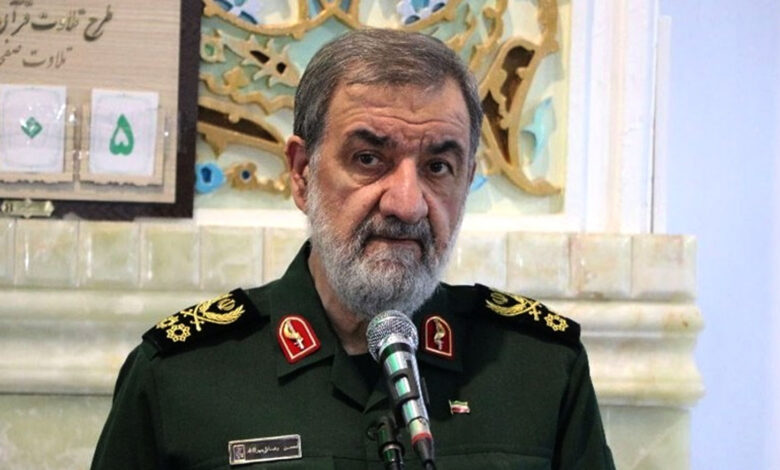
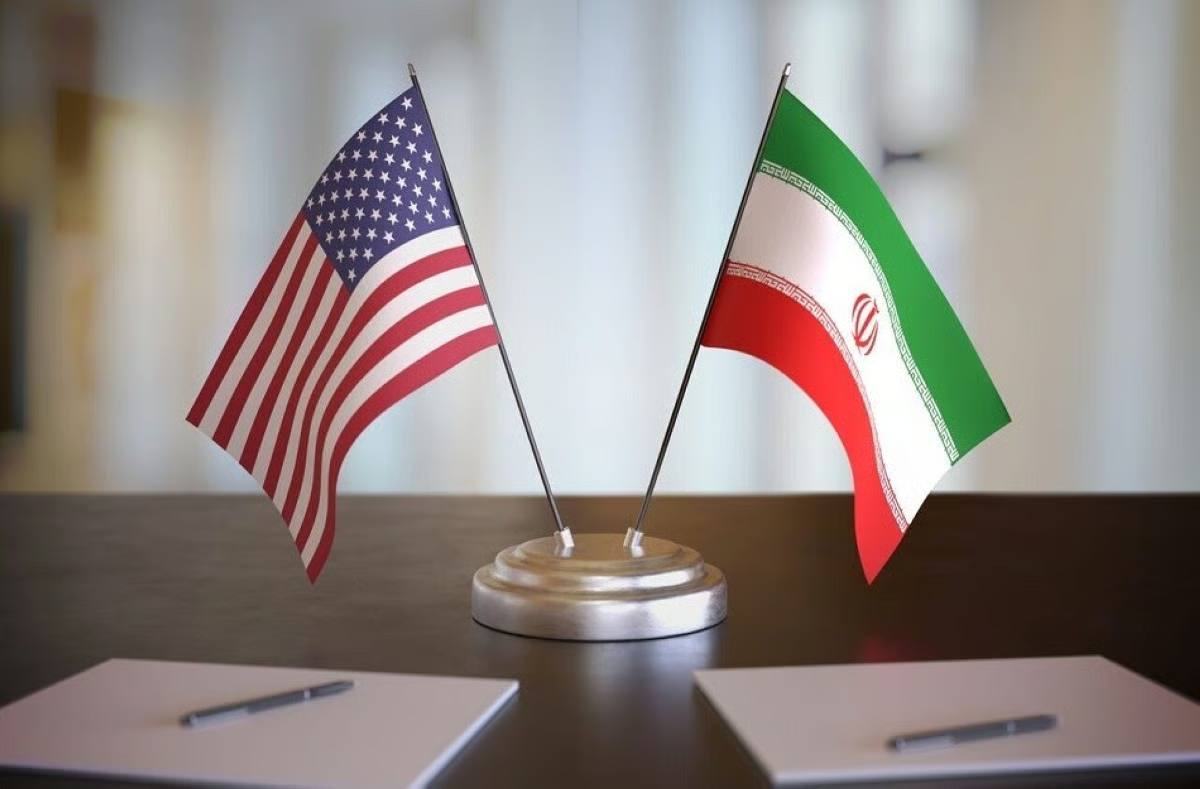
Diplomatic sources familiar with mediation efforts between Tehran and Washington have revealed that Mohsen Rezaei, secretary-general of Iran’s Supreme National Security Council, rejected a Qatari proposal to open a direct communication channel between US diplomats and an Iranian delegation that recently visited Doha. The move reflects continuing differences within Tehran’s decision-making circles over the limits of engagement with the United States, despite intensified regional efforts to secure a settlement ending the war.
The sources said that Doha sought to arrange what they described as a “close-proximity contact” channel between the Iranian delegation and US diplomats whose presence in the Qatari capital coincided with the latest discussions. The aim was to move beyond exchanging messages solely through mediators and gradually towards more direct negotiations.
They said Rezaei’s rejection prevented the initiative from proceeding but did not halt indirect contacts, which Qatar and Pakistan continue to facilitate in an effort to narrow differences over the Strait of Hormuz, US sanctions and Iran’s nuclear programme.
According to the sources, discussions between the Iranian delegation and Qatari officials focused on a formula to reopen the Strait of Hormuz in exchange for a partial lifting of the blockade and the easing of some US sanctions. Implementing reciprocal commitments would serve as an initial confidence-building test, paving the way for subsequent nuclear talks.
The First-Move Dilemma
A diplomat familiar with the mediation said that a Qatari delegation had visited Tehran in recent days and held contacts with several parts of the Iranian establishment. It sought to overcome a central obstacle to a possible understanding: determining which side would make the first concession and what guarantees would be offered in return.
The discussions addressed how to build confidence gradually so that neither side would view its actions as an uncompensated concession, but rather as part of reciprocal commitments sustaining the negotiating process.
According to the diplomat, mediators conveyed US willingness to commit to not resuming military strikes against Iran if disagreements emerged during future negotiations. Instead, Washington would return to mediation rather than escalate whenever talks stalled over an unresolved issue.
Contacts with the US administration reportedly intensified over the past two days, focusing on avoiding military escalation in the coming days to give Iran’s leadership time to consider the proposals and respond.
The diplomat added that mediators detected a willingness in Tehran to explore a near-term agreement that could open the way to a broader settlement on an accelerated timetable. Washington also seeks that outcome, but differences remain over sequencing, implementation mechanisms and guarantees.
Negotiating Authority and Iranian Conditions
These efforts coincide with Iranian signals that the diplomatic process could move forward. On Monday, President Masoud Pezeshkian announced that Supreme Leader Mojtaba Khamenei had granted the government certain powers relating to talks aimed at ending the war.
Pezeshkian said Tehran sought to resolve the crisis through dialogue, without disclosing the nature of the new powers or the limits of the government’s mandate.
Iranian Foreign Minister Abbas Araghchi, meanwhile, said consultations through Qatar and Pakistan were proceeding intensively. He stressed that reopening the Strait of Hormuz and resuming negotiations with the United States depended on Washington accepting Tehran’s conditions.
Iran insists that the strait, the blockade and sanctions must be addressed before other issues. Washington seeks broader talks encompassing the nuclear programme and arrangements for a comprehensive settlement.
This represents one of the negotiations’ most sensitive obstacles. Tehran wants practical guarantees concerning the removal of restrictions and the release of frozen funds, alongside an understanding on shipping routes and vessels transiting the Strait of Hormuz. The United States wants assurance that any sanctions relief will be matched by tangible progress on security and nuclear issues.
Fears of Israeli Escalation
Alongside diplomatic activity, concern is growing that US and Israeli military preparations could undermine prospects for an agreement. Discussions continue over the nature, scope and objectives of any renewed confrontation with Iran.
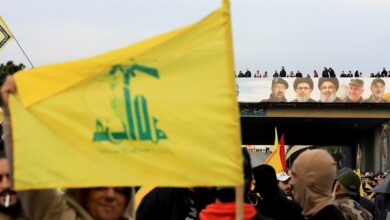
Israeli media reports have described consideration of options to expand military operations against Iran in coordination with Washington. Some assessments suggest another escalation could extend to Tehran’s regional allies, particularly Hezbollah in Lebanon, the Houthis in Yemen and armed factions in Gaza.
Scenarios under discussion include strikes on Iranian energy facilities, critical infrastructure, and military and nuclear sites. Considering these options does not, however, mean a final decision to carry them out has been made.
This leaves mediators racing against time to secure an initial understanding that prevents a wider regional confrontation. Any military escalation could affect maritime security, energy supplies and regional and international economic stability.
Disagreements over the Value of War
International relations professor Walid Safi believes the intensification of mediation reflects regional states’ desire to avoid another military confrontation whose consequences could reach their territories and impose heavy security and economic costs.
Safi said the US administration was divided over the best approach to Iran. One camp regards negotiations as less costly and more capable of delivering political results. Another believes continued talks give Tehran additional time without securing substantial concessions and favours military action.
He said the United States could inflict extensive damage on Iranian nuclear facilities and missile depots. In his assessment, however, it had failed during previous confrontations to translate military superiority into political gains that would force Tehran to accept Washington’s conditions or surrender.
Safi noted that disagreements extend beyond the US administration to Israeli assessments of military timing and objectives. He described differences between Prime Minister Benjamin Netanyahu and security and military bodies over the value of further strikes and whether the goal should be changing the Iranian regime’s behaviour or seeking to replace it entirely.
Hormuz and the Nuclear Issue: Who Concedes First?
According to Safi, diplomatic efforts currently focus on securing reciprocal concessions that can provide a foundation for further progress. Iran’s position nevertheless remains highly complex, with Tehran insisting on confidence-building measures before substantive negotiations.
He said disagreements over the Strait of Hormuz concern more than simply announcing its reopening. They include navigation arrangements, designated routes, which vessels may transit, and how these measures relate to US steps on lifting the blockade, releasing frozen funds, and easing sanctions.
Tehran does not appear ready to discuss the nuclear issue on Washington’s terms before receiving guarantees that reciprocal commitments will be implemented. An understanding on sequencing is therefore decisive for the negotiations’ future.
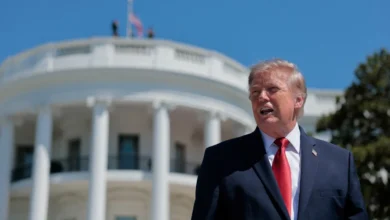
Safi said the diplomatic path remained unclear while US and Israeli military preparations continued. He viewed contacts between President Donald Trump and Prime Minister Benjamin Netanyahu as evidence that military action remained an option under active consideration.
Nevertheless, he did not rule out Trump giving Qatari and Pakistani mediators additional time after the US midterm elections rather than moving directly towards renewed escalation, particularly amid growing debate in the United States over the war’s military and economic costs.