The ceasefire has not ended the war as Hezbollah loses military capacity and hundreds of its members
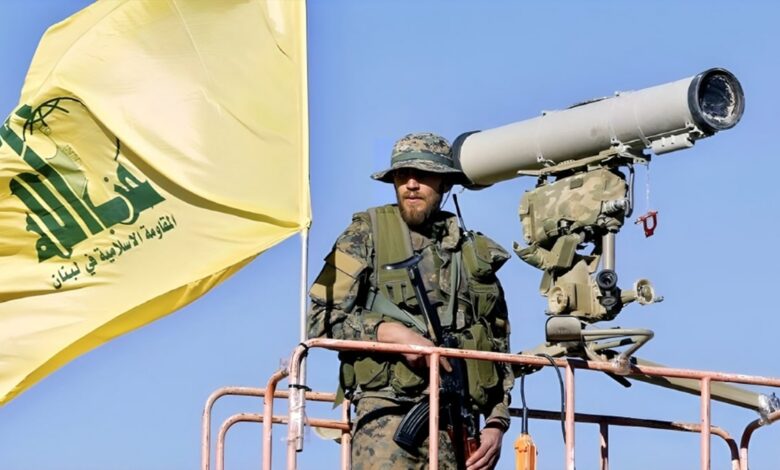
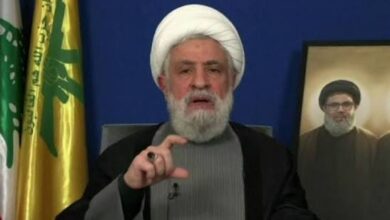
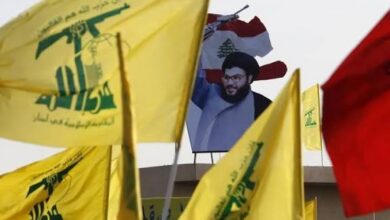
Despite a depleted arsenal and mounting military and financial pressures in Lebanon, Hezbollah would very likely side with Iran in the event of a U.S.-Israeli offensive against the country, according to Israeli strategic assessments.
Aman, Israel’s military intelligence directorate, assesses that Hezbollah would likely intervene on Iran’s side at the start of hostilities or shortly afterward. The group would then resume firing on communities in northern Israel.
Hezbollah seeks to rebuild its arsenal
According to the assessments, Hezbollah took advantage of the ceasefire that ended Operation Roaring Lion in April and of international political constraints on Israeli action in Lebanon to rebuild its forces and restore part of its rocket arsenal and other military capabilities, much of which had been destroyed.
The sources said the group resumed recruitment and training, restarted weapons factories, built drones and revived projectile production during this period. It also sought new routes to smuggle weapons and ammunition.
In response to those activities, Israeli strikes have killed around 400 Hezbollah members since the April ceasefire, according to the sources. The continued operations illustrate how the fighting has changed since the truce took effect.
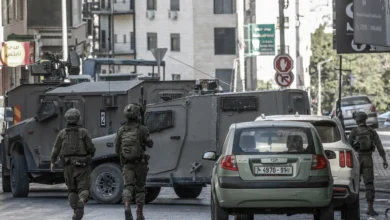
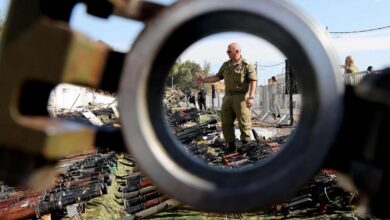
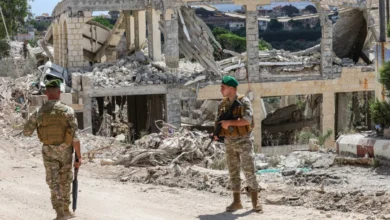
Overnight on November 15–16, the Israeli military also struck the Janta area near the Lebanese-Syrian border. According to Israel’s account, weapons pass through the remote area on their way to Hezbollah strongholds. Israel said it carried out extensive drone reconnaissance before the strike.
The strike, the first in the Bekaa Valley in three months, killed two people, according to Lebanese sources on the ground.
Israeli analysts differ over the threat Hezbollah poses
With tensions liable to escalate at any moment, Israeli think tanks are examining how Hezbollah might respond to an offensive against Iran and what options would be available to the Israeli military.
Retired Maj. Gen. Yaakov Amidror, a former national security adviser quoted by the Jerusalem Institute for Strategy and Security, said Hezbollah was still far from regaining its former military strength. Most of its factories have been destroyed and its stockpiles depleted. The few smuggling routes still open mainly serve traffickers in commercial goods, he said, and cannot accommodate large weapons systems that could undermine Israeli deterrence.
Amidror said drones warrant particular attention. They can be purchased on the civilian market, and Hezbollah is trying to improve their capabilities by combining commercially available components with its own manufacturing.
He also stressed that economic pressures weigh heavily on Hezbollah’s military decisions. Fighting displaced residents from dozens of Shiite villages in southern Lebanon, which the Israeli military then razed. Displaced families expect Hezbollah to provide shelter over the coming winter, putting the group’s finances under pressure as it faces the costs of both reconstruction and rearmament.
Retired Col. Gabi Siboni argues that Hezbollah still threatens towns and cities in northern Israel. He calls for extending the security zone to the Litani River and resuming strikes deeper inside Lebanon, including in the Bekaa Valley and Beirut. In his view, the constraints associated with the understanding between Tehran and Washington have effectively expired, and Israel should act independently of the White House on this issue.
Professor Hillel Frisch recommends limiting military action to airstrikes. He argues that Hezbollah no longer poses a strategic threat and warns against overstating the danger, as he believes happened before October 7. In his assessment, time is on Israel’s side.
Turkey gains ground as Iran’s influence wanes
Israeli political and strategic assessments suggest that Iran is beginning to lose its political, economic and cultural edge in Lebanon to Turkey. They point to the recent visit to Beirut by Bilal Erdoğan, son of Turkish President Recep Tayyip Erdoğan, as particularly significant.
According to those assessments, Ankara is seeking a central role in Lebanon to complement the one it already plays in Syria. Turkey could build deeper and more influential political ties with key Sunni figures and potentially with Christian figures as well.
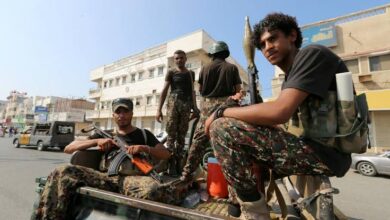
In this reading, any Hezbollah intervention against Israel would be driven by Iran’s calculations and military situation. Domestic Lebanese politics would have little bearing on that decision. The assessment points to the role Iran-aligned armed groups in Yemen, Lebanon, and Iraq play in advancing Tehran’s interests.