Hezbollah’s Weapons Stall Berri’s Mediation as Aoun Refuses to Trade Sovereignty for Dialogue
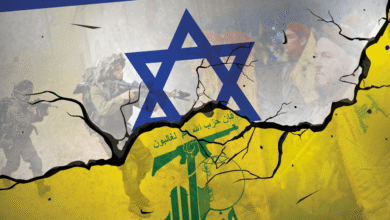
Informed Lebanese political sources said that Parliament Speaker Nabih Berri’s efforts to restore direct communication between President Joseph Aoun and Hezbollah are facing mounting difficulties as the party maintains political and security conditions for resuming relations.
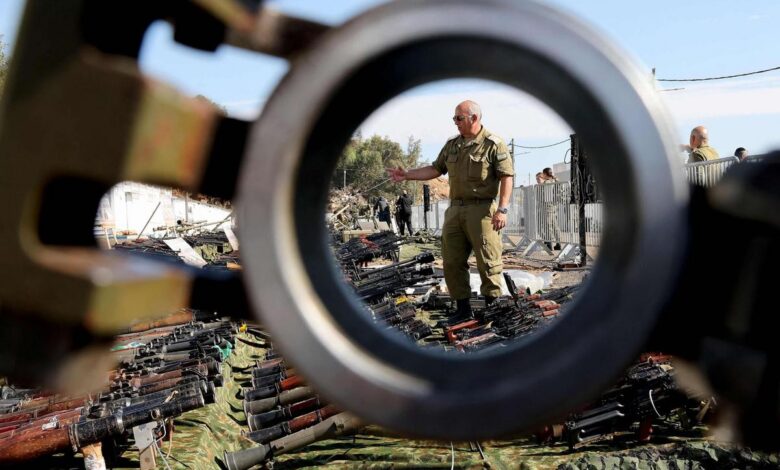
According to the sources, Hezbollah has demanded the suspension of the effects of the Cabinet’s March 2 decision banning its military and security activities. It also seeks a commitment that its weapons will not be included in any security understanding with foreign actors before an internal dialogue takes place.
Berri conveyed the party’s three demands to the presidency, including the withdrawal of Lebanese support for turning the security framework agreement into a binding international reference. Aoun, however, told him that he would not accept any undermining of Cabinet decisions or suspension of their implementation.
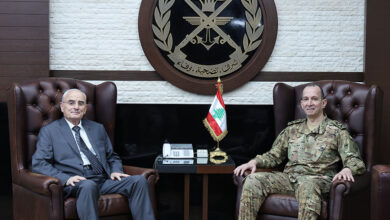
The sources said the Lebanese president was willing to receive a Hezbollah delegation to discuss practical measures concerning army deployment and the future of unauthorised military facilities. He nevertheless rejects using dialogue as a means of obstructing sovereign state decisions.
Details of the discussions reveal that Berri sought to separate the resumption of political communication from the issue of bringing all weapons under state control. He proposed a limited meeting focused on security concerns in the south, while leaving implementation of government decisions within the government’s remit.
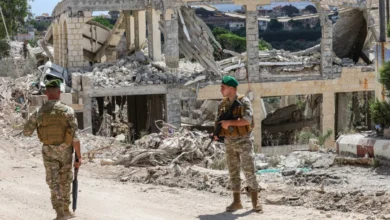
The mediation impasse coincides with diplomatic efforts concerning the future of international forces in southern Lebanon and arrangements following the United Nations Interim Force in Lebanon (UNIFIL). Officials fear that Hezbollah could exploit the political dispute to obstruct the extension of state authority over border areas.
The sources confirmed that Aoun had told the parliamentary speaker he would not accept any undermining of Cabinet decisions, while reiterating his willingness to receive a party delegation to discuss army deployment and the fate of unauthorised military facilities.
Berri Runs into Hezbollah’s Conditions
The discussions show that the parliamentary speaker attempted to separate the restoration of political contacts from the issue of exclusive state control over weapons. He proposed a limited meeting addressing security concerns related to the south, with the government remaining responsible for following through on the relevant decisions.
According to the sources, Hezbollah insisted on first obtaining a presidential statement acknowledging that the March 2 decision could be reconsidered. Its leadership believes that maintaining the ban prevents it from returning to negotiations with its previous political standing.
The second obstacle concerns the framework agreement establishing the political reference for future security arrangements. Hezbollah opposes referring it to the UN Security Council, fearing that it could become an international commitment restricting its military activities both north and south of the Litani River.
Berri tried to persuade the party to accept a preliminary meeting with Aoun attended by a political representative without military authority. However, discussions about setting a date were postponed because the preconditions remained in place.
The speaker’s task is becoming more complicated as the December deadline for ending UNIFIL operations approaches, alongside consultations on the international arrangement that will support the Lebanese army in the border area.
Baabda Considers Ways around the Impasse
The presidency is considering shifting oversight of security decisions’ implementation to regular meetings involving the president, the prime minister and the army command. This would prepare the ground for a government programme identifying the sites the military can take over and the resources required to expand its deployment.
Options under consideration include asking the relevant ministries to compile an inventory of government facilities and land being used outside official institutional authority. The competent agencies could also be tasked with preparing administrative and legal files on sites that could gradually be reclaimed.
Political sources said President Aoun favours keeping dialogue separate from these measures and giving Prime Minister Nawaf Salam responsibility for overseeing implementation through the Cabinet. Decisions on exclusive state control over weapons were issued by the executive and fall within its constitutional responsibilities.
The area north of the Litani has acquired additional importance in the presidency’s calculations as objections grow to Hezbollah retaining a military infrastructure beyond the area directly covered by border security arrangements.
The government’s approach also includes the possibility of submitting periodic military reports to the Cabinet on deployment progress, sites where weapons have been seized and obstacles on the ground. This would allow implementation decisions to proceed independently of political mediation.
Iranian Influence Complicates a Settlement
Regionally, Iranian officials’ statements about Lebanon are drawing increasing objections within Lebanese political circles. This has been particularly evident since Iranian Parliament Speaker Mohammad Bagher Ghalibaf described Lebanon and Iran as part of a single front, prompting Berri to reaffirm the independence of Lebanese decision-making.
The sources believe these developments have weakened Hezbollah’s ability to portray its dispute with Baabda as a domestic matter concerning arrangements in the south. Concerns are growing that the party could use its military influence to keep Lebanon tied to the Iranian regime’s calculations.
Against this backdrop, French diplomatic contacts are seeking to encourage renewed communication between the presidency and Hezbollah. These efforts are taking place alongside preparations for US Ambassador to the United Nations Mike Waltz’s expected visit to Beirut on November 16 and 17.
The continuing impasse raises the prospect of Hezbollah losing influence over upcoming security decisions, particularly if the government moves to implement its programme through the army and the relevant institutions. Meanwhile, attempts to tie Lebanese decision-making to the Iranian regime’s interests are encountering growing political opposition.