Berlin Tightens the Net around Hezbollah’s European Front Organisations
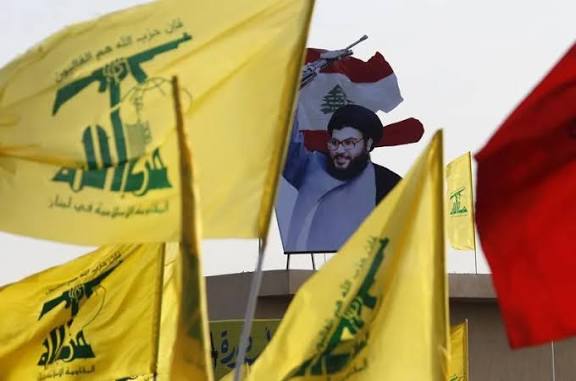
German measures target associations and front organisations suspected of financing Hezbollah and spreading its ideology, amid security and judicial coordination and differing European approaches to its designation.
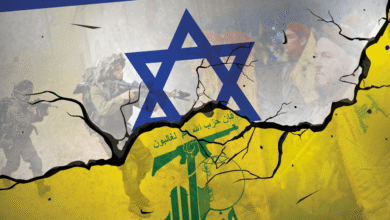
Germany is intensifying security and legal measures against activities linked to Lebanon’s Hezbollah on its territory. The move signals a broader application of the ban on the movement, targeting associations and front organisations accused of providing financial and organisational support and promoting its ideology. On Tuesday, German security forces raided 28 locations as part of a decision banning the Al-Irshad association and several affiliated entities, confiscating their assets and shutting down their websites.
The measures form part of continuing European efforts to restrict Hezbollah’s activities outside Lebanon. Rather than stopping at designating the movement or its military wing as terrorist, authorities are pursuing structures suspected of facilitating funding, propaganda, recruitment and engagement with local communities.
The ban covers the registered Al-Irshad association and three affiliated entities: Al-Qaim, Al-Thaqalayn and the Qalam educational centre. It also prohibits the public use or dissemination of their symbols, closes their online platforms and orders the seizure of their property. Police searched association premises, commercial facilities and several members’ homes for further evidence concerning their activities and funding sources.
Berlin’s interior senator, Iris Spranger, said investigations showed that the association had provided Hezbollah with financial and organisational support. She also accused it of offering a platform for the movement’s propaganda and ideology opposing Germany’s constitutional order within the Shia community. According to Spranger, the association used youth activities and its mosque in Neukölln to pursue these objectives.
The decision carries additional significance because it involved cooperation between security and judicial institutions at state and federal levels, including the Federal Public Prosecutor’s Office and domestic intelligence services. Spranger said it also drew on recent final convictions of Hezbollah officials in Germany, reflecting a shift from security monitoring towards legal action against the organisational structures surrounding the movement.
The operation illustrates Germany’s approach to Hezbollah as an issue extending beyond military or immediate security concerns. It encompasses funding networks, religious and educational associations, and social activities that the authorities say may be used to expand the movement’s influence and sustain its presence outside Lebanon.
The move does not mark the beginning of Germany’s tougher stance. In April 2020, Berlin banned all Hezbollah activities on its territory and designated it a terrorist organisation, prohibiting its promotion, the use of its symbols and fundraising on its behalf. The latest raids nevertheless indicate broader enforcement against institutions suspected of involvement in support and promotional networks.
Germany is acting within a wider European trend, although positions remain uneven. Britain banned Hezbollah in its entirety in 2019, while the Netherlands had taken a similar position in 2004. Austria expanded its symbols ban in 2021 to cover the whole organisation, having previously restricted it to the military wing. At European Union level, however, the terrorist designation still covers only Hezbollah’s military wing, not its political wing, reflecting continuing differences in European approaches.
The German action is also significant because it comes years after the ban was imposed. It suggests that Berlin does not regard legal decisions alone as sufficient to end Hezbollah-linked activity. Authorities are also pursuing structures that could provide financial resources, a social presence or propaganda platforms. Security and judicial coordination strengthens this approach, particularly when grounded in convictions involving people linked to the movement.
The approach nevertheless requires a clear distinction between activities that investigations establish are connected to Hezbollah and legitimate religious and social practices within communities. Counter-extremism must not become a general restriction on religious freedom or the targeting of groups because of their sectarian affiliation.
The Berlin raids therefore represent more than the banning of a local association. They reveal a German effort to deploy legal and security tools against support networks suspected of links to Hezbollah, amid growing European pressure to prevent the movement from using European territory as a base for financing, mobilisation and expanding its activities.