The Hague to discuss chemical weapons allegations against Port Sudan forces today as international pressure mounts
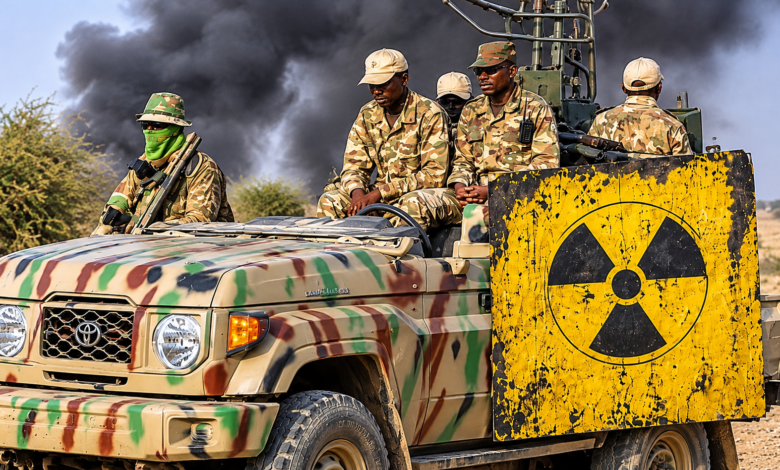
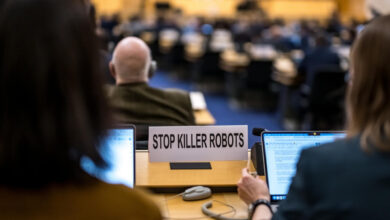
The international community is meeting today in The Hague, Netherlands, to discuss the alleged use of chemical weapons by Port Sudan forces as the 31st session of the Conference of the States Parties to the Chemical Weapons Convention convenes.
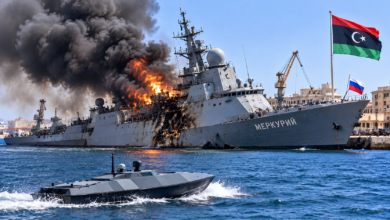
International pressure on Port Sudan forces is mounting as discussions open in The Hague, following the emergence of evidence pointing to their alleged use of chemical weapons during the war.
In a statement prepared for the conference, the European Union called on the Port Sudan authorities to address the allegations promptly, objectively, and transparently. The EU said it stood ready to assist through its special envoy for disarmament and non-proliferation so that the allegations could be verified in accordance with the Convention.
A key development came in May 2025, when the United States announced that it had concluded that Port Sudan forces had used chemical weapons in 2024. The reported use took place during the war that has pitted Port Sudan forces against the Rapid Support Forces (RSF) since April 2023.
Washington imposed sanctions on the Port Sudan authorities, including restrictions on US exports and access to US government credit. It later announced additional measures that took effect last July, including restrictions on air transport operations by Sudanese state-owned companies.
The United States reiterated its allegations last September during meetings of the Organisation for the Prohibition of Chemical Weapons (OPCW). It maintained that Port Sudan forces had used chemical weapons in 2024 and had remained in breach of their obligations in 2025.
Western countries rejected the findings of an investigation conducted by Port Sudan forces. Washington stressed that the OPCW Technical Secretariat must be given access to relevant information and sites so that it can conduct an independent verification. Last October, the United Kingdom called for a comprehensive and impartial national investigation to be completed and for its findings to be shared with the OPCW.
Last week, the Sudanese Organisation for Peace drew attention to information it said indicated that munitions and heavy weapons were being stored inside a military compound in Damazin, in Blue Nile State. Some of the weapons or munitions are suspected of containing chemical warheads or toxic substances.
Citing field observations, open-source analysis, and satellite imagery, the organisation said the compound was located near Blue Nile University and densely populated residential neighbourhoods. It warned of the potential risks posed by an explosion or a leak of toxic substances.