Washington moves to intensify its economic campaign against Iran
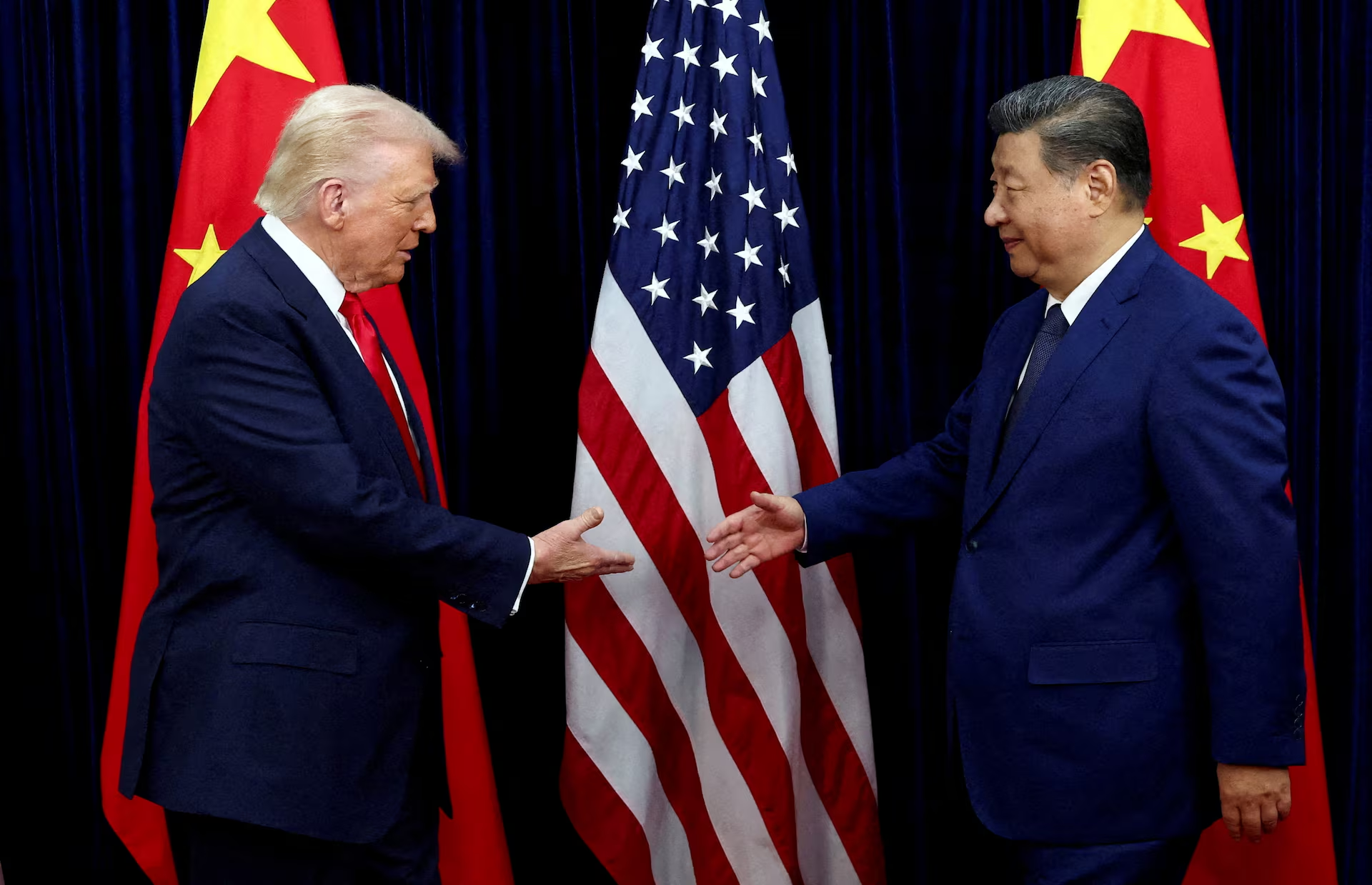
U.S. Treasury Secretary Scott Bessent said sanctions would focus on Iran’s Revolutionary Guards and on networks Washington accuses of funding their activities and helping them evade existing restrictions.
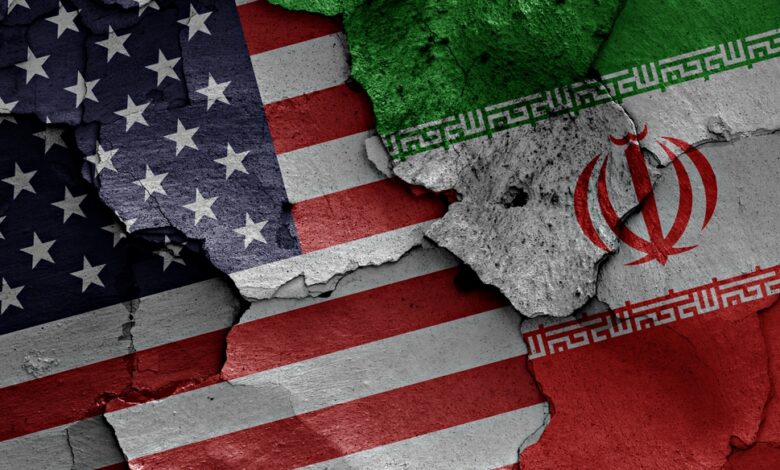
The United States is preparing to increase economic pressure on Iran by targeting its sources of funding, particularly oil revenues and financial networks linked to the Islamic Revolutionary Guard Corps (IRGC). The move threatens to further strain an economy already battered by sanctions, a blockade and dwindling financial resources. Iranian authorities fear protests as living costs rise and household purchasing power falls sharply.
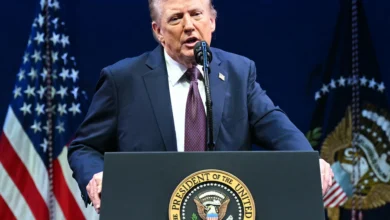
Speaking to Qatar’s Al Jazeera on Friday, U.S. State Department spokesperson Tommy Pigott said President Donald Trump had repeatedly made clear that he would not allow the Iranian government to acquire a nuclear weapon. Pigott added that economic pressure had achieved its objectives by denying Tehran access to funding.
Bessent confirmed that Washington would continue to tighten sanctions, focusing on the Revolutionary Guards and the networks the United States accuses of financing their activities and helping them evade restrictions. The administration aims to broaden the scope of the sanctions to cover the financial and commercial channels that keep money flowing to Tehran.
U.S. tightens its blockade on Iranian oil exports
The financial sanctions are being tightened alongside measures to further restrict Iranian oil exports, one of the country’s main sources of foreign currency.
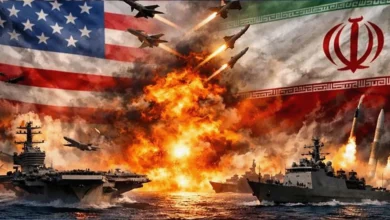
Last Wednesday, U.S. Central Command (CENTCOM) announced broader rules for enforcing the naval blockade. Any vessel that receives cargo at sea from a tanker loaded in Iran will now be deemed to have evaded the blockade, even if it has never entered an Iranian port or approached the country’s coast.
The move is intended to close loopholes Tehran could use to keep selling its oil, particularly through ship-to-ship transfers in international waters. It narrows the options available to shipping and trading networks involved in Iranian exports and raises their operating costs.
The United States began its naval blockade of Iran-linked oil exports on April 13. It lifted the blockade in June after reaching a draft agreement with Tehran, then reinstated it on July 14 after the understanding collapsed.
Washington is now increasing pressure on two fronts, targeting financial institutions and networks while tightening restrictions on oil exports. If sustained, these measures could further reduce Iran’s foreign currency earnings, disrupt trade and raise the cost of financing imports and business activity. That would leave Tehran with fewer resources to manage the economic crisis.
A falling rial deepens the squeeze on households
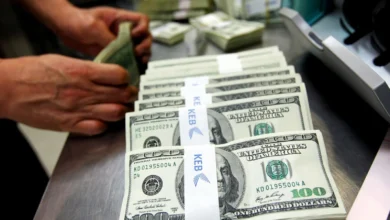
The mounting strain is already visible in the Iranian rial, which continues to fall against the U.S. dollar and has reached record lows as foreign currency earnings decline and access to hard currency becomes more difficult.
The falling rial is deepening strains in the domestic market. Higher import costs and declining confidence in the national currency are putting additional pressure on businesses in trade and manufacturing.
For Iranian households, persistently rising prices for essentials, especially food, are eroding purchasing power. At the same time, wages and savings are losing value in real terms.
Many Iranians are struggling with rising living costs as the government’s options for containing inflation and easing the effects of sanctions and dwindling financial resources continue to narrow.