From reactors to floating power plants, how Russia is expanding its nuclear reach in Africa
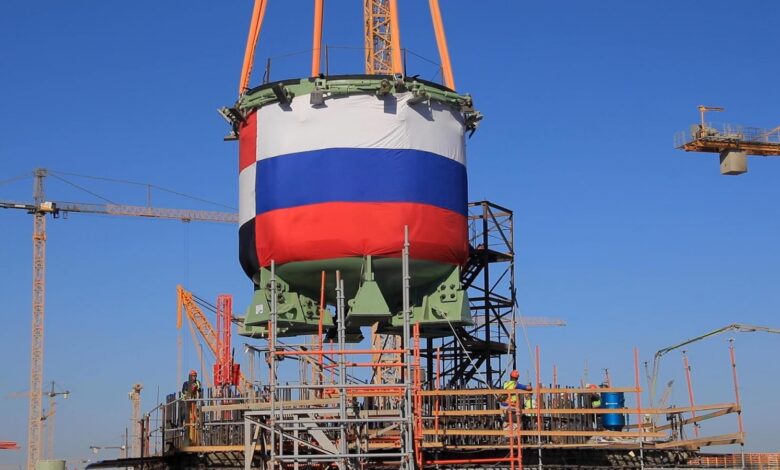
Cooperation agreements, state-backed financing and floating power plants are all part of Moscow’s pitch to African countries. For those countries, the challenge is to meet growing electricity demand while managing the long-term commitments that come with nuclear power.
At the Russia–Africa summit held in Moscow in late October, Russia presented a series of cooperation initiatives aimed at expanding its presence in Africa’s nuclear power sector. Moscow sees an opportunity in the growing demand for clean, reliable electricity to support industrial development and job creation across the continent.
At the summit, Russia signed a cooperation agreement with Ghana with the long-term aim of building a 2,000-megawatt nuclear power plant.
Russia’s state-owned nuclear company Rosatom is reportedly in advanced talks with Egypt, Togo, Namibia and Tanzania about floating nuclear power plants. It aims to become the world’s first commercial exporter of the technology.
A report by Energy for Growth Hub identifies eight African countries that are ready or nearly ready to adopt nuclear power. Another 14 could be ready by 2050.
Why Russia’s offer is easier to put into practice
According to the report, Russia offers packages that combine technology, state-backed financing and operational support. It has also trained many nuclear engineers across Africa.
Western governments have long been hesitant to support the deployment of nuclear technology abroad. Their private companies, many of them still startups, face financing and regulatory hurdles.
Given these conditions, Russia’s offer to African leaders is appealing. It is easier to implement and offers a more direct path to construction than Western reactor designs, which carry several layers of uncertainty.
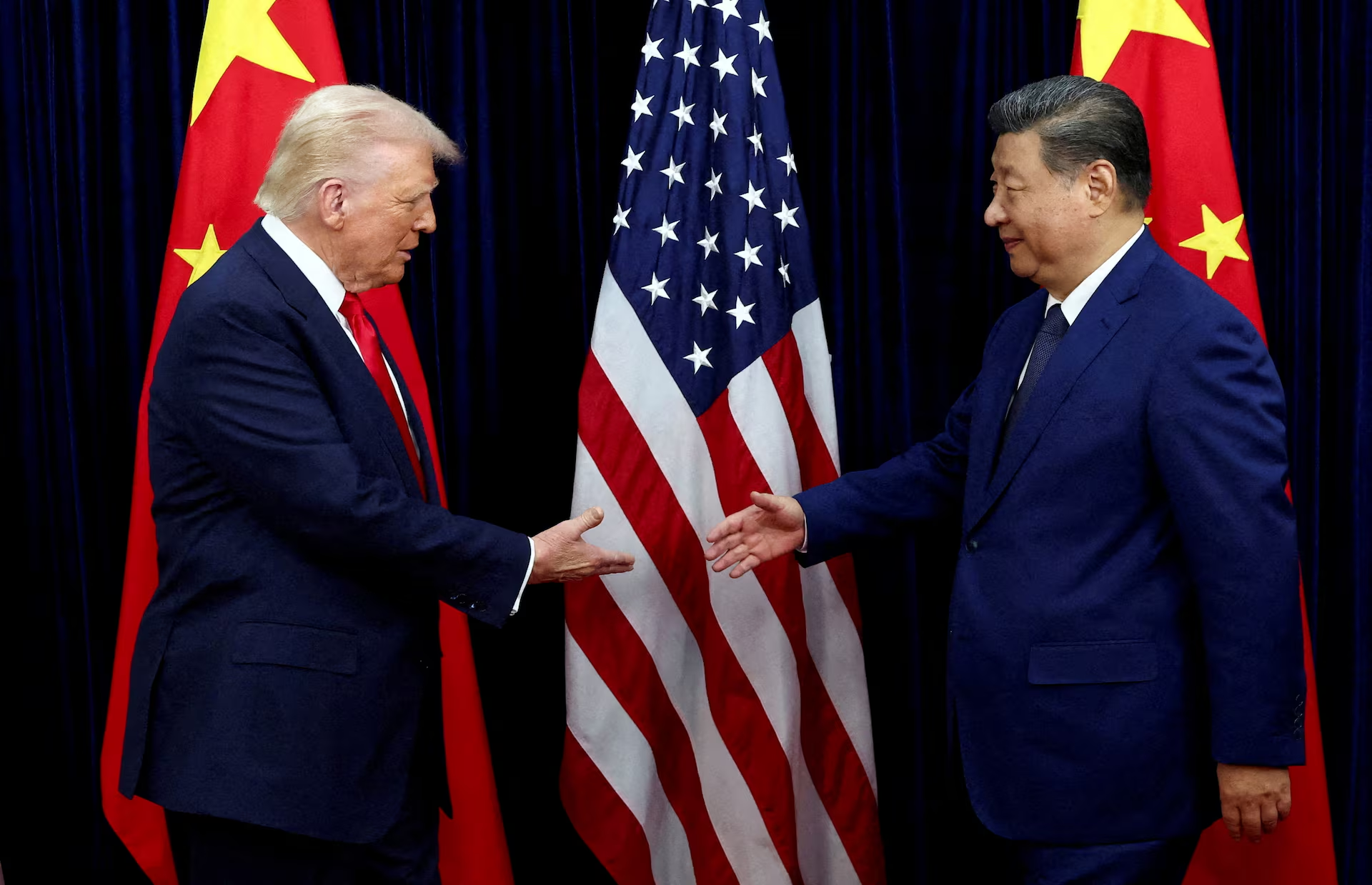
The series of deals signed at the summit shows how far Russia has moved ahead. It also explains why the United States would need to coordinate its efforts and move quickly if it wants to gain a foothold in Africa’s nuclear power market.
Commitments that can last for decades
Nuclear power plants can operate for 80 to 100 years, a lifespan that sets them apart from most other energy infrastructure. Contracts for fuel supply, maintenance, technical support, and spent fuel management can tie countries to foreign suppliers for decades. The report says these relationships can create commercial, strategic and security dependencies that are difficult to unwind.
Rosatom has signed cooperation and construction agreements with at least 20 African countries. Russian reactors are under construction at El Dabaa in Egypt, which is expected to become the second country on the continent to generate nuclear power.
U.S. nuclear engagement in Africa has remained limited. President Donald Trump’s administration has instructed officials to pursue at least 20 agreements enabling U.S. nuclear exports by the end of his term. Morocco remains the only African country with such an agreement in force, following the expiration of South Africa’s agreement in December 2022.
Floating nuclear plants offer speed and carry risks
The report highlights the potential appeal of floating nuclear power plants. Their ship-mounted reactors can be built in advance and delivered quickly to coastal sites for connection to the electricity grid.
That mobility also gives Moscow leverage. Russia could sail a plant away if the customer country fell behind on payments or took a position Moscow opposed. The report argues that the ability to withdraw a significant share of a country’s power supply at short notice would give Russia considerable geopolitical leverage.
Africa’s experience with floating power plants has been mixed. Several countries contracted Turkey’s Karpowership, which operates fossil-fuel-powered floating plants, to address urgent electricity shortages. They ultimately faced high electricity costs and long-term payment obligations.
Floating nuclear plants use different technology, but many of the same contracting and procurement risks apply. Without competitive bidding, regulatory oversight, fixed-term contracts, transparent disclosure of contract terms and a thorough assessment of long-term obligations, emergency power solutions can create costly dependencies.
Decisions that could shape Africa’s power systems for generations
The report concludes that Russia is moving quickly to establish nuclear partnerships that could shape Africa’s energy systems for generations. African countries need the ability to assess these offers on their own terms and to pursue nuclear power without relying solely on Russian financing.