The war economy and undisclosed deals: How Turkish, Egyptian, Saudi, and Qatari economic interests have helped finance Sudan’s conflict
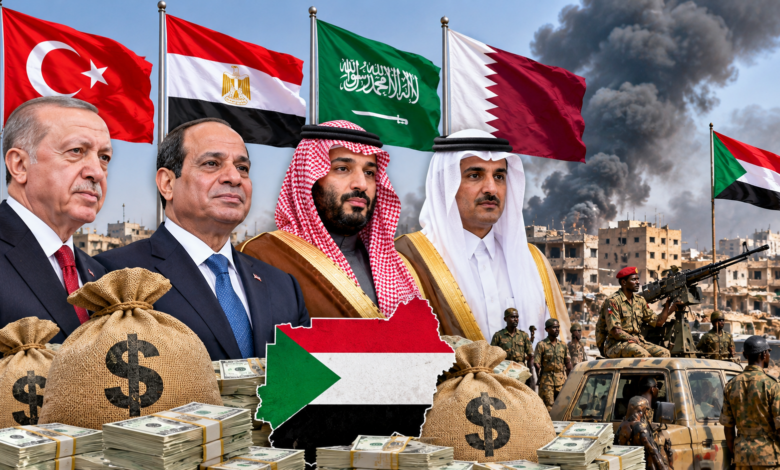
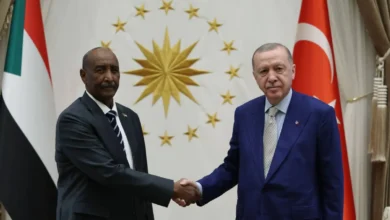
Understanding why Sudan’s war has continued for more than three years requires a close look at the economic structures that sustain it. Reports by the United Nations Panel of Experts on Sudan and Global Witness indicate that the country’s resources, particularly its gold, agricultural land, and seaports, have become a major source of financing for military operations. That financing flows through trade and investment networks with direct or indirect links to Egypt, Turkey, Saudi Arabia, and Qatar.
1. Sudanese gold, smuggling routes, and official trade
Gold is the primary source of funding for Sudan’s war effort. According to international economic reports, the collapse of the banking sector in Khartoum drove the warring parties to rely on raw gold exports to obtain foreign currency and buy weapons and fuel.
- Egypt’s role. The Egyptian–Sudanese border has become a major transit corridor for Sudanese gold. The metal moves through both official channels reorganized in coordination with the Port Sudan authorities and informal smuggling networks. This flow has provided the de facto authorities with vital liquidity in exchange for imports of essential goods and fuel from the Egyptian market.
- Turkey’s role. Turkish companies have emerged as active partners in Sudan’s mining sector. Agreements to develop gold deposits and extract minerals were concluded in exchange for technical, logistical, and military support for Sudan. This tied the future of Turkish investments to the military authorities’ hold on power in Port Sudan.
2. Sudan’s ports and the geostrategic competition for the Red Sea
Sudan has approximately 750 kilometers of coastline on the Red Sea, drawing the attention of regional powers seeking to secure shipping lanes and supply chains.
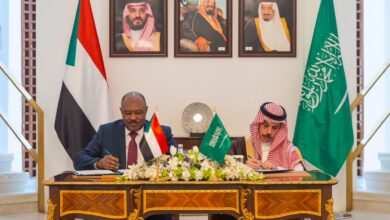
- Competition among Turkey, Saudi Arabia, and Egypt. Ankara is seeking to revive agreements to develop the historic port of Suakin and strengthen its maritime presence. Riyadh is pursuing strategic investments in Sudanese ports and the surrounding economic zone to protect Red Sea security and curb the expansion of its rivals’ influence. Cairo, meanwhile, links the security of Sudanese ports to the security of the Suez Canal and to regional rail and electricity interconnections.
- How the competition has prolonged the war. This economic rivalry has turned Sudan’s ports, especially Port Sudan, into financial and military hubs through which customs revenues, aid, and equipment flow. Access to those resources has allowed the army leadership to forgo seeking a comprehensive settlement that would enable the reconstruction of Khartoum, Darfur, and other devastated regions.
3. Food security, agricultural investment, and humanitarian financing
Sudan’s fertile farmland and water resources are central to the food security strategies of countries in the Gulf and the eastern Mediterranean.
- Saudi Arabia and Qatar. Saudi and Qatari investment institutions have a long history of involvement in Sudanese farming and livestock projects. During the war, economic ties have continued through humanitarian aid and relief funding channeled through official institutions in Port Sudan. Economic analysts at Chatham House argue that the flow of financial support and relief aid, in the absence of independent oversight, has helped ease economic pressure on the military authorities and given them greater latitude to maintain military spending.
- Egypt and Turkey. Egyptian markets have relied on imports of Sudanese livestock and cash crops at preferential prices made possible by wartime conditions. Turkish companies, meanwhile, have expanded their supply of industrial goods, food products, and logistics services to the Sudanese market. This has created a network of commercial interests that benefits from the status quo and fears that a political shift could lead to a review of contracts and concessions granted during the war.