Critical sectors face mounting cyber threats through 2028

More than 50 government officials, business leaders and experts in artificial intelligence and cybersecurity reached a worrying consensus, Axios reported. Over the next 18 months, businesses and critical infrastructure are likely to face persistent, increasingly sophisticated cyberattacks with potentially devastating consequences.
Those leaders described 2027 as the year cybersecurity could become like the weather. Outages would be frequent, disruptive, and sometimes frightening. People and businesses would have to learn to live with them, as incidents could quickly escalate into widespread disruption or cause real harm.
Recent outages offer a preview
Axios said disruptions over the past two weeks offered a glimpse of what experts expect. It cited a global Microsoft service outage, a suspension of flights by the U.S. Federal Aviation Administration and a disruption to Chase’s consumer banking services.
Bridgewater Associates, described in the report as the world’s largest hedge fund, summed up its assessment this month: “We’re managing our money based on a 33% chance of an attack that destabilizes the economy over the next year.”
Horacio Rozanski, chairman and CEO of Booz Allen, described the situation as the “fog before war.” He sees it as a warning of greater disruption once cyber attackers reach their full capabilities and can strike “at lightning speed.”
“Now is the time to take as many precautions as possible. Recognize that this is coming,” Rozanski said.
AI is changing the nature of cyber risk
The report attributed most of the recent outages to efforts by businesses and government agencies to secure their computer systems and infrastructure against future large-scale cyberattacks.
Axios expects many future incidents, however, to stem from actual attacks by U.S. rivals or smaller malicious groups. Increasingly sophisticated AI could help those actors identify and exploit weaknesses in systems people rely on every day.
Most government and AI leaders cited in the report expect at least some small-scale attacks and fear much larger ones.
Even the most favorable scenario involves recurring, unpredictable outages. People might lose access to banking services or be unable to fly for a day. Axios said government agencies and businesses would be rushing to update their software, making errors inevitable.
The projections draw on nonpublic intelligence and assessments of AI’s ability both to cause disruptions and to help restore services.
Government agencies struggle to keep pace
Senior officials are particularly concerned about shortages of AI expertise, understaffing in government and the difficulty major companies face in keeping up with technology that advances daily.
According to the report, even a government with ample technical expertise could not reliably secure every system at risk. The sheer number of vulnerabilities across federal, state, and local governments, as well as across the private sector, makes that impossible.
Until last month, the White House and Congress had focused largely on safety regulations and data centers. Now, even the White House’s Superintelligence Force (SIF) is struggling to understand the growing risks as it reviews near-daily reports of possible breaches.
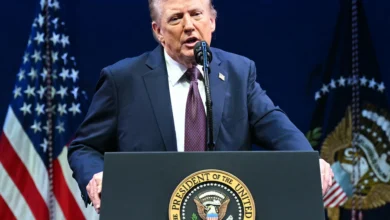
Axios reported that President Donald Trump removed National Cyber Director Sean Cairncross and appointed Kirsten Davies, who previously served as the Pentagon’s chief information officer, to replace him. The report said Davies has more experience in the field than Cairncross, a former Republican National Committee official.
The report concluded that governments and businesses need a clear understanding of what AI can do and where their cyber defenses stand before they can prevent outages in essential systems such as banking, power, and water.