Sudan’s military and the future of civilian rule amid disputes over legitimacy and stability
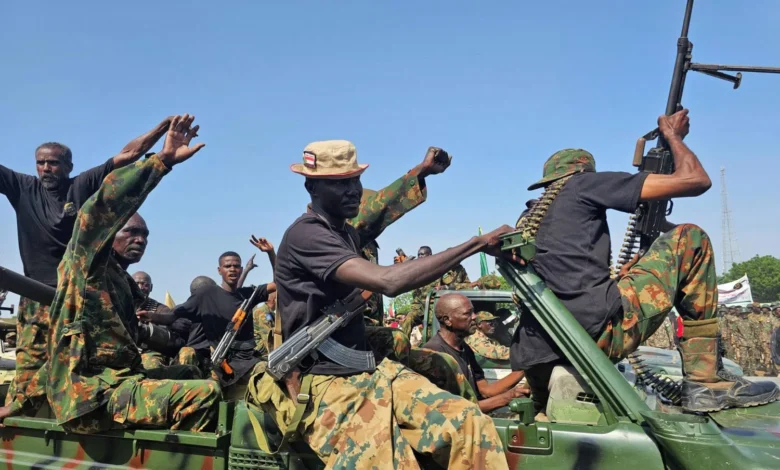
The debate over the future of Sudan’s army leadership raises fundamental questions about the relationship between the military and civilian authorities once the conflict ends. Sudanese political circles are divided. Some see the withdrawal of the current military leadership from politics as a prerequisite for building a civilian democratic state. Others warn that challenging the army’s leadership in wartime could cause the military to fracture and bring down what remains of the state apparatus.
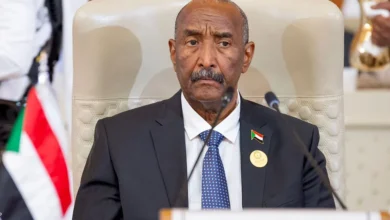
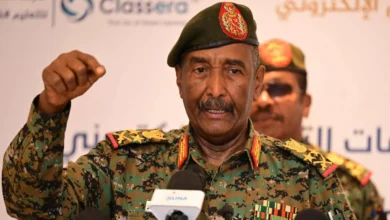
In statements issued by coordinating bodies of resistance committees and civilian coalitions, civilian groups and advocates of General Abdel Fattah al-Burhan’s resignation point to Sudan’s previous attempts at managing a transition. They argue that those experiences showed how difficult it is to achieve a genuine democratic transition while the military controls the main centers of decision-making. Supporters of this position say the only way to restore international confidence and end Sudan’s isolation is for the military to withdraw from politics and the economy and for an independent government of civilian specialists to take office.
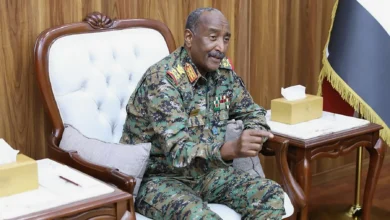
Analysts close to the military and regional observers, meanwhile, describe the Sudanese army as the backbone of the state. They argue that media campaigns targeting its leadership at the height of the fighting serve agendas aimed at weakening the country’s internal cohesion. They note that al-Burhan has repeatedly pledged that the military will hand power to an elected or consensus-based civilian government once military operations end and security is restored. In their view, current calls for him to step down lack a viable alternative capable of filling the resulting security and administrative vacuum.
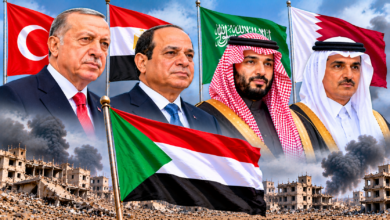
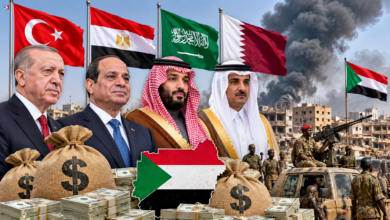
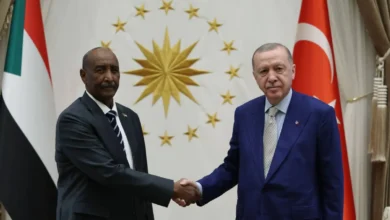
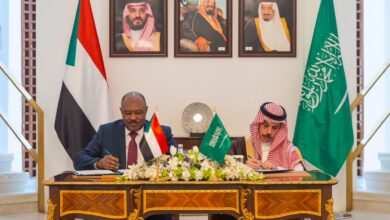
The positions of regional and international powers also factor into the debate. Diplomatic reports point to differences over how to engage with the current leadership in Port Sudan. Some actors favor diplomatic pressure to accelerate negotiations and establish civilian authority. Others take a pragmatic view, seeing the army leadership as an indispensable party to any security arrangements or ceasefire agreements.