From the front lines to online protest, is Sudan’s al-Burhan losing public support?
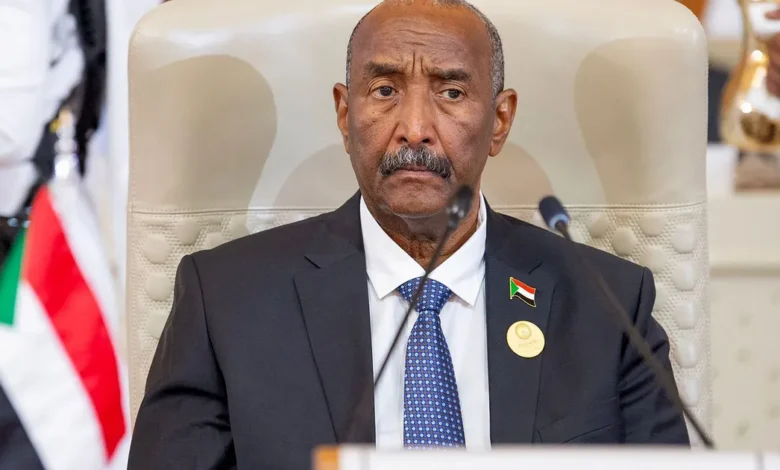
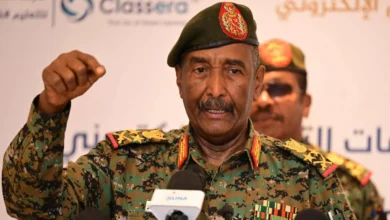
When war broke out in April 2023, many in Sudan’s military leadership expected the threat to the state to bring the public and the armed forces closer together. The worsening conflict and humanitarian crisis have instead fueled a new wave of dissent. Rallying around the slogan “Enough, al-Burhan!”, protesters are demanding that the army chief step down and that the country rethink how it is governed.
Relations between the Sudanese public and the military have long been complicated. Since the December 2018 revolution that led to the fall of former President Omar al-Bashir, those relations have shifted between mistrust and wary anticipation, at times spilling into confrontations in the streets.
From rallying behind the army to demanding accountability
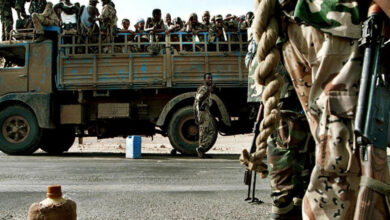
In the first months of the war, Sudan’s army enjoyed broad public sympathy in several states. That support was fueled in part by grave abuses against civilians in Khartoum, Darfur and elsewhere, documented by international human rights organizations.
Observers say that initial support did not translate into a political vision or an economic rescue plan capable of easing the hardship facing ordinary Sudanese. Over time, difficult questions came to the fore. When will the war end? Who is responsible for the breakdown in public administration and finances? Why have authorities failed to address persistent problems with water, electricity, health care and education?
Sudanese journalists and analysts say discontent has spread beyond established revolutionary groups and parties opposed to military rule. It now reaches people once seen as supportive of the army, including displaced families who have lost their property and workers facing extreme poverty. In their view, the slogan “Enough, al-Burhan!” signals a loss of faith in current policies and a demand for accountability from those who hold decision-making power in Port Sudan, the temporary administrative capital.
The government’s handling of the crisis comes under scrutiny
Criticism of Gen. Abdel Fattah al-Burhan’s leadership centers first on the government’s economic and administrative record. According to local economic reports, Sudan’s currency has lost much of its value, sending prices for essentials, fuel and medicines soaring. Critics accuse the authorities of failing to regulate markets and tackle corruption in public administration. They argue that the demands of the war cannot justify leaving people to cope with soaring prices and the loss of essential services.
Political activists also sharply criticize the handling of military and political alliances. They warn that relying on armed groups and former rebel movements to fight alongside the army could leave a security landscape that is difficult to manage and threaten the cohesion of the military itself. They also argue that hesitation over regional and international ceasefire initiatives has prolonged civilian suffering without producing a decisive outcome on the battlefield.
The army’s allies cite exceptional circumstances and alleged outside interference
People close to the military leadership reject those accusations. They portray the campaigns calling for al-Burhan to step down as attempts to weaken cohesion at home and advance the interests of the state’s adversaries. Government officials and commentators aligned with the military say Sudan faces circumstances unprecedented in its recent history. They contend that state institutions and infrastructure are being systematically targeted and that the overriding priority is to restore security and stability and drive attacking forces out of towns and villages.
Al-Burhan’s defenders say the military leadership has shown flexibility on several occasions, including by taking part in the Jeddah talks and putting forward proposals for the postwar period. They blame the failure to reach peace on the other side’s refusal to compromise and its failure to honor signed agreements. They also warn that removing the military leadership at this stage could plunge Sudan into widespread chaos and collapse, a fate they say other countries in the region have experienced.
What is the political alternative?
As demands for immediate change collide with fears of a security vacuum, Sudan analysts are asking what would follow if the current leadership stepped down. Sudan’s civilian political groups remain deeply divided over their stance on the war, how to form a civilian government, and what relationship it should have with the military.
Political scientists say the absence of a united civilian front with a clear, workable program gives the military leadership more room to maneuver. It also makes some Sudanese reluctant to join large-scale street protests because they are uncertain about what would follow. Even so, these experts consider the status quo unsustainable. They expect mounting public anger to reshape the balance of power, whether through a comprehensive political settlement or unexpected changes within the country.
Public mobilization remains a decisive force
Sudan’s history shows that popular mobilization remains a decisive force in politics despite the pressures it faces. The message many Sudanese are sending today is that legitimacy comes from protecting people and enabling them to live with dignity. Control of the institutions of power alone cannot confer it.
Growing calls for the army chief to step down, alongside mounting public criticism, place a historic responsibility on all sides. An inclusive Sudanese dialogue could stop the bloodshed and lay the groundwork for rebuilding the state on firm civilian and democratic foundations. If that opportunity is missed, further political and economic decline could exact a heavy toll for years to come.