Egypt’s southern border and the struggle for influence in Sudan
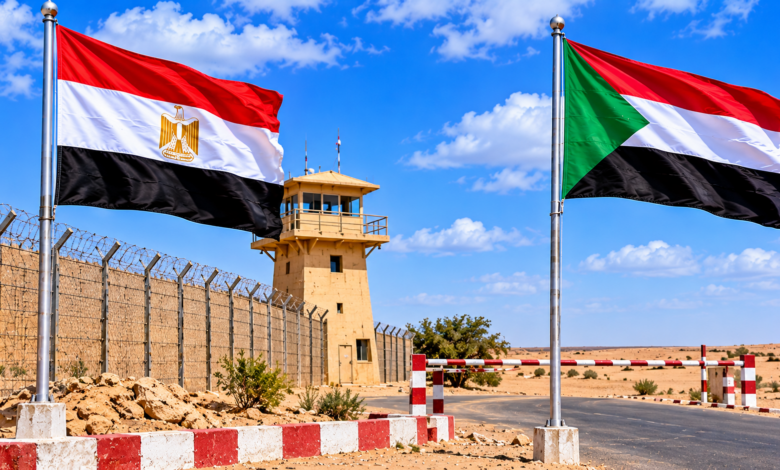
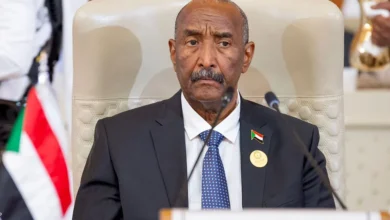
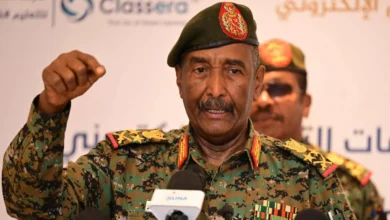
Since fighting broke out in April 2023, Sudan’s domestic crisis has become increasingly entangled with regional and international rivalries. Egypt’s role is sharply contested. Critics of the Sudanese army accuse Cairo of backing General Abdel Fattah al-Burhan and helping prolong the war. Egyptian officials and sources close to Sudan’s government say Cairo is trying to preserve the Sudanese state and prevent its institutions from collapsing.
The historical and geographic ties between Cairo and Khartoum make the war a direct national security concern for Egypt. Those ties also explain why Egypt’s involvement has drawn such scrutiny in political and media circles. Egyptian diplomatic and security sources, along with sources close to the Sudanese government in Port Sudan, say Cairo’s policy is grounded in preserving the state. They reject suggestions that it is pursuing territorial expansion or making covert deals.
The historical and security concerns behind Egypt’s policy
Regional think tanks, including the Al-Ahram Center for Political and Strategic Studies, say Cairo regards Sudan as strategically vital and sees a security vacuum or the breakup of the country as a threat to Egypt itself. From Cairo’s perspective, a stable Sudan with a unified regular army is essential to securing Egypt’s southern border, which stretches for more than 1,200 kilometers. Egypt’s interests in the waters of the Nile and in the Red Sea also shape its position.
Media outlets and analysts aligned with the Rapid Support Forces (RSF) or with civilian political groups opposed to the war offer a different account. In repeated public statements and releases on official channels, RSF leaders have accused Cairo of providing direct military, logistical and intelligence support to the Sudanese Armed Forces. They argue that this assistance is a major factor in prolonging the war and diminishing prospects for a comprehensive political settlement. In their view, backing one side undermines Egypt’s ability to mediate impartially and makes it an indirect party to the conflict.
What support has Egypt provided to al-Burhan?
Reports differ on the scale and nature of Egyptian assistance to the military leadership based in Port Sudan. In its public statements, Egypt’s Foreign Ministry emphasizes humanitarian relief and the country’s reception of hundreds of thousands of people fleeing the war. It also points to diplomatic efforts to secure a ceasefire, including hosting a conference of Sudanese political and civilian groups in Cairo and taking an active part in regional and international talks.
Investigative reports by Western news outlets, including The Wall Street Journal and The New York Times, have cited diplomatic and intelligence sources as describing close military and intelligence cooperation between the Egyptian and Sudanese armed forces. According to those reports, the assistance includes intelligence sharing, help with logistics and supply, and training for military personnel. It also reportedly includes sustained diplomatic efforts to bolster the legitimacy of the al-Burhan-led Transitional Sovereignty Council in regional and international forums.
Egyptian and Sudanese authorities categorically deny that Egyptian forces have taken a direct part in combat operations inside Sudan. Sudanese government officials in Port Sudan describe the military relationship as a longstanding and ordinary one between neighboring countries. They say existing cooperation falls under bilateral agreements and efforts to combat terrorism and secure the border. They deny any interference in Sudan’s sovereign decision-making or any Egyptian participation in the fighting.
The debate over Egypt’s role in prolonging the war
Some Sudanese groups regularly accuse Cairo of giving al-Burhan a political and military lifeline that has helped prolong the conflict. His critics say that support has encouraged him to harden his negotiating position and reject proposals that fall short of the army’s demands. Those demands include implementing the Jeddah Declaration and requiring the RSF to withdraw from cities and civilian homes before any discussion of a permanent ceasefire.
Diplomats and observers of African affairs point to deep divisions within Sudan and competing interests among multiple regional and international actors as factors in the protracted war. Analyses published by organizations such as the International Crisis Group suggest that Cairo fears the Sudanese state could collapse entirely or that militias and other armed groups could gain free rein. Either outcome could force millions more people to flee north and threaten shipping in the Red Sea.
According to those analyses, Cairo favors a settlement that preserves Sudan’s state institutions, an objective it shares with the Sudanese army leadership. That overlap does not necessarily mean Egypt wants a war that is taking a toll across the region to continue.
Land in exchange for weapons? Allegations without tangible evidence
Among the most contentious claims circulating online are allegations, promoted by some platforms and pro-RSF accounts, of secret deals to cede Sudanese territory or grant strategic territorial and economic concessions in northern Sudan or along the Red Sea coast in exchange for weapons and military support.
No tangible evidence or official documents substantiate claims that Sudanese land has been sold. Sudan’s government in Port Sudan, through its foreign affairs and information ministries, denied the reports outright. It described them as “malicious rumors” and “psychological warfare” aimed at undermining social cohesion, inflaming hostility between Sudanese and Egyptians, and diverting attention from abuses in conflict zones.
Egyptian official sources have repeatedly denied that Egypt harbors territorial ambitions in Sudan and reaffirmed Cairo’s commitment to the country’s unity, territorial integrity and sovereignty. Experts in international law and international relations say the border dispute between Egypt and Sudan, including the Halaib and Shalateen triangle, is longstanding and rooted in well-established legal and historical considerations. They say the current war has brought neither a change nor a bargain on that issue. In their view, circulating such claims in wartime is a familiar propaganda tactic meant to undermine an opponent’s legitimacy at home by exploiting the sensitivity of land and sovereignty among Sudanese citizens.