Social media as an arena for political conflict in Sudan: How mobilization and influence work
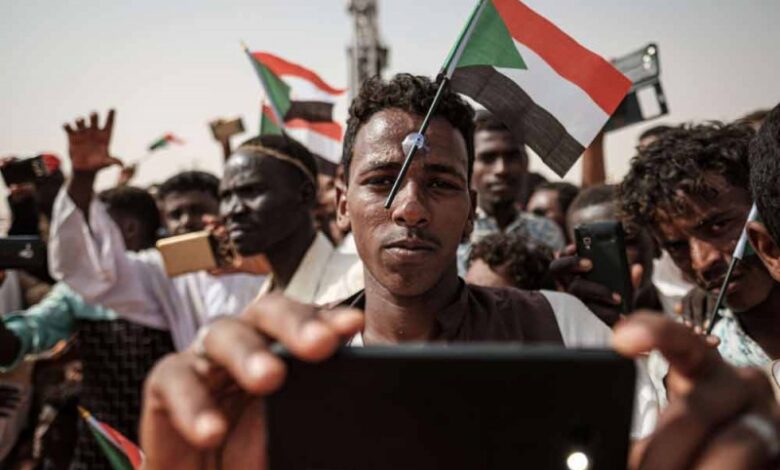
In Sudan, social media platforms have become a major arena for political confrontation and information warfare among the parties to the conflict. Alongside their role in communication and news dissemination, they now play a central part in the contest for public opinion. Studies of digital media show that hashtag campaigns such as #ikhtanayaburhan (“Leave us alone, al-Burhan”) are shaped by a complex interplay between spontaneous grassroots mobilization and coordinated messaging.
Digital data analysts say the spread of the hashtag illustrates how Sudanese activists at home and abroad can rally around shared messages despite restrictions on freedom of expression and repeated communications shutdowns. They emphasize the central role of the Sudanese diaspora in keeping Sudanese issues visible on global platforms, generating public and media pressure on decision-makers.
Researchers who study cybersecurity and disinformation caution that, during conflicts, rival parties often make extensive use of fake accounts and coordinated troll networks to amplify certain narratives or discredit political opponents. According to these researchers, much of the online engagement reflects genuine anger and legitimate demands from people affected by the war. Other actors, however, may exploit these surges in activity to settle political scores or divert attention from abuses in conflict zones.
Media specialists urge methodological caution when treating social media activity as the sole measure of public opinion. Large segments of the population in rural areas and conflict zones face internet and power outages. Their voices are therefore absent from the online debate even though they are among those hardest hit by the crisis.