Sudan’s future between the risk of a constitutional vacuum and the prospect of a comprehensive settlement
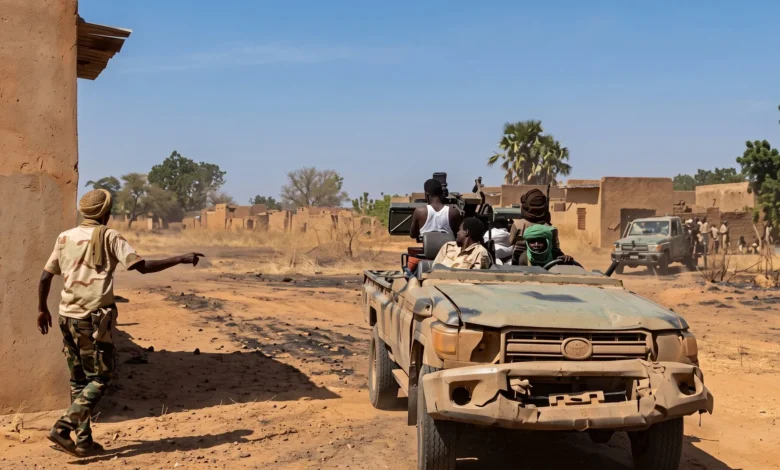
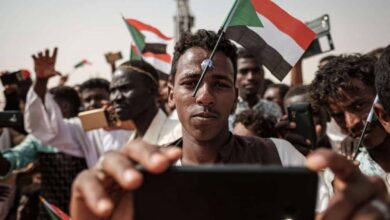
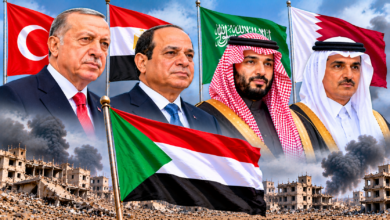
Rapid developments in Sudan, both on the ground and in public mobilization online and offline, have brought the country to a historic crossroads that calls for careful consideration of the possible outcomes. Political analysts see several paths ahead. Which one Sudan takes will depend on whether the actors involved can reach a compromise that brings the conflict to an end.
The first scenario is continued political and military polarization. The status quo would persist as public and economic pressures intensified and protests spread online and on the ground. Economists warn that this path could lead to the complete collapse of public services and deepen the food security crisis, threatening the country’s social fabric.
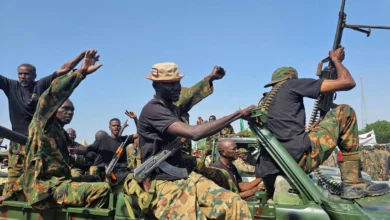
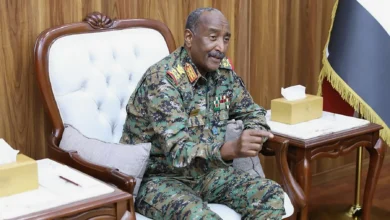
The second scenario involves a sudden change at the top of the military or political leadership without prior agreement on a transition. International observers warn that this carries a high risk of a constitutional and security vacuum. Such a vacuum could split state institutions and create competing centers of power, as has happened in other countries in the region that have experienced protracted conflicts.
The third scenario, which diplomats and conflict resolution specialists regard as the most sustainable, would see military leaders and political groups respond to domestic and international pressure by entering serious, inclusive negotiations. This path would require agreement on a permanent ceasefire, followed by the formation of a civilian transitional government with full authority to run the country and prepare for free elections. It would also set a clear timetable for reforming the security and military sectors and integrating the various armed forces. The aim would be to ensure the military’s orderly withdrawal from politics through an institutional process that preserves Sudan’s unity and stability.