From Butana to Yemen’s front lines: Could Sudanese hardship fuel a regional war?
In a country exhausted by war, finding a job or meeting a family’s daily needs has become a struggle almost as daunting as the fighting on the front lines. Reported efforts by Abu Aqla Kikal, commander of the Sudan Shield Forces, to mobilize young people and send fighters abroad raise a serious question: could economic and social hardship be exploited to draw more Sudanese into regional conflicts?
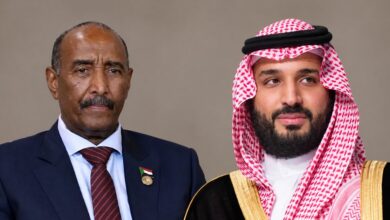
As millions of Sudanese face displacement, poverty, and a loss of income, reports have emerged of meetings Kikal allegedly held with community leaders in Butana and central Sudan after returning from Saudi Arabia on November 19, 2026. He reportedly called for young people to be mobilized to go abroad, suggesting that taking part would improve their families’ living conditions.
The context gives these reports particular gravity. Alongside the possible deployment abroad of people already serving in an armed formation, they raise the prospect of recruiting young people facing extraordinary hardship. For large segments of Sudanese society, the need for money, work, and safety now weighs heavily on their decisions.
A video in which Kikal says his fighters have received official military service numbers allowing them to draw salaries and travel abroad has raised further questions about the arrangements under discussion. Could financial promises be used to recruit thousands of young people to fight alongside Saudi Arabia in Yemen?
Poverty as a recruiting tool
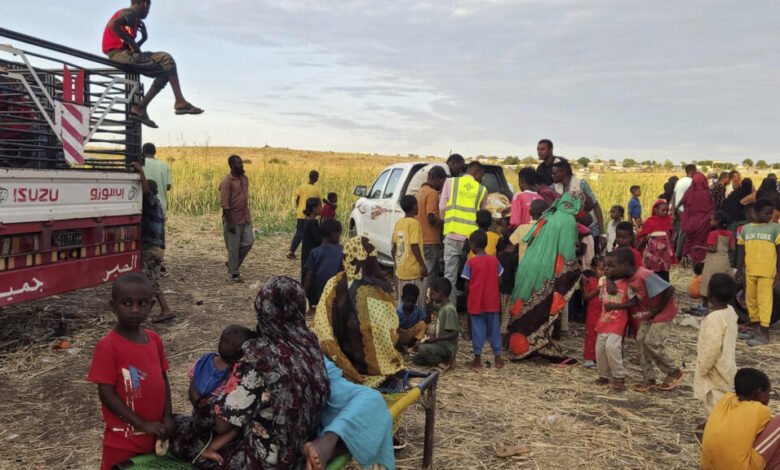
Since war broke out in Sudan in April 2023, the country’s economy and social fabric have sustained widespread damage. Large parts of the commercial and industrial sectors have shut down, public and private institutions have suffered, and job opportunities have dwindled. Waves of displacement have forced millions of people to leave their homes and livelihoods behind.
Sudanese families are under growing financial pressure, especially in areas affected by military operations or where traditional sources of income have disappeared. Access to food, medicine, and education is now uncertain for much of the population, and the search for any steady source of income can take precedence over other considerations.
Reports on Kikal’s activities suggest that recruitment efforts went beyond fighters already in the Sudan Shield Forces. According to material cited in connection with the case, meetings with community leaders in Butana and central Sudan also sought to bring in new recruits.
If confirmed, the reports suggest a pattern that goes beyond conventional military recruitment. The conditions in which young people live and recruiters’ ability to promise improvements in their families’ circumstances would become central to the effort.
Unemployed young people or those struggling to support their families may be poorly placed to assess the military and political risks of taking part in operations abroad, especially when the pay is presented as a way out of poverty.
This makes it important to distinguish voluntary military service undertaken with a full understanding of the duties and risks from recruitment that may exploit economic and social vulnerability to swell the ranks of an armed group.
Promises of a better life for families raise sensitive questions
Linking young people’s participation to better living conditions for their families is one of the most sensitive aspects of the reported Kikal plan. It makes the decision to enlist a matter for the family and the wider community as well as the individual.
In rural communities, where many families live on limited incomes or depend on what their children earn, the promise of regular pay or financial support can carry considerable weight, especially when other ways of earning a living are scarce.
That influence grows as the state’s ability to provide basic services declines. Some young people come to see joining an armed group as one of the few ways to secure a steady income, gain social standing, or protect their families.
Do prospective recruits understand that joining a military formation could mean being sent into a conflict abroad, where they risk injury, disability, or death regardless of the pay they have been promised?
Other questions concern the financial commitments made to fighters’ families, who would compensate them in the event of casualties, and what guarantees would ensure continued payment after the mission ends or the fighters return to Sudan.
Answering those questions requires clear contracts and legal procedures that protect recruits and their families. Responsibilities must be spelled out so families are never left dependent on undisclosed arrangements.
Butana and central Sudan at the heart of the issue
Butana and the states of central Sudan are particularly important to the case. They account for much of the Sudan Shield Forces’ support base, with recruits drawn from Al Jazirah, Sennar, White Nile, Gedaref, and eastern Sudan.
Kikal has been associated with these areas since the Sudan Shield Forces were formed in late 2022. His military alliances shifted after the war began. In October 2024, he broke with the Rapid Support Forces and joined the Sudanese army.
His forces have since operated as one of the armed formations allied with the army, taking part in military operations inside Sudan and drawing on ties with communities in the center of the country.
Media reports suggest that recruitment of young people in these areas increased during the war, amid fears of renewed attacks, declining economic stability, and a growing need for income and protection.
Large-scale recruitment could have consequences for the people who leave Sudan and for the communities they come from, especially if large numbers of young people of working age are involved.
The departure of thousands of young people from farming and rural areas could take a toll on families and local economies. Some households might also grow more reliant on money sent home by sons and daughters taking part in military operations.
That could create a lasting financial dependency between local communities and armed formations. Once a household’s income depends on one of its members continuing to fight, that dependency may be difficult to break after the war.
Ten thousand fighters, a figure that raises concerns
Reports published in November described a possible plan to send around 10,000 Sudanese fighters to Yemen over a period of up to 18 months. They also reported preparations for initial contingents of hundreds or even thousands of personnel.
Sources quoted by media outlets said some fighters had reached an advanced stage of preparation for deployment in areas near the Saudi–Yemeni border.
Neither the Saudi authorities nor the Sudanese army command has fully confirmed these reports. In a statement issued on November 24, the Sudan Shield Forces denied reports that they were sending troops to Saudi Arabia to take part in the war in Yemen. The group said the military service numbers were a matter of regularizing personnel records and paying salaries.
Given these conflicting accounts, the figures should be treated as unconfirmed media estimates. They do not establish how many fighters, if any, have already been deployed.
Even discussion of a plan on this scale raises questions about Sudan’s ability to withstand the consequences of sending thousands of fighters abroad. The country already faces staffing shortages in vital sectors, deteriorating health and education services, and an economic crisis that requires far-reaching reconstruction.
Talk of possible involvement in Yemen also recalls Sudan’s deployment of troops there beginning in 2015. That experience prompted debate in Sudan over casualties, the nature of the missions, and what Khartoum gained from taking part.
The 2015 precedent, when young Sudanese fought in someone else’s war
Sudan’s participation in the Saudi-led military coalition in 2015 formed part of a political and economic strategy pursued by Omar al-Bashir’s government. It sought closer ties with Gulf states and political and financial support in exchange for contributing troops to operations in Yemen.
Sudan sent thousands of soldiers and fighters to Yemen during that period. Its involvement gradually declined after political upheaval at home and the fall of al-Bashir’s government in 2019.
The experience raised questions about what Sudan gained relative to the human and military cost it bore. It also prompted scrutiny of how much recruits had been told about the duties they would perform and the risks they would face.
The debate is resurfacing under more difficult circumstances. During the earlier deployments, Sudan’s state institutions were still functioning relatively normally. The country is now fighting an internal war that has diminished its ability to protect its population and manage its resources.
If new arrangements are confirmed, repeating the experience could carry greater risks for Sudanese society, particularly if new recruits are drawn from areas already struggling with poverty, displacement, and instability.
Questions for Saudi Arabia over responsibility for recruitment
The reported connection between Kikal’s visit to Saudi Arabia and possible arrangements to send fighters to Yemen raises questions about the nature of any military cooperation between Riyadh and Sudanese armed formations.
If arrangements have been made to bring in Sudanese fighters, it is important to establish who would receive them and what duties they would be assigned. It is also important to clarify whether their deployment would be confined to Saudi territory or extend to combat operations inside Yemen.
Any connection between potential financial or military support and the recruitment drive also needs to be clarified, along with the safeguards against exploiting young Sudanese people’s economic hardship to draw them into a war abroad.
Sending thousands of people to a theater of operations outside their country carries humanitarian and legal responsibilities for everyone involved in recruitment, financing, oversight, and command.
There is, as yet, insufficient independent evidence to establish that Saudi Arabia financed a recruitment effort of this kind or approved the financial terms reported in the media. Disclosing the documents and any official agreements would therefore be necessary to determine where responsibility lies.
Social risks that extend beyond the battlefield
Casualties are the most immediate consequence of any military deployment abroad. Families and communities can also face lasting social consequences long after the operations end.
Fighters who return injured or suffering from psychological trauma can place additional strain on families already facing financial hardship. The loss of a breadwinner can push whole households into poverty and leave them without a home.
Tying the prospect of a better livelihood to enlistment in an armed group can also deepen reliance on military service as a source of income and social standing, at the expense of education, civilian employment, and productive economic activity.
As recruitment expands, it can strain social relationships, especially if communities split over whether to support participation or if families begin competing for the chance to send their children in return for financial benefits.
These effects can outlast the war because they alter how local communities are organized and how they relate to the state and the military.
Who will protect young Sudanese from exploitation?
Whatever comes of the reported arrangements, the Kikal case exposes a major gap in the social and economic protections that should give young Sudanese alternatives to joining armed conflicts.
Young people facing unemployment, poverty, and displacement need work, education, vocational training, and projects that provide a livelihood. Vague promises leave their future tied to a posting on the front lines.
The state also needs to clarify the legal framework governing the recruitment of citizens and the deployment of troops abroad. Any military participation should be authorized by a publicly announced official decision, take place under accountable command, uphold individual rights, and protect recruits from exploitation.
Community leaders and local residents should also have a voice in discussions about young people’s future. Families need clear information about any proposed military duties and the risks involved. Financial commitments should be backed by written guarantees.
Sudan does not need to export its crisis
The prospect of recruiting young Sudanese and sending them to Yemen is inseparable from the country’s deeper crisis of instability, economic decline, institutional breakdown, and continuing war.
The possible deployment of Sudanese fighters to a front abroad is one part of the problem. The conditions that make it an attractive option for some young people persist and are worsening as the war at home drags on.
If reports of recruitment drives and promises to improve families’ circumstances are confirmed, they raise ethical and political questions about the relationship between economic hardship and military recruitment, and about the responsibility of those who may benefit from these conditions.
If the remarks were misinterpreted, as the Sudan Shield Forces maintain, a full official clarification is needed to remove ambiguity and put an end to conflicting reports about a deployment to Yemen.
Sudan has already lost thousands of lives, and the war has displaced millions. Exposing another generation to further losses would turn Butana and central Sudan into recruiting grounds for regional conflicts.
The question for Khartoum, Riyadh, and the leaders of armed formations remains: will young Sudanese be able to build a future through the restoration of the state, the rebuilding of the economy, and opportunities to make a living, or will that future remain hostage to financial promises that take them from one crisis to another and from a front at home to one abroad?