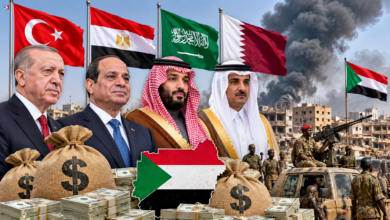
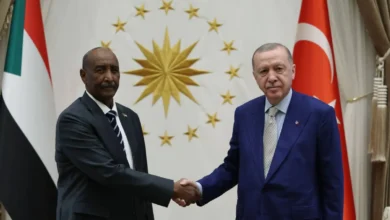
Kikal opens the door to Sudan’s involvement in Yemen’s war at the expense of a war-weary country’s stability
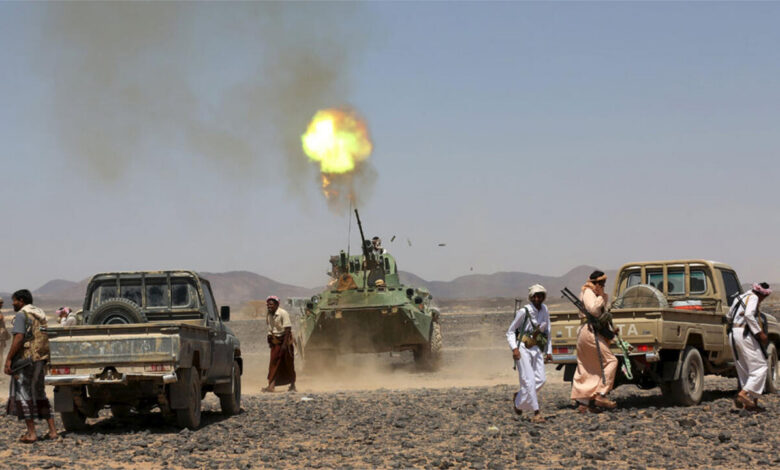
Sudan remains mired in one of the deadliest and most complex wars in its recent history, with millions of its citizens facing severe humanitarian and economic hardship. Against that backdrop, the prospect of sending Sudanese fighters abroad has returned to the center of political and military debate. In controversial remarks, Sudan Shield Forces commander Abu Aqla Kikal spoke of arrangements to send battalions abroad and linked the move to the issuance of official military service numbers that would allow his personnel to draw salaries and undertake missions outside the country.
The remarks circulated in a video on social media days after Kikal returned from Saudi Arabia on November 19, 2026. They prompted widespread questions about the proposed mission, who was behind the arrangements, and where the forces might be sent, amid media reports that Sudanese fighters could take part in military operations linked to the war in Yemen.
Kikal did not specify in the video where his forces would be deployed. Media reports, however, have linked his recent activities to possible arrangements to send fighters to Saudi Arabia and Yemen. The prospect recalls Sudan’s participation in the Saudi-led military coalition in 2015, which drew thousands of Sudanese into the war in Yemen.
Kikal’s remarks raise questions
Kikal went beyond discussing military service numbers and the regularization of his personnel’s administrative status. He explicitly raised the possibility of sending battalions abroad and linked their departure to the issuance of those numbers. According to remarks quoted by Sudan Tribune, the arrangements were being made at the direction of the commander-in-chief of the Sudanese Armed Forces.
That connection raises questions for Sudan’s military establishment that extend beyond the Sudan Shield Forces’ administrative status. Moving armed formations abroad calls for an official explanation of the mission, where it would take place, the chain of command, and the legal basis for the deployment, beyond routine matters of pay and personnel records.
If an overseas military deployment is under consideration, there is a political and legal need to establish who made the decision, who would command the troops, and what duties they would be assigned. Those questions require official answers amid leaks and conflicting interpretations.
The issue is especially sensitive because Sudan has been at war since April 2023. The country needs to rebuild its military and security institutions and unify military decision-making. Opening new fronts or entering into arrangements abroad could leave Sudan with regional commitments whose consequences would be difficult to control.
Saudi Arabia at the center of the reports
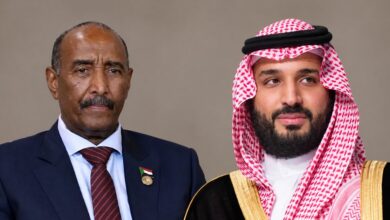
The timing of Kikal’s remarks, days after his visit to Saudi Arabia, added political weight to the reports. They described possible understandings between Sudanese military leaders and Saudi counterparts on the use of Sudanese fighters in military and security arrangements related to Yemen.
Media reports described a plan that could involve up to 10,000 fighters over 18 months, with an initial contingent of about 2,000 personnel. Other reports cited military sources claiming that hundreds of fighters were preparing to deploy near the Saudi–Yemeni border.
The figures still need independent verification. Neither Saudi Arabia nor Sudan has issued an official announcement confirming the details of an agreement on that scale or establishing the precise nature of the proposed military mission.
In a statement carried by media outlets on November 24, the Sudan Shield Forces denied that any official decision had been made to send their battalions to Saudi Arabia or Yemen. They said their commander’s remarks referred to issuing military service numbers and arranging salary payments. According to the statement, the remarks did not concern any announced decision on an overseas mission.
In comments published on November 25, the group’s official spokesperson said troop movements and deployment destinations were matters for the army command. Kikal, the spokesperson said, had no independent authority to make such a decision.
These divergent accounts make it important to distinguish what Kikal said in the video, what the media reported, and what the Sudan Shield Forces leadership announced. The questions raised by his remarks remain, as does the need for an official explanation of what may happen to the Sudanese fighters.
From Sudan’s war to Yemen’s front lines
The most troubling aspect of a possible deployment abroad is its timing. Sudan still urgently needs all its personnel and military resources to end the war and restore stability.
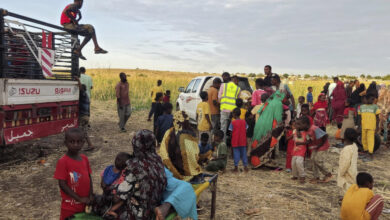
With basic services failing across much of the country, millions displaced, and economic activity in decline, Sudan can scarcely afford to move military personnel between conflicts in response to political calculations or understandings with outside parties.
If reports that thousands of fighters are to be sent to Yemen are confirmed, the move would raise a fundamental question about Sudan’s military priorities. Should its personnel defend Sudanese territory and help end the war at home, or take part in a conflict abroad while the state still struggles to provide its citizens with basic security?
The potential loss of personnel is one concern. An overseas deployment could also complicate Sudan’s military situation, particularly if it involved members of armed formations with different loyalties and operational histories, without clear rules ensuring that they remain fully subordinate to the national military.
Alongside confronting armed groups, Sudan faces the task of rebuilding a unified army subject to state authority and the law. Its units must remain accountable to that authority amid competing centers of influence and cross-border political arrangements.
The precedent of 2015
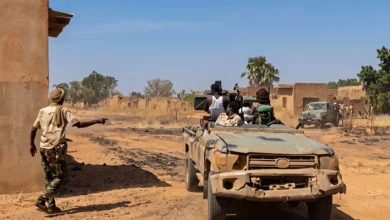
The prospect of Sudanese forces taking part in the war in Yemen again recalls the deployment that began in 2015, when Sudan joined the Saudi-led coalition and sent thousands of soldiers and fighters to Yemen.
Political, military, and economic considerations shaped that decision. Omar al-Bashir’s government sought closer ties with Gulf states and political and economic support in exchange for a military contribution to the coalition.
Over the years, the deployment became the subject of extensive debate in Sudan, especially after al-Bashir’s government fell in 2019. Questions centered on the number of casualties, the missions performed by the fighters, and who benefited from their participation.
The developments surrounding Kikal raise those questions again under more difficult circumstances. Open warfare, military divisions, and an unprecedented humanitarian crisis have disrupted the normal functioning of Sudan’s military and economic institutions.
If a new decision to send fighters to Yemen is confirmed, it would revive the earlier deployment and could widen Sudan’s military commitments at a time when the country needs to concentrate its efforts at home.
Recruiting young people under economic pressure
One aspect of the case that merits particular scrutiny is the reports that Kikal met community leaders in Butana and central Sudan after returning from Saudi Arabia. He reportedly called for young people to be mobilized to travel abroad and suggested that their participation would improve their families’ living conditions.
That account places economic hardship at the center of the alleged recruitment drive. It raises questions about whether the difficult circumstances young Sudanese face could be exploited to persuade them to join military formations that may be deployed to conflicts outside their country.
In communities affected by unemployment, poverty, and dwindling job opportunities, military pay or the promise of a better financial situation for a family can exert considerable pressure, especially when opportunities to earn a decent civilian living are scarce.
Using those needs to recruit fighters raises ethical and legal questions, particularly if recruits are unaware of the full nature of their duties, where they would be deployed, or the risks they could face.
Tying families’ financial prospects to their children’s participation in military operations abroad can also put local communities in a difficult position. Fighting may become a means of securing income or financial guarantees, even though military service should be a clear decision governed by legal and institutional rules.
The authorities concerned should therefore clarify whether recruitment campaigns have taken place, whether fighters or their families were promised financial support, and what guarantees would cover their rights, salaries, and compensation for their relatives in the event of injury or death.
The risks of sending armed formations into a regional conflict
The potential consequences extend beyond Sudan and Yemen and could affect security across the region, especially if armed formations whose command structures and reporting lines remain unclear become involved.
The fighting in Yemen takes place in a complex environment where local, regional, and international interests overlap. Multiple armed actors are involved, and operations require a thorough understanding of the terrain and the balance of military power.
Any deployment of Sudanese fighters to Yemen should be governed by clear rules covering the mandate, rules of engagement, command authority, and compliance with international humanitarian law. It should also establish who would be accountable for any violations committed during operations.
The involvement of fighters from formations with different combat histories could also raise concerns about patterns of conflict and violence spreading across borders, especially if the movement of personnel and weapons lacks effective institutional oversight.
Reports of funding, military equipment, and training abroad add to these concerns. Independent evidence remains insufficient to establish that an agreement covering those matters exists.
The state’s responsibility for decisions of war and peace
Sudan’s leadership has a responsibility to clarify the nature of any military arrangements abroad. Sending national forces into a foreign conflict is a matter of state authority and cannot rest on an individual decision or undisclosed understandings between armed group leaders and outside parties.
Any sovereign military decision must have a clear constitutional and legal basis. It must specify the objectives, justification, and duration of the deployment, identify who will oversee it, and set out safeguards for the personnel involved and their rights.
The Sudanese public also has a right to know whether there is a plan to send fighters to Yemen and whether their role would be confined to defensive or training duties on Saudi territory or extend to direct combat operations inside Yemen.
That distinction determines the nature of the military and political commitments involved and how deeply Sudan might become entangled in a new regional conflict.
Open questions for Khartoum and Riyadh
Abu Aqla Kikal’s remarks have brought the deployment of Sudanese fighters abroad back into public debate. They have raised questions about any understandings with Saudi Arabia, the number of troops who might be moved, and who would have the authority to make that decision.
With reports of a plan to send thousands of fighters and a denial from the Sudan Shield Forces, official clarification is still needed. The published reports have yet to provide sufficient independent evidence to establish the details of the alleged agreement.
Sudan faces a difficult test over the future of its military and the limits of its commitments abroad. The country needs to end the war and rebuild the state. The prospect of sending fighters to the Yemeni front raises fears that it could again expend its human resources on regional conflicts with no direct bearing on the security of Sudanese citizens.
The central question remains. Will young Sudanese, still waiting for a state capable of protecting them and offering them a secure future, become cannon fodder on a new front abroad? Or will Sudan’s leaders end the speculation, explain what is happening, and reaffirm that their forces’ priority is to end the war and protect Sudan?
In a country exhausted by war, rebuilding the state must remain the priority. Sending fighters abroad risks diverting Sudan from that task and turning economic hardship into a means of opening new fronts.