Animal rights halt a plan to guard Palestinian detainees with crocodiles
An Israeli court has temporarily suspended efforts led by Minister Itamar Ben Gvir to surround the Ktziot security prison with a water-filled trench containing Nile crocodiles. The decision followed a petition filed by an animal-rights organization, highlighting a controversy in which the protection of animals appears to take precedence over the dignity and rights of Palestinian detainees.
-
Palestinian released prisoners: This is what happened to detainees in Israeli prisons after October 7th
-
Execution of Palestinian prisoners from the West Bank comes into force
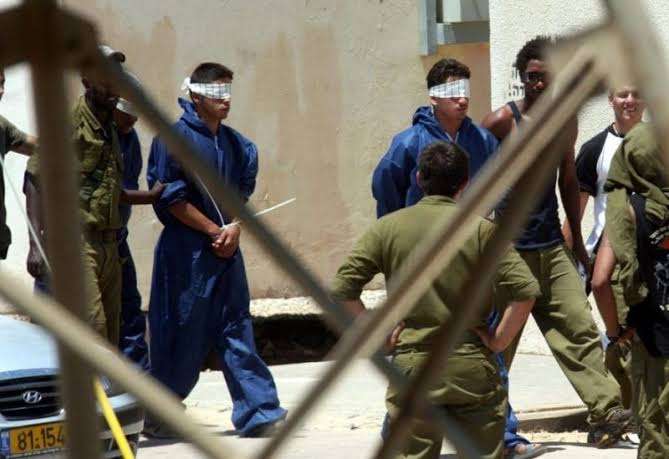
On Sunday, an Israeli court temporarily blocked an unprecedented plan to introduce Nile crocodiles around Ktziot Prison, located in the Negev desert and considered one of Israel’s largest security facilities, housing primarily Palestinian prisoners. The project, promoted by National Security Minister Itamar Ben Gvir, was presented as an additional deterrent against escape attempts.
The Jerusalem District Court issued an injunction preventing the authorities from transferring crocodiles to the prison or proceeding with practical preparations related to the project after an Israeli animal-rights organization petitioned against the use of predatory animals as part of a prison-security system.
-
Israel before the UN: Intense questioning over the torture of Palestinians
-
Faces and memories behind the numbers: Palestinian prisoners in Israeli jails
The court requested that the Israeli authorities submit their response within the coming days, placing the project under legal scrutiny that could determine its future.
The ruling does not permanently cancel the initiative, but it freezes its implementation at a time when preparations had already begun on the ground.
A security prison housing Palestinian detainees
Ktziot Prison, also known as Negev Prison, is located in southern Israel and is one of the country’s largest detention facilities.
-
Massive destruction as thousands of displaced Palestinians return to Gaza
-
Palestinian prisoners and Gaza hostages: preparations for the final exchange
The project concerns not an ordinary criminal prison, but a facility primarily designated for Palestinians classified by Israel as “security prisoners,” including detainees from the West Bank and the Gaza Strip, members of various Palestinian factions, and administrative detainees held without trial for renewable periods.
Since the outbreak of the war in Gaza, the prison has become increasingly prominent within Israel’s security landscape as large numbers of Palestinian detainees have been transferred there.
This context has transformed the crocodile project from a technical discussion about prison security into a political and legal controversy, with critics arguing that selecting a prison that specifically houses Palestinians gives the initiative a symbolic and political dimension.
-
Rare Acknowledgment: Israeli Court Orders Government to Stop Starving Palestinian Prisoners
-
The Forgotten Front: Israel’s Parallel War on Palestinian Citizens Inside Israel
Ben Gvir‘s plan: a moat filled with Nile crocodiles
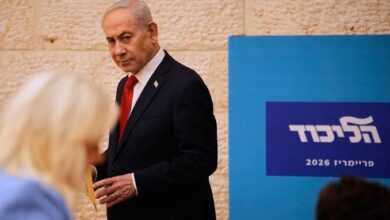
Israeli National Security Minister Itamar Ben Gvir proposed building a water-filled trench around one section of Ktziot Prison and placing Nile crocodiles inside it to prevent escape attempts.
Supporters of the minister linked the proposal to the need for stricter security measures following the escape of six Palestinian prisoners from Gilboa Prison in 2021, an incident that severely embarrassed the Israeli Prison Service and exposed serious security shortcomings.
Critics, however, argue that the plan is more theatrical than practical, emphasizing that crocodiles kept in captivity cannot realistically serve as an alternative security system.
-
From Sde Teiman to Ofer and Antout Shocking Testimonies from Gaza Detainees
-
“Humiliation and mistreatment” of Palestinian prisoners: a “routine exercise” in Israeli prisons
The proposal quickly moved beyond the realm of political rhetoric. Israeli media reports indicated that preparatory work had already begun around the prison.
According to those reports, construction included digging a canal approximately 170 meters long and building facilities designed to house and monitor the crocodiles.
The project envisioned an initial trial phase before any broader implementation, along with procedures intended to ensure the safety of prison staff and proper control of the animals.
The budget allocated to the initiative reportedly amounted to approximately 21 million shekels, equivalent to several million dollars.
-
Amid Fire and Destruction, Palestinian Children Pay the Price of War’s Horrors and Seek Food
-
Palestinian Prisoners in Israeli Jails… Gaza Raises the Number and Intensifies the Suffering
Animal-rights concerns bring the project to a halt
From the outset, the plan faced legal obstacles, as Nile crocodiles are classified in Israel as protected wildlife, subject to strict restrictions regarding their possession and use.
To facilitate the project, the Israeli Ministry of Environmental Protection reportedly sought to modify the legal framework governing these animals in order to allow their use under specific conditions.
However, the move sparked objections from official bodies, including the Israel Nature and Parks Authority, as well as legal and environmental experts.
-
A draft law proposing the execution of Palestinian prisoners ignites controversy in the Knesset… What is the connection to those detained by Hamas?
-
Release of detainees and arrests continues… Israeli approach to pressure the prisoners’ file
Opponents argued that changing the crocodiles’ legal classification does not eliminate the risks associated with introducing predatory animals into a security facility, nor does it address concerns related to human safety and animal welfare.
The organization “Let the Animals Live” filed a petition against the project, arguing that the use of crocodiles as part of a security system would set an unacceptable precedent.
Critics also warned about potential risks to animal welfare, as well as the possibility of accidents or a loss of control over the reptiles.
Experts further emphasized that Nile crocodiles are among the most dangerous crocodile species in the world and that keeping them in an artificial environment requires extremely strict safety measures.
-
Violations and crimes by Hamas against Palestinians
-
Crimes of Hamas against Palestinians: A history of bloodshed
Domestic debate: deterrence or political spectacle?
Ben Gvir‘s supporters defend the initiative as a necessary measure to strengthen prison security, arguing that criticism overlooks the need for effective deterrence.
Opponents, by contrast, see the plan as a populist gesture driven more by political symbolism than by genuine security concerns.
Critics accuse Ben Gvir, who is known for his hard-line positions toward Palestinian prisoners, of using the issue to reinforce his political image as one of the leading advocates of stricter prison policies.
Israeli media outlets have linked Ben Gvir‘s proposal to a migrant detention facility in the U.S. state of Florida, built in an area inhabited by crocodiles.
-
Gaza Administration Committee Concludes Two Days of Constructive Meetings in Cyprus
-
Gaza without hostages… Israel searches for answers for the day after
Although those animals are not officially part of the facility’s security system, the comparison sparked widespread debate in the United States before reaching Israel.
Following Sunday’s court decision, the so-called “crocodile prison” project remains suspended pending the Israeli government’s response and a final judicial ruling on the objections raised.
While the Ministry of National Security presents the initiative as a new deterrence mechanism, critics argue that it combines a controversial political message with significant legal and environmental risks, making it one of the most unconventional projects ever proposed within the Israeli prison system.
According to its critics, the very reasons behind the project’s suspension reveal the priorities of the Israeli political mindset: animals first, crocodiles second, while Palestinian human rights appear to have no place among its moral considerations.
-
Israel issues first evacuation order in Gaza since the ceasefire
-
Hundreds of casualties since the ceasefire: new toll of deaths from the Gaza war