Can non-organic fruits and vegetables increase the risk of lung cancer? A critical analysis of scientific evidence and risk factors
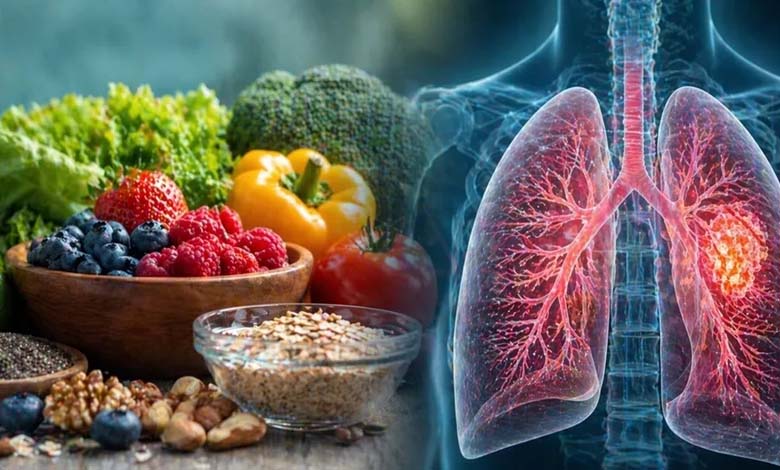
Fruits and vegetables play a central role in nutritional recommendations due to their richness in vitamins, minerals, fiber, and antioxidant compounds. However, questions have emerged regarding their production methods, particularly when they are not organically grown, and their potential impact on health. Among the concerns raised is the possible risk of lung cancer. This hypothesis requires careful examination to distinguish scientific evidence from perception.
-
5 Easy Ways to Increase Fiber in Your Diet
-
Could natural food colorings increase the risk of diabetes and cancer?
Understanding non-organic produce
Non-organic fruits and vegetables are grown using conventional agricultural practices, which may include the use of pesticides, chemical fertilizers, and other inputs.
These substances are regulated, and their use is controlled to minimize risks to human health.
Pesticide residues: exposure and regulation
Pesticides used in agriculture may leave residues on food products. However, these residues are generally present at levels below the maximum limits set by health authorities.
These limits are established based on toxicological assessments designed to ensure acceptable safety levels.
-
Can ultra-processed foods increase the risk of cognitive decline? Understanding mechanisms and implications for brain health
-
Do high summer temperatures increase the risk of kidney stones?
Link between pesticides and lung cancer
Some studies have explored associations between exposure to certain pesticides and cancer risk, particularly in occupational settings where exposure levels are high.
However, evidence related to typical dietary exposure remains limited and does not establish a direct and consistent link with lung cancer.
Major risk factors for lung cancer
The primary risk factor for lung cancer remains tobacco use. Other factors include air pollution, occupational exposure to certain substances, and genetic predisposition.
In this context, the potential impact of dietary residues appears secondary compared to these major determinants.
-
Five simple ways to increase fiber intake in your diet
-
How to Increase Fiber Intake Without Experiencing Bloating
Benefits of fruit and vegetable consumption
Numerous studies show that regular consumption of fruits and vegetables is associated with a reduced risk of various chronic diseases, including certain cancers.
Their antioxidant compounds help protect cells from oxidative damage.
Organic versus conventional produce
Organic products generally contain fewer pesticide residues, but differences in nutritional value vary across studies.
The choice between organic and conventional produce depends on multiple factors, including economic and environmental considerations.
-
Low-carbohydrate diets may increase the risk of heart disease: scientific explanation
-
Processed foods may increase the risk of cancer and diabetes
Importance of washing and preparation
Washing fruits and vegetables helps reduce surface residues. Other practices, such as peeling, can further decrease exposure.
These simple steps contribute to food safety.
Risk perception versus scientific evidence
Perceptions of risk associated with non-organic produce may be influenced by environmental and health concerns. However, it is important to rely on robust scientific evidence to assess these risks.
A nuanced interpretation is necessary to avoid premature conclusions.
-
Study challenges common belief: meat consumption may increase chances of living to 100
-
Abdominal Fat Increases Risk of Dementia After Menopause
A comprehensive prevention approach
Preventing lung cancer primarily involves reducing major risk factors such as smoking and exposure to pollution.
Diet plays a complementary role in maintaining overall health.
Accessibility and public health
Encouraging the consumption of fruits and vegetables, whether organic or not, remains a public health priority. Reducing intake due to fear of residues could have negative health consequences.
It is essential to promote a plant-rich diet accessible to all.
-
Meat does not increase Cancer risk as commonly believed
-
5 servings of fruits and vegetables every day to be healthy
Limitations of current knowledge
Research on the long-term effects of low-level pesticide exposure is ongoing. Current findings do not support a direct link between consumption of non-organic produce and lung cancer.
Further studies are needed to clarify these issues.
The hypothesis that non-organic fruits and vegetables increase the risk of lung cancer is not supported by strong scientific evidence in the context of normal consumption.
On the contrary, consuming fruits and vegetables, regardless of their origin, remains a key component of a balanced diet and an overall strategy for disease prevention.
-
Hoarseness of Voice: A Possible Early Warning Sign of Certain Cancers
-
A study warns: younger generations may be more vulnerable to diseases at an earlier age