Sesame seeds: natural support for gut health, bones, and cardiovascular wellness
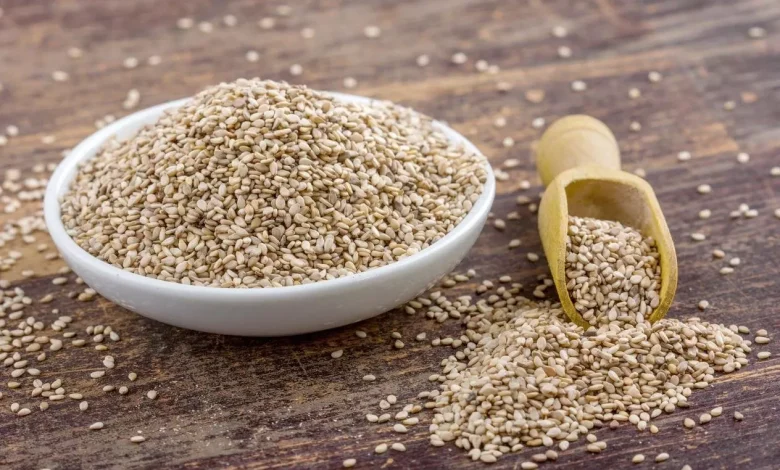
Used for thousands of years in various culinary and medicinal traditions, sesame seeds now hold an important place in modern nutrition. Small in size yet exceptionally rich in nutrients, they are valued for their high content of minerals, fiber, unsaturated fats, and antioxidant compounds. Researchers are increasingly interested in their potential effects on digestive, bone, and cardiovascular health. Although sesame seeds are not a miracle cure, they may contribute to a balanced diet that supports several essential body functions.
An ancient seed with multiple uses
Sesame is among the oldest cultivated plants known to humanity.
Its seeds are widely used in Middle Eastern, Asian, African, and Mediterranean cuisines.
An exceptionally rich nutritional profile
Sesame seeds contain plant proteins, fiber, calcium, magnesium, iron, zinc, and beneficial fatty acids.
They also provide lignans, plant compounds studied for their antioxidant properties.
The role of fiber in intestinal health
Dietary fiber plays a fundamental role in maintaining proper digestive function.
Sesame seeds may help improve intestinal transit and support microbiota balance.
Gut microbiota and overall health
The microbiota refers to the collection of microorganisms living in the intestines.
Its balance influences not only digestion but also immunity and certain metabolic processes.
Potential support against constipation
Because of their fiber content, sesame seeds may help maintain better bowel regularity.
Adequate hydration nevertheless remains essential for optimizing this effect.
Heart-friendly fats
Sesame mainly contains unsaturated fatty acids, including omega-6 fats and certain monounsaturated fats.
These lipids are generally considered more favorable for cardiovascular health than saturated fats.
Potential effects on cholesterol
Some studies suggest that compounds found in sesame may contribute to improving certain lipid parameters.
Lignans and phytosterols may particularly help regulate blood cholesterol levels.
The role of magnesium in blood pressure
Sesame seeds are rich in magnesium, a mineral involved in muscular and vascular function.
Magnesium also contributes to blood pressure regulation.
Calcium and bone health
Sesame is often considered an interesting plant-based source of calcium.
Calcium plays an essential role in bone strength and muscular function.
Importance of vitamin D and physical activity
Although calcium intake is important, bone health also depends on many additional factors.
Vitamin D, reasonable sunlight exposure, and regular physical activity remain essential.
Zinc and immune function
Sesame seeds also provide zinc, an important trace element involved in immune system function.
Zinc also participates in several cellular repair mechanisms.
Antioxidants and cellular aging
The antioxidant compounds found in sesame help combat oxidative stress.
This process is involved in cellular aging and various chronic diseases.
An interesting source of plant protein
Sesame contains plant-based proteins that may complement a varied diet.
It is frequently included in vegetarian or flexitarian eating patterns.
Tahini: a popular sesame preparation
Tahini, or sesame paste, is widely used in several traditional cuisines.
It retains a large portion of the nutrients naturally present in sesame seeds.
Attention to calorie density
Despite their many nutritional benefits, sesame seeds remain relatively calorie-dense.
Moderate consumption fits more easily within a balanced diet.
Risk of allergies
In some individuals, sesame may trigger allergic reactions that can occasionally be severe.
Sesame allergies are increasingly recognized in several countries.
The importance of overall dietary balance
No single food alone can guarantee optimal health.
The benefits of sesame are most significant when included as part of a varied diet and healthy lifestyle.
Conclusion
Thanks to their richness in fiber, minerals, unsaturated fats, and antioxidants, sesame seeds represent a particularly valuable food for supporting digestive, bone, and cardiovascular health. Their potential contribution to microbiota balance, cholesterol regulation, and bone strength explains the growing interest they receive in the field of nutrition.
However, as with all foods, their benefits mainly depend on the overall quality of the diet and lifestyle. Consumed in moderation as part of a balanced eating pattern, sesame may become a valuable ally for long-term health and well-being.