What Happens to Your Blood Pressure When You Eat Spinach Every Day
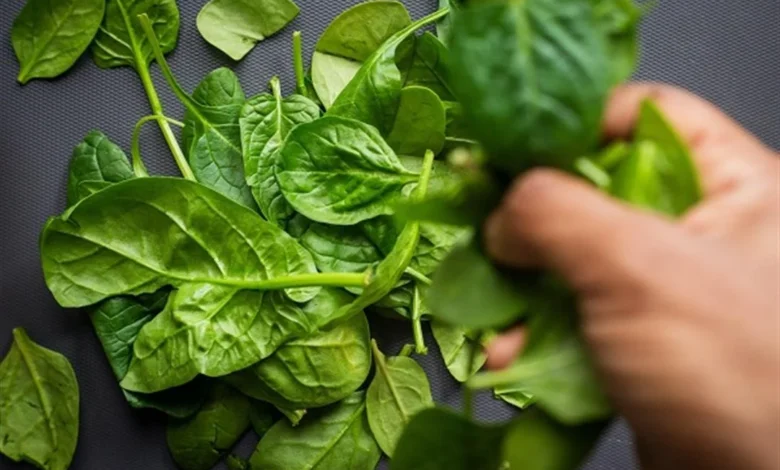
Spinach is one of the most nutrient-dense leafy green vegetables. It can easily be added to salads, soups, omelets and cooked dishes, providing potassium, dietary nitrates, magnesium, fiber and a variety of plant compounds. Eating it regularly can therefore be part of a dietary pattern that supports cardiovascular health.
One of the most interesting potential benefits concerns blood pressure. Research suggests that nitrate-rich vegetables, including leafy greens such as spinach, may help support healthy blood vessel function and contribute to healthier blood pressure levels.
However, eating spinach every day does not mean that high blood pressure will automatically disappear. Its potential effect depends on the overall diet, the amount consumed, physical activity, genetics and other health factors.
Why might spinach affect blood pressure?
Spinach contains several nutrients that may contribute to blood pressure regulation. Dietary nitrates are particularly interesting.
After consumption, nitrates can be converted into nitrites and eventually contribute to the production of nitric oxide. This molecule plays an important role in regulating the diameter of blood vessels.
When blood vessels are able to relax and widen more easily, blood can flow with less resistance. Lower vascular resistance can contribute to reducing the pressure exerted by blood against artery walls.
This is one reason leafy green vegetables are frequently studied in relation to cardiovascular health.
The role of potassium
Spinach also provides potassium, an essential mineral involved in normal cell, muscle and nervous-system function.
Potassium plays an important role in fluid balance and blood pressure regulation. Adequate potassium intake can help counter some of sodium’s effects on blood pressure.
When potassium intake is adequate as part of a balanced diet, the kidneys can increase the excretion of some sodium through urine. This may help support healthier blood pressure levels.
However, potassium requirements and tolerance vary from person to person. People with certain kidney conditions or those taking medications that affect potassium levels should consult a healthcare professional before significantly increasing potassium intake.
Magnesium provides additional support
Spinach contains magnesium, a mineral involved in hundreds of biological reactions.
Magnesium contributes to normal muscle and vascular function. It is involved in the contraction and relaxation of muscles, including those in blood vessel walls.
A diet that provides adequate magnesium is generally considered supportive of cardiovascular health. However, spinach should not be viewed as a miracle source of magnesium or as a treatment for hypertension.
Its value comes from the combination of nutrients it provides as part of a varied diet.
Supporting healthy blood vessel function
The health of arteries depends in part on the endothelium, a thin layer of cells lining the inside of blood vessels.
The endothelium helps regulate whether arteries widen or contract. When endothelial function is impaired, blood vessels may become less able to adapt appropriately to the body’s needs.
Dietary nitrates from leafy green vegetables can increase the availability of nitric oxide, which may support vascular function.
This is one of the main reasons nitrate-rich vegetables are being studied for their potential role in blood pressure regulation.
Spinach also provides antioxidants
Spinach contains several plant compounds, including carotenoids and other antioxidants.
A diet rich in vegetables provides a wide variety of compounds that help support normal cellular protection against oxidative stress. Oxidative stress and chronic inflammation are associated with several cardiovascular conditions.
However, it would be inaccurate to attribute the cardiovascular benefits of vegetables to one antioxidant alone. The effects of a healthy diet generally result from the interaction of many nutrients and plant compounds.
What might happen if you eat spinach regularly?
For a healthy person, regularly including spinach in a balanced diet can improve overall dietary quality.
If spinach replaces salty or highly processed foods, the potential impact on blood pressure may be even more meaningful. Lower sodium intake and higher vegetable consumption can work together to support cardiovascular health.
Some people may also experience modest improvements in blood pressure as part of an overall diet rich in vegetables, fruits, legumes and whole grains.
It is important, however, not to attribute any improvement automatically to spinach alone.
Does the amount matter?
Yes, but more is not necessarily better.
A moderate serving of spinach eaten regularly can contribute valuable vegetables and micronutrients to the diet. There is no need to consume very large amounts every day to benefit from a plant-rich eating pattern.
Variety is also important. Eating different leafy greens and different types of vegetables provides a broader range of nutrients and plant compounds.
Raw or cooked: which is better?
Spinach can be eaten raw or cooked, and both forms can fit into a healthy diet.
Raw spinach can be added to salads or smoothies. Cooking reduces the volume of the leaves, making it possible to consume a larger amount in one serving.
Some heat-sensitive vitamins may decrease during cooking, while the availability of certain other compounds can change. Preparation method therefore matters.
Brief steaming or quick cooking can be practical options. The most important point is to avoid turning a nutritious vegetable into a meal dominated by salt or highly processed ingredients.
Watch the added salt
If the goal is to support healthy blood pressure, how spinach is prepared matters.
Spinach cooked with large amounts of salt, highly salty sauces, processed meats or other ultra-processed ingredients may be less helpful within a blood-pressure-friendly diet.
Simple preparations using olive oil, garlic, herbs, lemon or spices can add flavor without relying heavily on salt.
Spinach does not replace blood pressure medication
People with hypertension should be particularly cautious about nutrition claims presented as miracle solutions.
A vegetable-rich diet can contribute to better blood pressure control, but it does not automatically replace prescribed medication.
Stopping or reducing blood pressure medication should always be discussed with a healthcare professional. Blood pressure also fluctuates throughout the day and needs to be interpreted in context.
A healthy diet works through multiple factors
The potential value of spinach becomes more meaningful when it is part of an overall heart-healthy dietary pattern.
A diet rich in vegetables, fruits, legumes, whole grains, nuts and seeds, combined with moderate sodium intake and limited ultra-processed foods, can support cardiovascular health.
Regular physical activity, maintaining a healthy body weight, getting adequate sleep, limiting alcohol and avoiding tobacco are also important for preventing and managing high blood pressure.
Spinach is therefore one piece of the puzzle, not the entire solution.
Who should be cautious?
Spinach is generally well tolerated by most people. However, certain situations require additional attention.
People with kidney disease may need to monitor potassium intake. Some medications can also affect potassium levels in the blood.
Spinach is also relatively high in oxalates. For people who are particularly prone to certain types of kidney stones, consuming very large amounts of high-oxalate foods may require individualized dietary advice.
People taking vitamin K antagonist anticoagulants should also aim for consistency in their vitamin K intake rather than making sudden major changes in their consumption of leafy green vegetables.
Eating spinach regularly can support cardiovascular health and may contribute to healthier blood pressure levels when it is part of an overall balanced diet. Its potassium, magnesium, dietary nitrates, fiber and plant compounds may influence blood vessels and metabolic health through several mechanisms.
However, spinach is not a stand-alone treatment for hypertension. Its potential benefit is most meaningful when it replaces salty and highly processed foods and forms part of a varied, nutrient-rich dietary pattern.
In practice, a useful approach is to regularly eat a variety of vegetables, including leafy greens, while limiting excess sodium, staying physically active and monitoring blood pressure when appropriate.