How Can Excessive Sugar Intake Lead to High Blood Pressure?
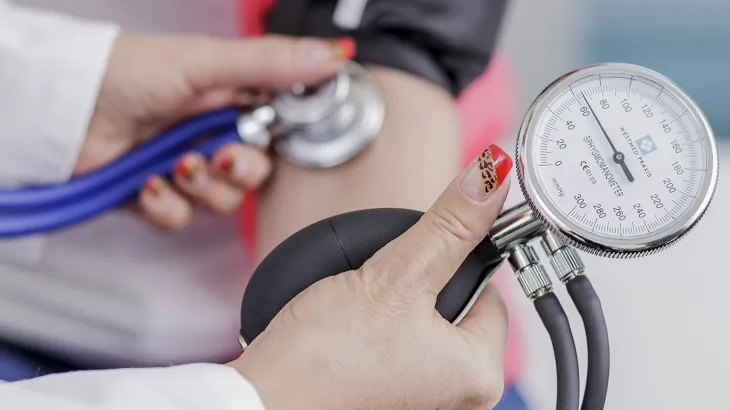
For many years, salt was considered the primary dietary cause of high blood pressure. While excessive sodium intake remains a major risk factor, growing scientific evidence shows that excessive sugar consumption—particularly added sugars found in sugary drinks, pastries, candies, and ultra-processed foods—may also contribute significantly to the development of hypertension. Health experts explain that sugar affects blood pressure through multiple metabolic, hormonal, and vascular mechanisms that, over time, increase the risk of hypertension and cardiovascular disease.
-
Two Weeks of Beetroot Consumption May Lower Blood Pressure in Older Adults
-
Magnesium May Help Lower Blood Pressure and Support Heart Health
Sugar and Weight Gain
One of the most significant consequences of excessive sugar intake is an increase in daily calorie consumption. When calorie intake consistently exceeds the body’s energy needs, excess calories are stored as body fat, leading to overweight and obesity.
Excess body fat, especially around the abdomen, is strongly associated with elevated blood pressure. The heart must work harder to pump blood throughout the body, placing additional strain on the cardiovascular system.
-
What happens to your blood pressure when you take creatine every day?
-
Green salt or regular salt: which is better for lowering blood pressure?
Insulin Resistance
A diet high in added sugars may contribute to insulin resistance, a condition in which the body’s cells become less responsive to insulin, the hormone responsible for regulating blood glucose levels.
To compensate, the pancreas produces more insulin. Chronically elevated insulin levels have been linked to several mechanisms that increase blood pressure, including greater sodium retention by the kidneys and increased activation of the sympathetic nervous system.
-
Three effective ways to control blood pressure: scientific approaches and sustainable strategies
-
How does high blood pressure silently damage the kidneys?
Effects on Blood Vessels
High sugar intake may also impair the function of the endothelium, the thin layer of cells lining the inside of blood vessels.
When endothelial function declines, arteries become less capable of relaxing and expanding normally. Reduced arterial flexibility contributes to progressively higher blood pressure and may accelerate the development of cardiovascular disease.
-
How Fat Loss Affects Blood Pressure and the Immune System
-
Should People with High Blood Pressure Stop Drinking Coffee?
Chronic Inflammation
Researchers believe that excessive added sugar intake promotes low-grade chronic inflammation.
Persistent inflammation plays an important role in the development of hypertension, type 2 diabetes, and atherosclerosis.
It also contributes to oxidative stress, a process that damages cells and blood vessels over time.
-
Can Tomato Juice Lower Blood Pressure and Protect Your Heart?
-
What does one tablespoon of olive oil a day do for your blood pressure?
The Role of Sugary Drinks
Sugary beverages are among the largest sources of added sugars in modern diets.
Soft drinks, energy drinks, sweetened teas, flavored beverages, and many commercially prepared fruit drinks often contain large amounts of rapidly absorbed sugars.
Numerous studies have associated frequent consumption of these beverages with an increased risk of hypertension, weight gain, and cardiovascular disease.
-
High blood pressure and poor sleep slow down the brain’s natural cleansing process
-
A Handful of Almonds a Day: A Natural Ally for Blood Pressure, Sugar, and Triglycerides
Excess Fructose
When consumed in large quantities through added sugars, fructose is primarily processed by the liver.
Excessive fructose intake may promote fat accumulation in the liver, increase uric acid production, and contribute to metabolic disturbances that may influence blood pressure regulation.
However, it is important to distinguish between naturally occurring fructose found in whole fruits—which also provide fiber, vitamins, and antioxidants—and added fructose used in processed foods.
-
Study: Controlling Blood Pressure Protects Against Dementia
-
The DASH Diet: A Science-Backed Strategy to Lower Blood Pressure and Boost Heart Health
How to Reduce Sugar Intake
Health experts recommend several practical strategies:
- Limit sugary beverages.
- Read nutrition labels carefully.
- Choose minimally processed foods.
- Eat whole fruits instead of fruit juices.
- Replace sugary desserts with fresh fruit or plain yogurt.
- Follow a diet rich in vegetables, whole grains, legumes, and lean proteins.
These dietary habits support both cardiovascular health and healthy blood pressure.
-
Drinking Pomegranate Juice Daily: A Natural Ally for Heart Health and Blood Pressure Regulation
-
Effective Methods to Control Cortisol and Lower Blood Pressure
Sugar Is Only One Risk Factor
Hypertension is a complex condition influenced by many factors.
In addition to excessive sugar consumption, important contributors include:
- High sodium intake.
- Physical inactivity.
- Smoking.
- Excessive alcohol consumption.
- Chronic stress.
- Genetic predisposition.
- Aging.
Effective prevention therefore requires a comprehensive approach to healthy living.
Scientific evidence indicates that excessive consumption of added sugars may contribute to high blood pressure through several interconnected mechanisms, including weight gain, insulin resistance, chronic inflammation, and impaired blood vessel function. Reducing sugary drinks and ultra-processed foods while emphasizing a balanced diet based on minimally processed foods represents one of the most effective strategies for protecting cardiovascular health and maintaining healthy blood pressure over the long term.
-
Bananas and Potassium Sources: An Effective Alternative to Lower Blood Pressure
-
Exercising at a Certain Age Protects Against High Blood Pressure
-
5 Natural Ways to Lower High Blood Pressure
-
Warnings against Ignoring High Blood Pressure