What Happens to Your Blood Pressure When You Eat Pistachios Every Day?
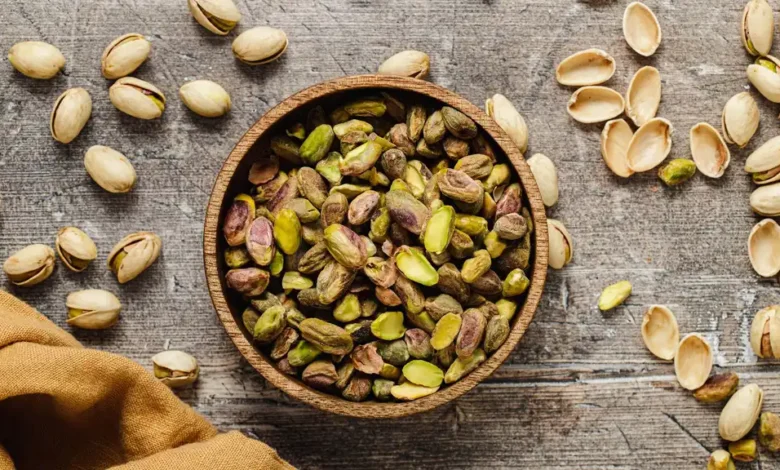
Pistachios are widely enjoyed for their flavor, but they are also a valuable source of plant protein, fiber, unsaturated fats, potassium, magnesium, and several antioxidant compounds. When consumed regularly as part of a balanced diet, pistachios may have beneficial effects on cardiovascular health and could contribute to healthier blood-pressure regulation.
High blood pressure is one of the major risk factors for cardiovascular disease. It can develop for years without obvious symptoms while gradually placing excessive strain on the arteries and heart. Diet therefore plays an important role in preventing and managing hypertension.
Pistachios may help support healthier blood pressure
Research suggests that pistachio consumption may have favorable effects on several cardiovascular markers, including blood pressure. This potential benefit may be linked to their distinctive nutritional profile, particularly their content of unsaturated fats and essential minerals.
Unsaturated fats can help improve blood lipid profiles when they replace certain sources of saturated fat in the diet. Better overall vascular health may, in turn, support more efficient blood circulation.
Pistachios also provide potassium, a mineral involved in fluid and electrolyte balance. Adequate potassium intake is generally associated with healthier blood-pressure regulation, partly because potassium can help counter some of the effects of sodium.
Magnesium may also play a role
Pistachios contain magnesium, a mineral involved in numerous physiological processes, including muscle and nerve function and the regulation of vascular tone.
Adequate dietary magnesium intake may contribute to normal cardiovascular function. However, this does not mean that any single food can treat high blood pressure on its own.
The potential benefits of pistachios should instead be considered as part of an overall healthy dietary pattern.
Potential effects on blood vessels
Pistachios also contain antioxidants and other bioactive compounds that may support the function of the endothelium, the thin layer of cells lining the inside of blood vessels.
A healthy endothelium plays an important role in regulating the dilation and contraction of arteries. When blood vessels can adapt effectively to the body’s needs, blood flow may function more efficiently.
Pistachios may therefore indirectly support vascular health, particularly when they replace less nutritious foods in the diet.
Be careful with salted pistachios
Not all pistachios are equally suitable for people trying to control their blood pressure.
Heavily salted pistachios can contain substantial amounts of sodium. Excessive sodium intake can contribute to higher blood pressure, particularly in people who are sensitive to salt.
For this reason, unsalted or lightly salted pistachios are generally a better choice for people concerned about hypertension.
How many should you eat?
Pistachios are relatively calorie-dense despite their high nutritional value. A moderate serving can therefore provide beneficial nutrients without adding excessive calories to the daily diet.
A small handful is generally a practical serving. It is also more useful to replace highly processed snacks, cookies, or foods high in saturated fat with pistachios rather than simply adding pistachios to an already calorie-dense diet.
Can pistachios replace blood-pressure medication?
No. For someone with hypertension, pistachios can be incorporated into a heart-healthy diet, but they should not replace prescribed treatment.
Managing high blood pressure generally involves several measures, including a balanced diet, regular physical activity, maintaining a healthy weight, limiting sodium, moderating alcohol consumption, getting sufficient sleep, and taking medication when medically necessary.
Any significant change to prescribed treatment should be discussed with a healthcare professional.
A potentially heart-friendly food
Pistachios also contain fiber and protein, two nutrients that can promote satiety. This makes them a useful snack within a balanced eating pattern.
Their potential cardiovascular benefits are not attributable to a single nutrient. Rather, their overall nutritional composition, combined with the foods they may replace, may help explain some of their favorable effects.
Eating pistachios regularly may support cardiovascular health and, under certain circumstances, contribute to modest improvements in blood-pressure regulation. Their combination of unsaturated fats, potassium, magnesium, fiber, and antioxidant compounds makes them a valuable component of a balanced diet.
For people monitoring their blood pressure, choosing unsalted or lightly salted pistachios is particularly important. They should nevertheless be consumed in reasonable portions because of their relatively high calorie content.
Pistachios are therefore not a treatment for hypertension, but they can be part of an overall dietary strategy designed to protect the heart and blood vessels.