High Blood Pressure After 65: What Problems Can It Cause?

After the age of 65, blood pressure becomes an increasingly important part of routine health monitoring. As people age, their arteries naturally lose some of their elasticity and become stiffer, making an increase in blood pressure more likely. But high blood pressure should not simply be dismissed as an unavoidable part of getting older. When it remains elevated for years, it can gradually damage blood vessels and place several organs under constant strain.
One of the reasons hypertension can be so difficult to recognize is that it usually causes no obvious symptoms. An older person may continue walking, shopping, working or looking after the family without feeling anything unusual, even though their blood vessels are being exposed to excessive pressure. That is why regular blood pressure checks become particularly important with age.
The main concern is what can happen when high blood pressure persists over time.
The heart, for example, has to work harder to push blood through the arteries. Over the years, this additional workload can cause the heart muscle to become thicker and eventually affect how efficiently the heart functions. High blood pressure is therefore an important risk factor for heart failure, coronary artery disease and certain heart rhythm problems.
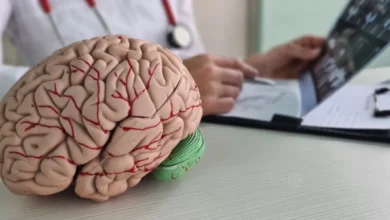
The brain is also directly affected. High blood pressure can weaken the blood vessels that supply the brain and substantially increase the risk of stroke. A blood vessel may become blocked or, in some circumstances, rupture. Long-term vascular damage can also affect brain health and cognitive function. The National Institute on Aging lists stroke and vascular dementia among the possible complications of uncontrolled high blood pressure.
The kidneys can also suffer from years of excessive pressure. Their ability to filter the blood depends on a delicate network of small blood vessels. When those vessels are repeatedly exposed to high pressure, kidney function can gradually deteriorate. The relationship between hypertension and kidney disease can also become a vicious cycle: uncontrolled blood pressure can contribute to kidney damage, while kidney disease can make blood pressure harder to control.
The eyes are not immune either. Prolonged hypertension can damage the tiny blood vessels in the retina. Changes may be detected during an eye examination and, in severe cases, vision can be affected.
There is another issue that becomes particularly important in older adults: finding the right balance when treating hypertension. High blood pressure can be harmful, but lowering it too much can also cause problems for some people, particularly if it leads to dizziness or a drop in blood pressure when standing up. The risk of falls therefore needs to be considered alongside other health conditions and medications.
That does not mean older adults should leave high blood pressure untreated because they are concerned about medication. Current recommendations continue to emphasize blood pressure control as an important part of preventing cardiovascular disease, stroke and kidney problems. The treatment approach simply needs to be tailored to the individual’s health, circumstances and risks.
Daily habits can also make a difference. Limiting excessive sodium intake, following a balanced diet, staying physically active according to one’s abilities, maintaining a healthy weight, avoiding smoking and taking prescribed medication as directed are among the measures recommended to help control blood pressure.
Ultimately, the danger of high blood pressure in older adults is not necessarily something they can feel today. It is the damage that excessive pressure can cause to blood vessels year after year. The heart, brain, kidneys and eyes can all be affected over time. A simple blood pressure reading, when checked regularly and properly interpreted, can therefore help identify a problem before it develops into a more serious complication.