Three Scenarios: US Midterm Elections Reshape Calculations over Confrontation with Iran
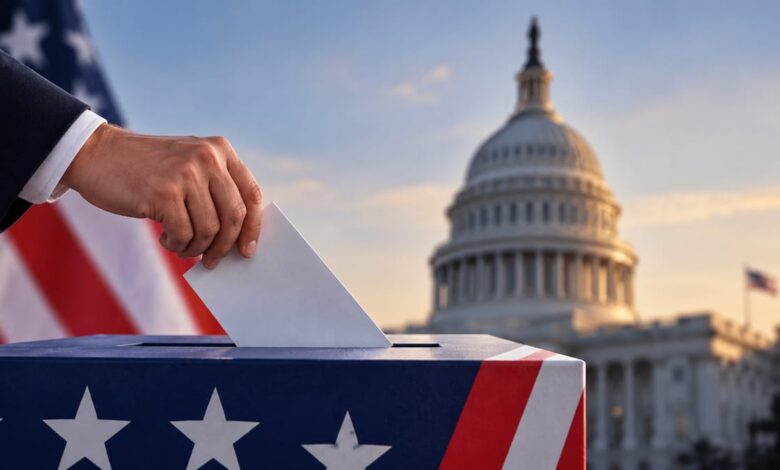
The US midterm elections carry exceptional significance for Iran. Their importance extends beyond the possibility of Republicans losing their congressional majority to the prospect of tighter political constraints and stronger congressional oversight of President Donald Trump’s administration, narrowing its domestic room for manoeuvre. Tehran is also counting on the prolonged war and its economic costs to wear down American voters’ patience.
The Balance of Power
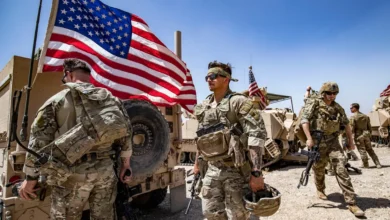
A military source close to US Central Command, or CENTCOM, says the US military is monitoring how the midterm elections could affect future American action towards Iran. Major military decisions are shaped by political and legislative calculations in Washington, alongside operational assessments of Iranian threats in the region.
The source said that losing the Republican majority in Congress could place additional constraints on the Trump administration’s ability to secure new funding or political support for expanding military operations. It would not necessarily mean changing existing military plans or abandoning deterrence options, however, as the military prepares multiple scenarios for potential developments.
The source explained that any shift in the congressional balance of power would not immediately affect US military deployments or operational readiness. Protecting American troops, facilities and interests remains a priority independent of electoral calculations. The nature of any next move would therefore continue to depend on Iran’s conduct and assessments of the threats facing US forces.
The source added that the post-election period would reveal Washington’s willingness to balance continued military and economic pressure on Tehran with keeping diplomacy open. Any fresh escalation would remain tied to developments on the ground, rather than solely to election results or partisan alignments in Congress.
A Democratic Majority
Mohamed Maher, a researcher specialising in Iranian affairs, outlines the first scenario: Democrats winning a majority in one or both chambers of Congress.
He said that a Democratic majority would not necessarily produce an immediate, fundamental shift in US policy towards the Middle East or Iran. Trump would continue using pressure and a carrot-and-stick approach, alternating between threats of escalation and the prospect of negotiated solutions.
Maher nevertheless argues that this congressional shift would bring stricter oversight and tighter constraints on legislation and funding for ongoing military operations. Tehran, economically strained by sanctions and confrontation, might view this scenario as an opportunity to buy time and slow the pace of US strikes. It would remain extremely cautious, however, recognising that American diplomacy is shaped by institutional factors that transcend party divisions.
Republicans Retain Their Majority
Ahmed al-Anani, an international relations expert, offers a different assessment, focusing on the second scenario: Republicans retaining their congressional majority and renewing the political mandate for Trump’s approach.
He said that such a victory would strengthen the administration’s drive to tighten the blockade and make greater use of military deterrence to pressure Tehran. The election results could be interpreted as political backing for continuing the “maximum pressure” strategy and targeting Iran’s infrastructure and strategic programmes.
Al-Anani said this development could push the Iranian government towards more hardline choices to protect its power structure and regional allies. That would reduce the prospects of a near-term diplomatic agreement and leave the region exposed to a prolonged war of attrition, with a growing risk of escalation into large-scale direct confrontation.
A Divided Congress
A divided Congress, with one party controlling the House of Representatives and the other the Senate, would create a complex domestic political environment in Washington over funding and overseas military support.
Political analyses suggest that this scenario could force the US administration to adopt a strategy combining a flexible defensive posture with indirect negotiations, managing the conflict without making extensive, long-term military commitments.
For Iran, this situation could provide an opportunity to consolidate gains on the ground and attempt to dismantle the international sanctions framework through bilateral engagement with other regional and international powers. Tehran could seek to exploit mounting political pressure in Congress over the costs of overseas military operations.
The Limits of Trump’s Options on Iran
Midterm election results do not determine US foreign policy on their own. They do, however, set new limits on the administration’s options regarding Iran and affect its ability to sustain escalation or pursue a lasting diplomatic settlement.
Iranian analysts believe that a Republican loss of the majority in either chamber would give Trump’s opponents greater powers to demand accountability, scrutinise his administration and obstruct his political priorities.