Each person has a voice: Somalia ends the quota system and moves toward direct voting
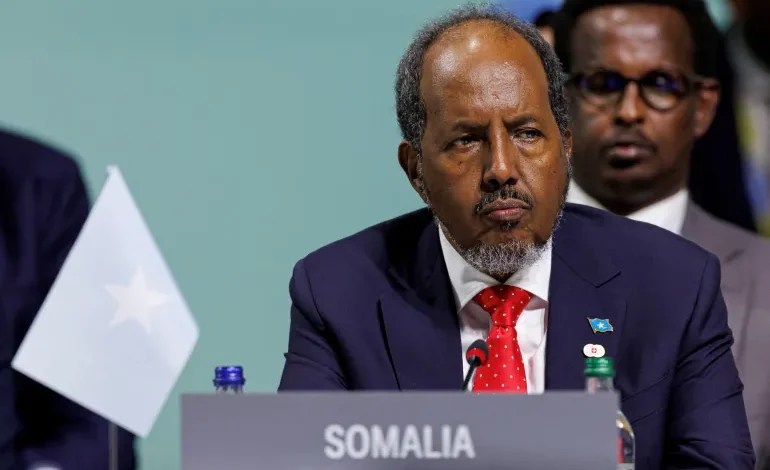
The Somali government has announced that the country is entering a transitional phase toward a democratic system based on direct popular participation, a step paving the way for elections under the principle of “one person, one vote,” after years of indirect electoral systems and clan-based power-sharing dominating the political landscape.
The Somali federal government said that the upcoming elections will be held in a “free, fair and transparent” manner in accordance with the Constitution and national laws, reaffirming its commitment to direct elections that allow citizens to exercise their constitutional rights to vote and run for office.
In a statement, the Somali Ministry of Information said the country has entered “a new phase toward consolidating a democratic system based on direct popular participation,” noting ongoing consultations with various political forces and segments of society regarding the arrangements for the upcoming electoral process.
Consultations with the opposition
According to the statement, the government held meetings over recent days with several opposition members, focusing on issues related to the upcoming elections, including voting procedures and guarantees for citizens’ rights to vote and stand as candidates.
The government reaffirmed its continued openness to dialogue and consultation with all national stakeholders on issues related to the democratic process, as part of preparations for the next electoral cycle.
From quota-based power-sharing to direct voting
In recent years, Somalia has relied on an indirect electoral system based on clan-based power-sharing, where clan elders and tribal delegates selected members of parliament instead of direct popular elections.
Seats were distributed according to the so-called “4.5 formula,” which divides power among major clans in an effort to maintain political and social balance within the country.
Under this system, parliament elected the president of the republic, while the electoral process frequently faced recurring crises linked to political disputes, election delays, and tensions between the federal government and regional states, according to previous reports by international agencies and Somali media.
The new system aims to transition toward direct elections that allow every citizen to vote directly for their parliamentary representatives.
A new constitution
Somali President Hassan Sheikh Mohamud signed the final version of the country’s new constitution in March 2026, stating that the move strengthens state institutions and advances Somalia’s democratic future.
The new constitution stipulates the direct election of members of parliament by the people, while the president is elected by parliament. The president appoints the prime minister, while parliament retains the authority to hold the government accountable and dismiss it.
It also limits the presidency to a maximum of two terms and requires the president to be at least 40 years old and a Somali citizen by birth. It further prohibits dual nationality and marriage to a foreign national for senior officials while in office.
The current term of President Hassan Sheikh Mohamud is scheduled to end on May 15, after he first assumed the presidency in 2012, before returning to office in 2022 following five years out of power.