Israeli report: undeclared Chinese involvement in Iran–U.S. talks
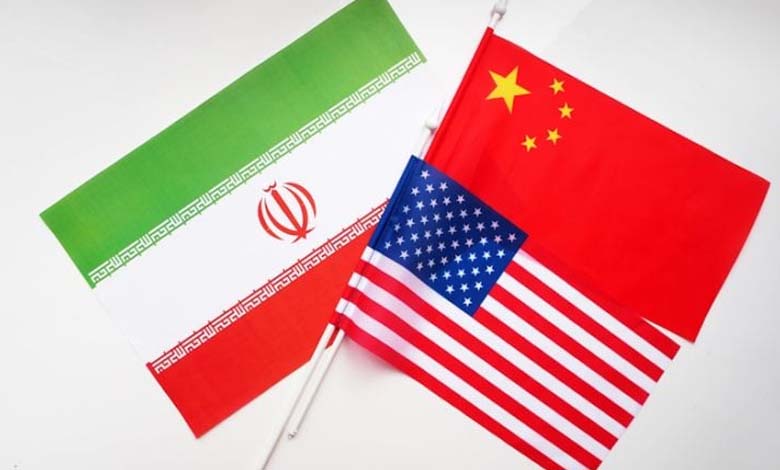
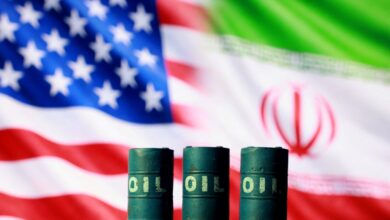
The report asserts that Beijing warned the Iranian leadership against reaching an agreement that would allow Americans to gain a foothold in Iran’s oil sector.
An Israeli newspaper reported that China is involved behind the scenes in contacts between Iran and the United States and is seeking to cooperate with leaders of the Islamic Revolutionary Guard Corps “to soften their positions,” despite repeated Chinese denials of playing any mediating role in the crisis, while affirming support for peaceful solutions to end the conflict.
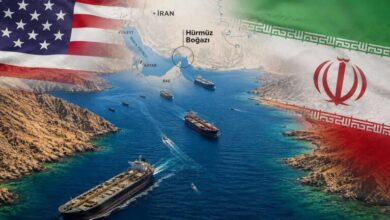
The newspaper Israel Hayom reported on Wednesday evening, citing diplomatic sources from the region, that China warned it would expand its search for alternative sources of oil and gas if the blockade of the Strait of Hormuz continues, and might even suspend the comprehensive strategic partnership agreement with Iran.
According to the same sources, Beijing also warned the Iranian leadership “of the consequences of reaching an agreement that would allow Americans to gain a foothold in Iran’s oil sector.”
The newspaper stressed that Chinese concern stems from an Iranian proposal submitted to the United States even before the war, which would allow American companies to enter the oil sector to rehabilitate and develop it in exchange for substantial financial returns.
It added that this proposal has also been put on the negotiating table in recent weeks, with the Iranians demanding in return “the release of frozen funds and the lifting of sanctions.”
Chinese authorities have repeatedly stated through official spokespersons that they adopt a “neutral and objective” stance based on supporting dialogue without engaging in direct negotiation tracks. They also emphasized that they have not participated in any activity that could inflame tensions, a statement implicitly understood as a denial of any active mediation role.
At the same time, China denied Western reports suggesting that it provided military or technical support to Iran or engaged in arrangements that could affect the balance of the conflict. This denial reinforces Beijing’s narrative that it is not a party to the management of the crisis, politically or militarily, and that it seeks to maintain its position as an international actor calling for de-escalation without direct involvement.
On the other hand, some official indications point to China’s absence from effective mediation channels, where countries such as Oman, Qatar, Turkey, and Pakistan are mentioned as potential mediators. There are no reliable indications that Beijing is leading any direct negotiation track between Tehran and Washington.
Nevertheless, China’s name is raised in this context due to its previous success in sponsoring the rapprochement agreement between Iran and Saudi Arabia in 2023. However, the complexity of Iran–U.S. relations and their entanglement with global strategic competition have led China to limit itself to general political support rather than engaging as a direct mediator in the current crisis.
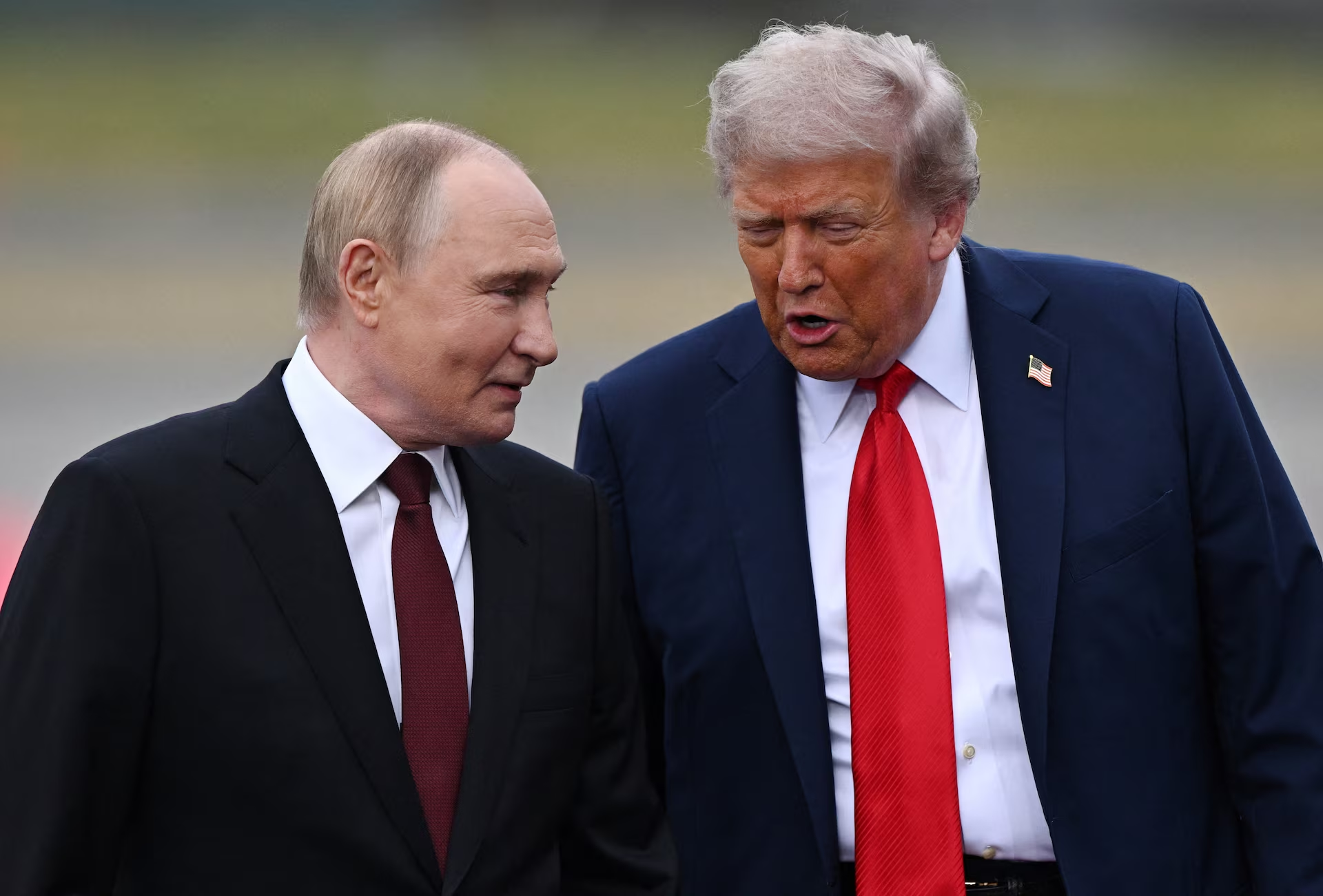
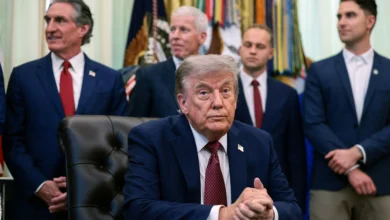
On Tuesday evening, U.S. President Donald Trump announced the extension of the two-week truce with Iran until it submits its proposal regarding negotiations aimed at reaching an agreement to end the war.
On April 8, Washington and Tehran announced a two-week truce, before the Pakistani capital Islamabad hosted a round of talks between the two sides on the 11th of the same month, without reaching an agreement.
The United States and Israel launched a war against Iran on February 28, resulting in more than 3,000 deaths, before Washington and Tehran announced the truce on April 8 in the hope of concluding an agreement to end the war.