Kordofan Fronts Flare Up: Army Advances Do Not End the War as al-Burhan Faces the Test of Securing a Decisive Outcome
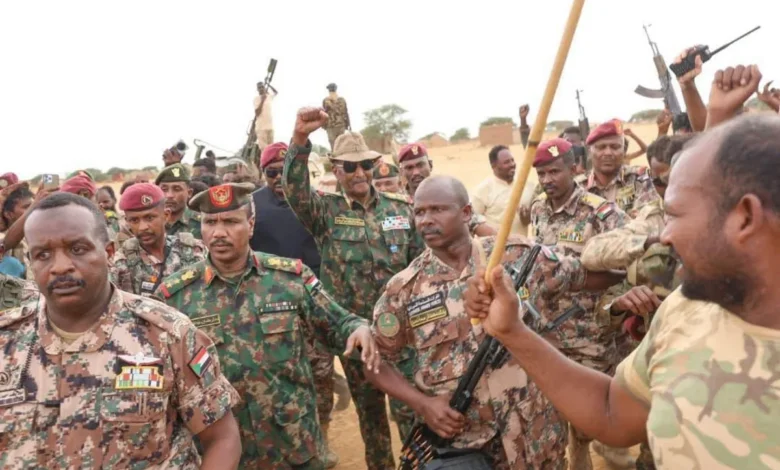
Sudan’s war is entering a new phase of military escalation as fighting continues in Kordofan and drone use expands across several areas. These developments renew questions about army chief Abdel Fattah al-Burhan’s ability to turn battlefield gains into a settlement that ends the conflict, rather than prolonging a war of attrition that has exhausted the country and plunged millions of Sudanese people into successive humanitarian and economic crises.
In the latest battlefield developments, the Sudanese Armed Forces and the allied Joint Force announced on November 13 that they had taken control of Sarif Ankush and neighbouring areas along the al-Khuway axis in West Kordofan state. The Joint Force also announced control of al-Khuway locality and the areas of Umm Lubana and al-Doudiya. However, press reports the following day indicated that fighting was continuing around the area, amid conflicting accounts of territorial control and losses. Not all battlefield details could be independently verified.
The developments come as the armed forces seek to extend their advance in Kordofan after breaking the siege of El Obeid during earlier phases of the war. The Rapid Support Forces, meanwhile, retain extensive influence in Darfur and continue fighting on other fronts. This distribution reflects a shifting military balance that allows either side to advance in one area without necessarily causing the other to collapse.
Al-Khuway Becomes a New Axis of Fighting
Developments around al-Khuway carry strategic significance because of its position within the road network connecting West Kordofan to other parts of the region. The area is also linked to supply movements and military travel between towns and cities.
If sustained, control of these areas could help the army and its allies improve their battlefield positions and expand their freedom of movement in West Kordofan. Yet in a fluid conflict, consolidating control presents a different challenge from announcing the capture of a particular area.
The course of Sudan’s war has shown that controlling towns and roads does not necessarily eliminate military threats, particularly when both sides rely on mobile forces, drones and surprise attacks.
The military significance of any advance also depends on forces’ ability to protect supply lines, secure the areas they enter and prevent them from becoming sites of recurring clashes whose costs are borne by civilians.
Announcements concerning control of al-Khuway and its surroundings must therefore be assessed against subsequent developments, especially as the warring parties’ accounts do not always present a consistent picture of conditions on the ground.
Drones Expand the Reach of the War
Among the most concerning developments in recent days is the growing use of drones in states distant from some of the traditional fronts. On November 14, military sources told Al Jazeera that air defences had intercepted eight kamikaze drones launched by the Rapid Support Forces towards the Kenana military command area in White Nile state.
In Blue Nile state, the armed forces spokesperson announced the downing of a strategic drone in the al-Dandro area. He said it had crossed the border from Ethiopia but did not identify its operator. In a separate development, the head of al-Kurmuk locality announced that the death toll from a drone attack targeting displaced people in Bani Shako had risen to 16, with six others injured. Searches for missing people were continuing, according to the Sudan Tribune.
These developments show that the war is no longer confined to ground battlefronts. Drones have become a significant factor in expanding the danger to civilians and vital infrastructure.
An analysis published by International Affairs Watch on November 12 noted that the UN Human Rights Office had documented at least 306 deaths from drone strikes during the first three weeks of October.
These figures raise questions about the warring parties’ compliance with their obligations to protect civilians, as well as the mechanisms for monitoring and investigating attacks, particularly when they hit residential areas, displacement sites or facilities that should not constitute military targets.
Battlefield Gains Do Not Mean the Conflict Is Ending
Observers argue that army advances in parts of Kordofan should not be treated as sufficient evidence that the war is nearing its end. The conflict depends not only on territorial control, but also on the ability to secure supplies, personnel and funding, alongside support networks and local and regional alliances.
The Rapid Support Forces also retain extensive positions in Darfur. Continued fighting in West Kordofan could therefore open new fronts rather than close existing ones.
The military leadership faces another challenge: the cost of holding recaptured areas, restoring their institutions and providing services to residents, while preventing abuses during and after military operations.
For people living in areas that change hands, results are measured not by the number of positions announced as captured, but by whether shelling stops, services return, roads reopen and security is restored.
Al-Burhan between Victory Rhetoric and Demands to End the War
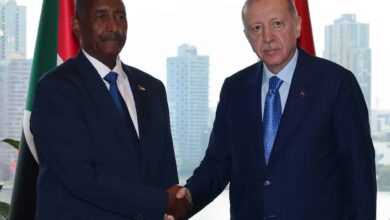
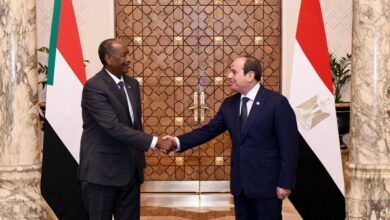
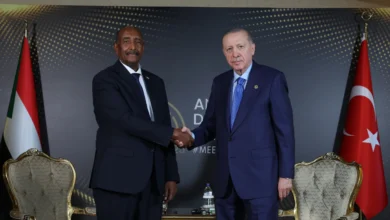
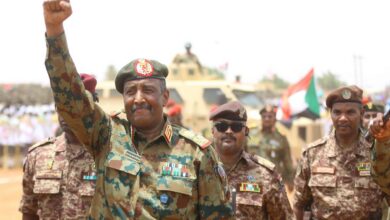
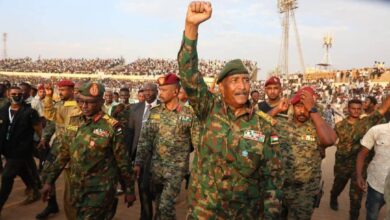
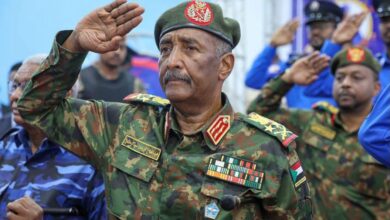
These developments come amid growing criticism of al-Burhan over the continuation of the war. The “Leave Us Alone, al-Burhan” campaign has become an online protest platform demanding his departure and an end to military rule. It links his continued leadership to the deepening political and humanitarian crisis.
The campaign reflects the views of its participants, who believe that military operations without a clear political process prolong civilian suffering and turn decisive military victory into an open-ended pursuit at the expense of state stability.
The military leadership, by contrast, maintains that the war aims to end the Rapid Support Forces’ rebellion and preserve state institutions. It argues that any settlement must ensure that no parallel military force remains outside the official military establishment.
Between these positions lies the question of whether battlefield gains will open the door to serious negotiations or encourage the parties to continue fighting in the hope of improving their negotiating terms.
Kordofan’s Humanitarian Test
The dangers of fighting in Kordofan extend beyond military calculations. The battles coincide with extremely difficult humanitarian conditions, particularly in areas facing acute food insecurity and inadequate healthcare services.
World Food Programme data indicate that approximately 19.5 million people face acute hunger in Sudan, while the risk of famine persists in several areas, particularly Darfur and Kordofan.
Continued fighting also obstructs humanitarian aid deliveries, displaces residents and increases the cost of transporting food, medicine and fuel.
The WFP warns that funding shortages have forced it to reduce the number of people receiving assistance. Around 900,000 people have lost food assistance in recent months.
Can Military Advances Lead to a Settlement?
Developments in West Kordofan and Blue Nile show that Sudan remains far from a clear military resolution, despite changes in territorial control. The army reports advances along some axes, while the Rapid Support Forces retain extensive territory and continue launching drone attacks.
This reality places a political and military responsibility on al-Burhan to move beyond conducting operations towards building a process that ends the war and protects civilians.
No battlefield advance will be sufficient unless accompanied by political and security arrangements that prevent renewed fighting, reunify institutions and open the way for a civilian government capable of managing the post-war period.
Between the “Leave Us Alone, al-Burhan” slogan and developments on the fronts, a fundamental truth emerges: Sudan needs more than changes to maps of territorial control. It needs to change the conditions that have made war a daily reality threatening millions of lives and the state’s future.