Netanyahu pushes for an attack on Iran as he fights to stay in power
Washington recognizes that a new operation against Tehran could spread beyond its intended scope. The previous confrontation disrupted shipping through the Strait of Hormuz and sent ripples through energy markets.
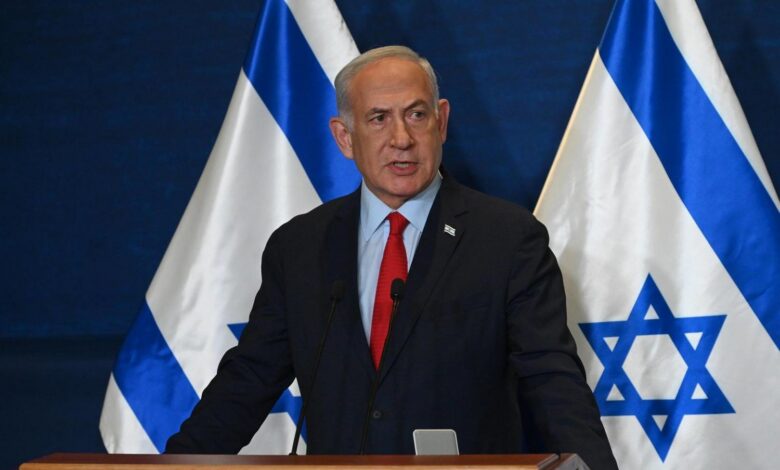
Israeli media reported on Friday that Prime Minister Benjamin Netanyahu had told security officials that military action against Iran was unavoidable, despite reservations within the Israeli military and the U.S. administration. The push comes as the loss of his parliamentary majority threatens his hold on power.
Israel’s Channel 13 quoted a senior officer as saying that the Israeli military and U.S. Central Command (CENTCOM) had “joint, approved plans.” Any operation would depend on a decision from U.S. President Donald Trump and agreement on when to proceed.
Washington questions the need for another offensive
According to Israeli and U.S. media reports, Netanyahu has been pressing Trump to join a new air campaign lasting four to seven days. He has cited Israeli intelligence assessments that say Tehran is rebuilding its missile and drone arsenal and developing chemical and biological weapons capabilities.
The New York Times reported that Netanyahu’s efforts to secure U.S. participation have encountered divisions within the administration over the reliability of the intelligence and the need for another military operation. U.S. and Israeli assessments differ over the nature of Iran’s reported progress in chemical weapons. Some U.S. officials believe the intelligence Israel has supplied may be influenced by political considerations.
The Times of Israel quoted a U.S. official close to Trump as saying that Netanyahu’s efforts to restart the war appeared to be linked to his bid to stay in power after losing his majority in the Knesset. Other administration officials believe economic pressure has weakened Iran enough to make a large-scale offensive unnecessary for now.
Trump said on Thursday that he was in no rush to make a decision on Iran and would assess developments after the start of next year. According to Axios, the White House asked the Pentagon and intelligence agencies to assess how Iran might respond to the operational plans drawn up by CENTCOM. The review is focused on whether an attack could be carried out without triggering widespread strikes on energy infrastructure in Gulf countries.
The request reflects Washington’s concern that a new conflict could spread. The previous confrontation disrupted shipping through the Strait of Hormuz, with repercussions for energy markets.
Coalition talks raise the political stakes in Israel
Netanyahu’s domestic position adds to the political stakes of his push for U.S. support. His bloc lost its parliamentary majority in the October 27 election. Gadi Eisenkot was tasked with forming a government, while Netanyahu remains in office as caretaker prime minister until a new coalition is formed.
Netanyahu had pressed for strikes on Iran in the weeks before the election. He faced resistance from military chief of staff Eyal Zamir, who feared that renewed hostilities could disrupt the electoral process.
Netanyahu’s continued push for military action has raised concerns among opposition figures and some members of Israel’s security establishment. They fear he could use a new military crisis to strengthen his position and pressure Eisenkot into joining a national unity government led by Netanyahu, instead of forming a coalition that would end Netanyahu’s tenure.
Eisenkot warned Netanyahu against taking military steps that could wait until a new government was formed. He said mobilizing security forces in the absence of a direct and imminent threat could damage Israeli democracy and public trust in state institutions. He also voiced concern that he had not been briefed on the Mossad director’s trip to Washington, even though Iran had been the focus of his security meeting with Netanyahu.
Israel’s military chief favors coordination with Washington
The reservations also concern the military value and strategic objectives of restarting the war. According to Israeli media reports, Zamir sees no urgent need for another attack. He favors coordinating any action with the United States and choosing a time that would allow Israel to achieve clear military objectives.
If Netanyahu persuades Trump to back a new operation, the threat from Iran could return to the top of Israel’s agenda, giving the caretaker prime minister leverage to press the opposition to join a unity government. Lasting military or political gains would remain uncertain.
If Washington rules out military action or Israel’s military maintains its reservations, Netanyahu could find it harder to use the Iran issue to rally his rivals behind his leadership as Eisenkot nears the end of coalition talks.