Saudi Arabia and Sudan’s War: Public Mediation and Partisan Alignments That Prolong the Conflict
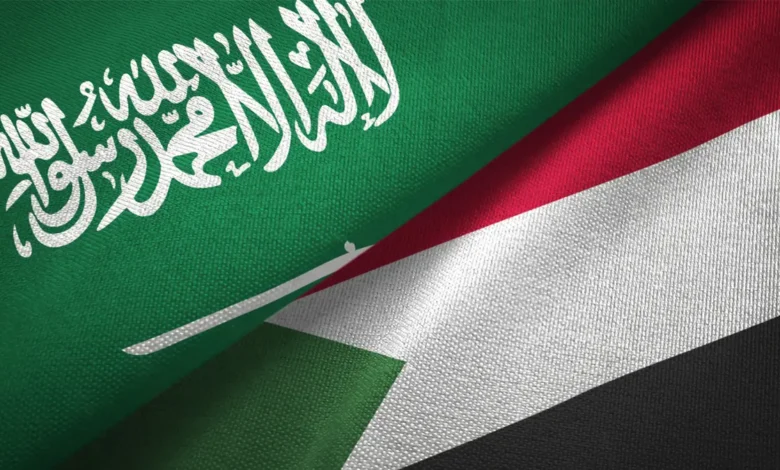
Sudan’s war is no longer simply a military confrontation between the army and the Rapid Support Forces. It has become a regional crisis shaped by overlapping political, economic and security calculations, with foreign powers competing for influence in a country occupying a strategically vital position on the Red Sea. Within this equation, Saudi Arabia stands out as one of the most influential and controversial actors. Since the war erupted in April 2023, Riyadh has presented itself as a mediator seeking to end the fighting. Developments in its Sudan policy, however, suggest that interests, influence and regional security considerations have remained central to its actions.
The fundamental issue is that Saudi Arabia is not merely a country hosting negotiations or issuing calls for calm. It maintains political, economic and security ties with Sudan’s military establishment and has direct interests in the future of Sudanese leadership and the balance of power along the Red Sea. This raises a central question: despite its mediation rhetoric, has Saudi policy helped create the conditions for ending the war, or has it directly or indirectly sustained a military balance that makes a political settlement more difficult?
Jeddah: Mediation That Did Not Deliver Peace
Within the first weeks of the war, Saudi Arabia and the United States launched a negotiating process in Jeddah, seeking a ceasefire and easier access for humanitarian assistance. In May 2023, representatives of the army and the Rapid Support Forces signed the Jeddah Declaration. It included commitments to protect civilians, respect international humanitarian law, facilitate aid access and refrain from using civilian facilities for military purposes.
The process offered a genuine opportunity to halt Sudan’s collapse, particularly as both sides faced mounting international and regional pressure. The problem, however, lay in the substantial gap between declared commitments and conditions on the ground. Abuses continued, violations recurred, and mediation failed to establish an effective mechanism for implementing the agreements.
This is one of the principal criticisms of Saudi Arabia’s role: Riyadh succeeded in bringing the parties to the negotiating table but could not translate agreements into enforceable commitments or impose meaningful political or diplomatic costs on those reneging on their pledges.
Mediation without monitoring and accountability mechanisms risks becoming, whatever its stated intentions, little more than a temporary interlude in the war. Worse still, repeated meetings and declarations without tangible results may give belligerents additional time to reorganise and rebuild their military capabilities while civilians pay the price.
This does not mean Saudi Arabia alone bears responsibility for the failure of the Jeddah talks, or that the Sudanese parties were not responsible for their collapse. Each side is accountable for its decisions and violations. Nevertheless, the extent of Saudi influence placed a greater responsibility on Riyadh to move beyond appeals for calm towards effective pressure to implement the agreements.
From Mediator to Favouring the Military Establishment’s Survival
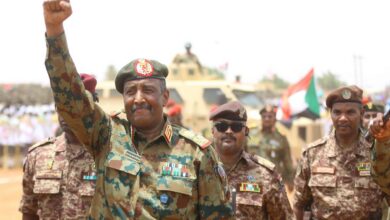
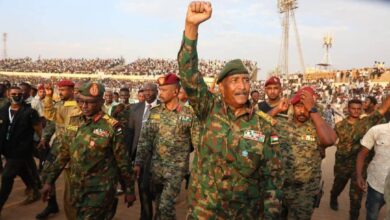
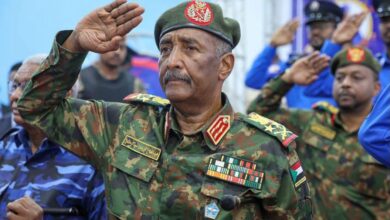
Over time, indications emerged that Riyadh favoured preserving Sudan’s existing state institutions, foremost among them the army and the authority led by Abdel Fattah al-Burhan. Concerns about state fragmentation may explain this position. Preserving institutions, however, should not amount to granting political immunity to a military actor or treating its continued dominance as the only possible solution.
As a party to the war, the Sudanese army cannot be absolved of responsibility for violations or decisions that have helped prolong the conflict. Treating the military leadership as the state’s sole representative may also marginalise civilian forces and political constituencies that should be essential partners in any democratic transition.
A European Council on Foreign Relations study published in July 2025 indicated that Saudi Arabia tended to support the continued role of Sudan’s military establishment. Its calculations included countering the expansion of rival regional influence and protecting its economic and strategic interests. The International Crisis Group also noted Riyadh’s growing alignment with the authorities in Port Sudan as the war developed.
These findings raise questions about the independence of Saudi mediation. If Riyadh regards continued military rule as a safeguard for its interests, how can it simultaneously lead an impartial political process prioritising civilians and the future of democratic government?
The problem is not the existence of relations between Saudi Arabia and the Sudanese army. Ties between states and military institutions are commonplace in international politics. It is the possibility that those relationships could undermine prospects for a comprehensive settlement, particularly when preserving existing power structures takes precedence over addressing the war’s deeper political causes.
Economic Interests: Sudan Is More Than a Humanitarian Issue
Saudi policy towards Sudan cannot be understood separately from the economic and strategic interests connecting the two countries. Sudan possesses extensive farmland, substantial livestock and mineral resources, and a highly sensitive geographical position on the Red Sea, a major corridor for international trade and energy.
Saudi Arabia seeks to strengthen its food security and diversify its sources of agricultural and livestock imports. It also views Sudan as a potential partner for investment and economic cooperation. These interests are not inherently negative; they could underpin a development partnership benefiting Sudanese people.
The danger arises when investment and influence calculations take precedence over genuine political stability. A Sudan governed by an unstable military balance, with armed forces contesting control of its territory, cannot be a stable economic partner. Any approach treating the incumbent authority as the sole guarantor of foreign interests, without demanding an end to the war and the establishment of independent civilian institutions, risks reproducing the crisis rather than resolving it.
Prioritising interests in the Red Sea may also lead to Sudanese stability being judged through the security of maritime routes and ports rather than Sudanese people’s ability to reclaim their state and end their suffering. This would be a dangerous reduction of a national crisis of Sudan’s magnitude.
Regional Competition in the Red Sea
The Red Sea is a key to understanding Saudi policy towards Sudan. The kingdom regards the opposite African shore as a direct extension of its strategic security. It recognises that any regional power able to strengthen its influence in Sudanese ports or their surroundings could affect the regional balance.
Saudi Arabia’s position therefore cannot be separated from regional competition for influence in the Horn of Africa and the Red Sea. These calculations have shaped its relations with the Sudanese authorities and its desire to prevent political and military arrangements that conflict with Saudi interests.
Turning Sudan into an arena for regional rivalry, however, risks transforming its internal war into a prolonged conflict involving multiple foreign interests. The more the future of power in Khartoum becomes tied to regional powers’ calculations, the less able Sudanese people are to reach an independent national settlement.
The most dangerous outcome would be for ending the war to depend on understandings between foreign capitals rather than the will of Sudanese people themselves. When negotiations become a forum for dividing influence, civilians become a subject of discussion instead of the decision-makers shaping their country’s future.
Economic and Political Support: The Risk of Sustaining Military Dominance
It is essential to distinguish economic support intended to help people or rebuild civilian institutions from support that strengthens a military authority’s capacity to continue waging war. Financial assistance and economic cooperation can be positive when linked to a clear peace process. They become problematic when they consolidate a de facto authority without political conditions guaranteeing a civilian transition.
International reports published in 2025 and 2026 documented Saudi Arabia’s growing ties with Sudan’s authorities in Port Sudan. Other reports described stronger economic and security cooperation. These relationships must not, however, be confused with proof that every Saudi economic agreement directly finances military operations. Such an accusation requires specific evidence.
It remains legitimate, nevertheless, to question Riyadh about the political conditions attached to its cooperation with the Sudanese authorities. Does it use its influence to press for a ceasefire and humanitarian corridors? Or do its ties to the military leadership make it more inclined to regard the continuing status quo as manageable?
Failing to link economic and political relations to a clear process for ending the war leaves space for the crisis to continue and weakens civilian forces’ ability to advance an alternative political project.
Saudi Responsibility Goes beyond Mediation Statements
Saudi Arabia’s role in Sudan cannot be reduced to a direct accusation of causing the war. Nor can it be absolved of political responsibility for the consequences of its regional and diplomatic choices. Riyadh possesses substantial influence and can affect the Sudanese military leadership’s calculations. Its international relationships also allow it to help build collective pressure to end the fighting.
The value of that influence, however, lies not in the number of meetings, agreements or statements, but in its ability to change conditions. If mediation continues without implementation and accountability mechanisms, and relations with the military authority continue to take precedence over support for a genuine civilian transition, Saudi policy will remain open to serious criticism over its indirect contribution to prolonging the crisis.
Sudan does not need a mediator seeking a stronger position in regional power balances or a state viewing its future solely through Red Sea security. It needs a clear position rejecting the continuation of the war and rejecting any military actor’s claim to an exclusive right to govern the country.
Any peace that fails to place civilians at the centre of the political process, ensure accountability for violations and open the way to independent civilian authority will amount to little more than a temporary truce before another round of conflict. The real test of Saudi policy is therefore not its ability to host negotiations, but its willingness to use its influence to end the war—even when doing so conflicts with some of its political and strategic calculations.