Sleeping without a pillow: unexpected health benefits or a practice to approach with caution?
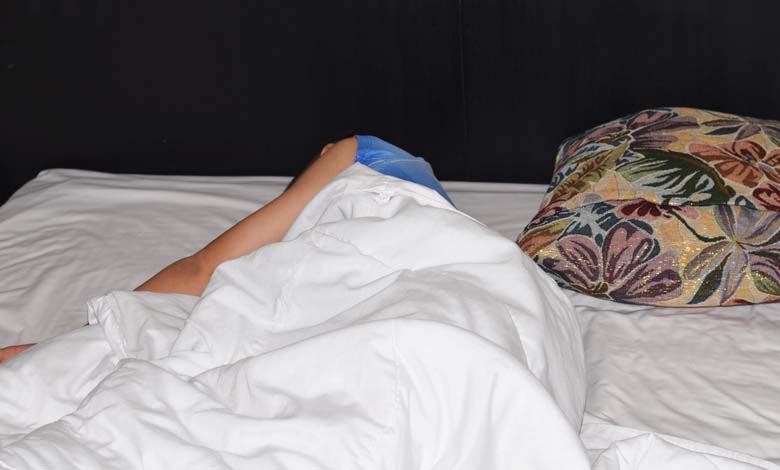
Sleep is a fundamental pillar of health, influencing both cognitive functions and essential physiological processes. Among the many factors that affect sleep quality, body position and head support play a crucial role. While the use of a pillow is widespread, some perspectives suggest that sleeping without one may offer unexpected benefits. Although this idea remains debated, it deserves careful examination to better understand its real implications.
The role of a pillow in sleep
Traditionally, a pillow is designed to support the head and maintain spinal alignment. It helps reduce tension in the neck and shoulders, particularly for individuals who sleep on their back or side.
However, an unsuitable pillow that is too thick or too firm may disrupt alignment and lead to neck discomfort. In this context, sleeping without a pillow emerges as a potential alternative.
Spinal alignment
Sleeping without a pillow may, in certain cases, promote a more natural alignment of the spine, particularly for those who sleep on their stomach. This position, when combined with a pillow, can lead to excessive neck extension.
Removing the pillow allows the head to rest closer to the body’s level, reducing strain on the cervical region. However, this effect strongly depends on sleeping position.
Reduction of neck pain
Some individuals report reduced neck discomfort after eliminating their pillow. This may be due to decreased muscle tension caused by poor nighttime posture.
However, this effect is not universal. For side sleepers, the absence of a pillow may create misalignment and increase discomfort.
Impact on sleep quality
Sleep quality depends on multiple factors, including comfort and posture. Sleeping without a pillow may improve comfort for some individuals, especially those who experience discomfort with their current pillow.
Nevertheless, an adjustment period is often required. The body may take time to adapt to this change.
Effects on skin and hair
Sleeping without a pillow may also have indirect effects on skin and hair. Reduced contact with fabric surfaces may limit friction, which could be beneficial for some individuals.
However, these effects are secondary and vary depending on personal habits and bedding materials.
Influence on breathing
Head position during sleep influences breathing. For some individuals, sleeping without a pillow may facilitate a more natural airway alignment.
However, in other cases, particularly in the presence of respiratory conditions, proper support may be necessary to maintain optimal positioning.
Individual variability
The effects of sleeping without a pillow vary greatly from one person to another. They depend on factors such as body structure, sleeping position, pre-existing discomfort, and mattress quality.
What may be beneficial for one person may be uncomfortable or even problematic for another.
Limitations and precautions
Although certain benefits are suggested, sleeping without a pillow is not suitable for everyone. Poor adaptation may lead to discomfort, reduced sleep quality, or muscle tension.
It is recommended to try this practice gradually and observe the body’s response. In some cases, an ergonomic pillow may be a more appropriate solution.
A personalized approach to sleep
Sleep is a highly individualized process influenced by many variables. The primary goal is to maintain comfort and proper body alignment.
Whether sleeping with or without a pillow, the key is to adopt an approach that suits individual needs.
Sleeping without a pillow may offer certain benefits, particularly in terms of posture and reduced neck strain, but these effects depend largely on sleeping position and individual characteristics.
Rather than a universal solution, this practice should be considered as one option among many, tailored to personal comfort and well-being. A personalized approach remains essential for optimizing sleep quality and maintaining health.