Could Netanyahu draw Israel into a confrontation with Iran within the next five days?
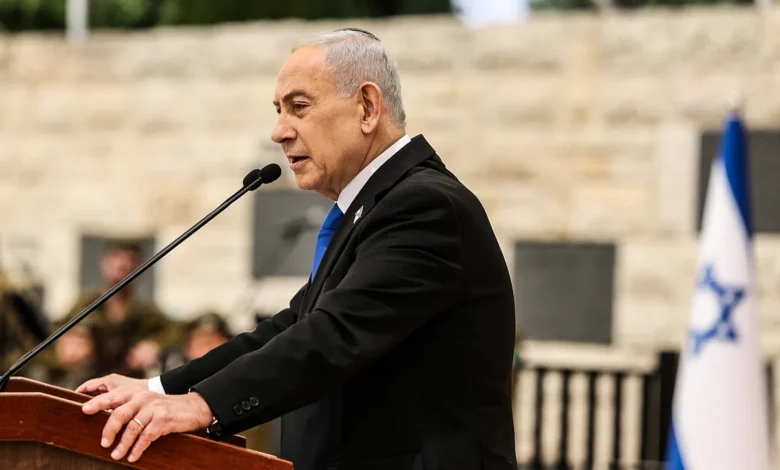
Concerns are mounting in Israel that the caretaker prime minister could launch a military operation against Iran to obstruct the transfer of power, exploiting a gap in parliamentary oversight before Avigdor Lieberman takes over the Foreign Affairs and Defence Committee.
Fears are growing in Israel that outgoing Prime Minister Benjamin Netanyahu could launch a swift military operation against Iran. Media reports indicate that the army has raised its readiness level amid sharp divisions within the Israeli leadership over the merits and timing of any action. The developments come during a transition period in which no new government has yet been formed following the elections.
Citing political and security sources, Maariv reported concerns that Netanyahu could order a military operation within the next five days, before Avigdor Lieberman assumes the chairmanship of the Knesset’s Foreign Affairs and Defence Committee.
The developments have raised questions about the prime minister’s insistence on delaying Lieberman’s appointment until next Monday, while no parliamentary body is exercising full oversight of the government and security agencies.
Those concerns intensified following a Haaretz report that Netanyahu was applying pressure to prevent the committee from convening in the coming days.
The committee has extensive oversight powers over the security agencies, whose chiefs appear before its members to provide briefings and answer questions. Delays in constituting it have therefore become a significant source of political and security controversy.
The Knesset’s Arrangements Committee approved Lieberman’s nomination to chair the committee, but the final appointment vote was postponed until Monday, 16 November. Lieberman has announced his intention to summon military Chief of Staff Eyal Zamir and Mossad Director Roman Gofman for briefings on security matters within the committee’s remit. Israeli reports indicated that the vote could be brought forward if the security situation escalates.
Readiness orders and political divisions
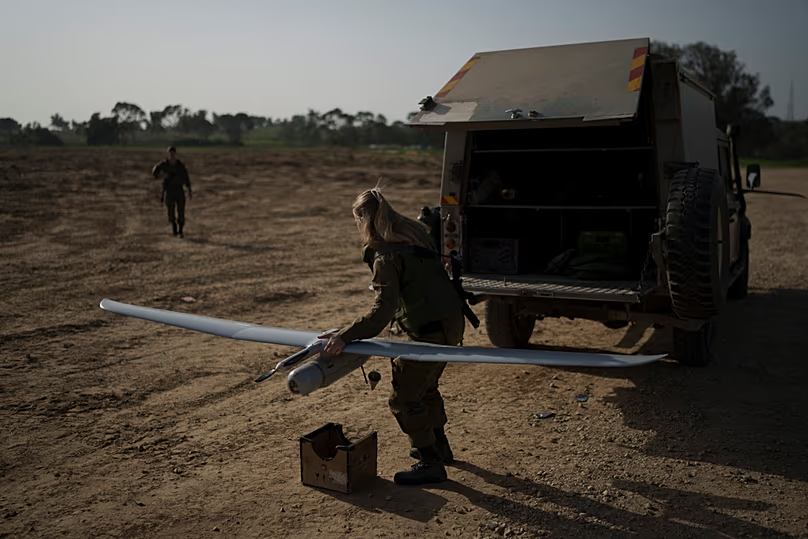
Separately, Israel’s public broadcaster reported that the security cabinet had instructed the military to strengthen preparations for a possible attack on Iran.
The broadcaster said the instructions could lead to military activities capable of broadening the confrontation. It did not disclose the measures requested or confirm that a final decision to launch an attack had been made.
The directive is particularly significant because the security cabinet has not met since 5 October, before the legislative elections held on 27 October. Yedioth Ahronoth reported that the cabinet was preparing to meet next Sunday.
It remains unclear whether the latest instructions signal a move towards operational execution or simply greater military preparedness for a possible escalation.
The preparations emerged after Gadi Eisenkot, who has been tasked with forming the next government, warned against military decisions not compelled by an urgent security need. In a letter to Netanyahu, excerpts of which he published on X, Eisenkot called for restraint and for deferrable action to be postponed until a government enjoying the Knesset’s confidence is formed.
Eisenkot warned that deploying security forces without a direct and immediate threat could damage democratic institutions and Israelis’ confidence in decision-making procedures. He urged Netanyahu not to place security chiefs in a constitutional dilemma or leave them uncertain about which instructions they should carry out.
He also asked Attorney General Gali Baharav-Miara to intervene to ensure he receives regular, comprehensive security briefings, saying attempts to arrange them through official channels had been unsuccessful.
Netanyahu, in response, described the public discussion of sensitive security matters as irresponsible. He maintained that his government’s decisions were based solely on security considerations and taken in full coordination with the defence and security establishment.
Meanwhile, Yedioth Ahronoth quoted a senior official in the change bloc accusing Netanyahu of seeking to push the country into war to run down the time remaining for Eisenkot to form an alternative government. These allegations form part of the political struggle over the transfer of power and do not, in themselves, establish that a military decision has been taken for that purpose.
Differences within the military and security establishment
On the military front, Israel’s Channel 12 reported renewed disagreements between Netanyahu and Chief of Staff Eyal Zamir over possible action against Iran. Citing informed sources, the channel said Zamir considered some of the steps Netanyahu was advocating insufficiently thought through in the current circumstances. Such moves could open the way to a wider confrontation at a time when President Donald Trump’s administration appears unwilling to enter another war.
Earlier Israeli media reports had also described differences within the leadership over a potential operation against Iran, alongside military reservations concerning the risks of Iranian retaliation and a broader conflict.
Those reports suggested that the Mossad director was more inclined towards action, while other security officials expressed reservations about escalation. Netanyahu’s office had previously denied reports of disagreements with the military leadership or plans to launch an attack for electoral reasons.
The developments coincide with Eisenkot’s efforts to form a government after being entrusted with the task by President Isaac Herzog. Netanyahu continues to serve as caretaker prime minister, placing military and security decisions at the centre of a debate over the current government’s powers and the incoming government-former’s right to access the information needed to fulfil his mandate.