Swelling of the Extremities in Hot Weather: Warning Signs That Should Never Be Ignored
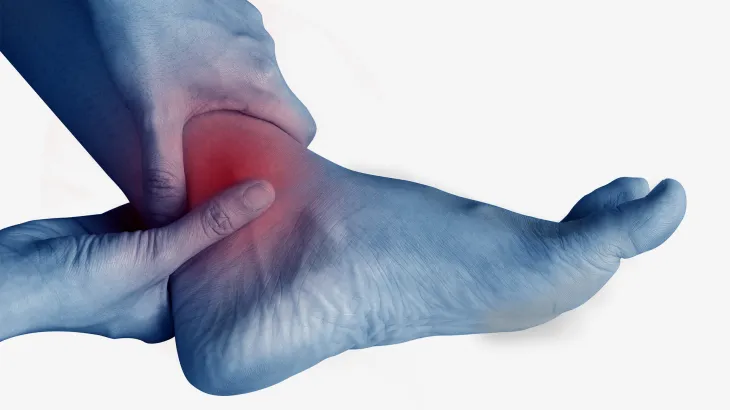
As summer temperatures rise, many people notice an unusual phenomenon: their feet, ankles, hands, or fingers appear more swollen than usual. Rings may feel tighter, shoes may become uncomfortable, and a sensation of heaviness can develop in the limbs. In most cases, this is a temporary response related to the body’s natural temperature-regulation mechanisms. However, some cases of swelling may indicate an underlying medical condition that requires attention.
Understanding the causes of swelling during hot weather helps distinguish normal physiological responses from potentially serious warning signs. Health experts emphasize that certain associated symptoms should never be overlooked.
Why Do Extremities Swell in Hot Weather?
When external temperatures rise, the body activates several mechanisms to release excess heat.
One of the primary responses is the dilation of blood vessels located near the skin surface.
This vasodilation helps transfer body heat to the environment.
However, it can also lead to temporary fluid accumulation within peripheral tissues, particularly in the feet, ankles, and hands.
The Role of Gravity
Gravity plays a significant role in swelling.
When people remain standing or sitting for long periods, fluids naturally tend to accumulate in the lower parts of the body.
High temperatures intensify this effect by increasing blood vessel dilation.
This is why the ankles and feet are often affected first.
A Common Summer Phenomenon
In healthy individuals, mild swelling of the extremities during hot days is generally harmless.
It often disappears after a night’s rest or when temperatures decrease.
However, the frequency of this phenomenon increases with age.
People at Greater Risk
Certain groups are more likely to develop heat-related swelling.
These include:
- Older adults.
- Pregnant women.
- Individuals living with obesity.
- People with circulatory disorders.
- Individuals who spend long periods standing or sitting.
What Is Edema?
Edema refers to an abnormal accumulation of fluid within body tissues.
It can affect different areas of the body and arise from various causes.
Heat is only one possible explanation.
When Does Swelling Become Concerning?
Certain signs warrant medical evaluation.
Swelling should not automatically be attributed to hot weather.
In some cases, it may signal a more serious health problem.
Sudden Swelling in One Limb
Rapid swelling affecting only one leg or one arm requires prompt medical assessment.
This symptom may sometimes be associated with a significant circulatory problem.
Associated Pain
Swelling accompanied by pain, tenderness, or redness should not be ignored.
These signs may indicate inflammation or a vascular condition requiring medical attention.
Unusual Shortness of Breath
The simultaneous appearance of leg swelling and shortness of breath is an important warning sign.
This combination may indicate a cardiovascular or pulmonary disorder.
Rapid Weight Gain
A sudden increase in body weight accompanied by fluid retention also deserves attention.
It may sometimes reflect an underlying physiological imbalance.
Cardiovascular Diseases
The heart plays a crucial role in blood circulation.
When it functions less efficiently, fluid may accumulate in certain parts of the body.
Ankle swelling can sometimes be one of the earliest visible signs.
Kidney Diseases
The kidneys help eliminate excess fluids from the body.
Certain kidney disorders can disrupt this balance and promote water retention.
Liver Disorders
The liver is involved in regulating numerous metabolic functions.
Advanced liver diseases may sometimes lead to edema formation.
Venous Problems
Chronic venous insufficiency is one of the most common causes of leg swelling.
In this condition, veins have greater difficulty returning blood to the heart.
Medication Side Effects
Certain medications may contribute to fluid retention.
These include some blood pressure medications, anti-inflammatory drugs, and hormonal treatments.
The Importance of Hydration
Contrary to common belief, drinking enough water may help reduce certain forms of heat-related fluid retention.
Proper hydration supports fluid balance throughout the body.
Physical Activity
Movement stimulates blood circulation.
Walking, swimming, and gentle exercise promote venous return and may reduce swelling.
Elevating the Legs
Raising the legs several times a day often helps decrease fluid accumulation in the lower limbs.
This simple measure can provide significant relief.
The Role of Clothing
Very tight clothing may interfere with proper circulation.
Lightweight and comfortable garments are generally preferable during hot weather.
Compression Stockings
For some individuals with venous insufficiency, compression stockings may improve blood flow.
Their use should be guided by medical recommendations.
Diet and Salt Intake
Excessive sodium consumption promotes water retention.
Reducing highly salted foods may help minimize swelling.
The Effects of Aging
As people age, circulation and fluid-regulation mechanisms may become less efficient.
This partly explains why older adults are often more vulnerable to summer edema.
Preventing Complications
Regular monitoring of symptoms helps identify potential medical problems early.
The earlier a condition is detected, the better the chances for effective management.
Conclusion
Swelling of the hands, feet, or ankles during periods of intense heat is often a normal physiological response caused by blood vessel dilation and temporary fluid retention. In most cases, it is harmless and resolves when temperatures fall or after adequate rest.
However, certain warning signs should never be ignored. Sudden swelling, significant pain, redness, shortness of breath, or rapid weight gain may indicate a more serious underlying condition. In such situations, medical evaluation is essential to determine the cause and prevent potential complications.