Iraq: satellite imagery exposes oil theft networks in Babil governorate (photos)
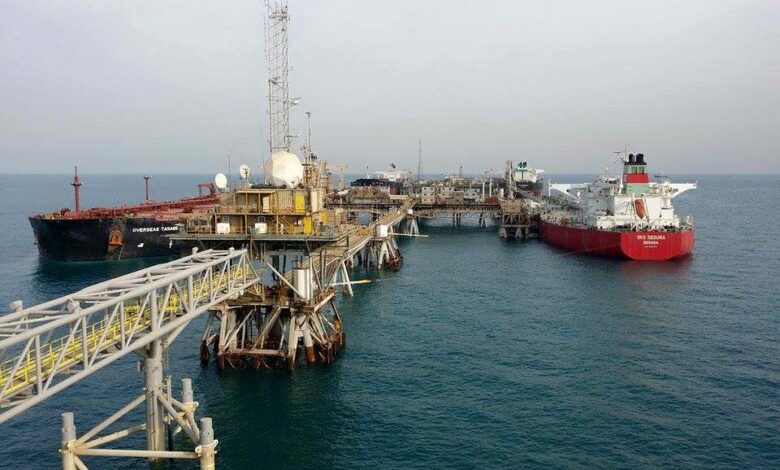
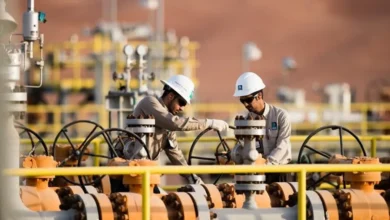
Security and technical documents issued by Iraqi intelligence agencies have revealed illegal interference with pipelines carrying oil and petroleum products in Al-Musayyib district, Babil governorate. The activity was detected using geospatial monitoring technology and satellite imagery.
The reports prompted urgent recommendations to the office of Prime Minister Ali al-Zaidi. They call for firm legal measures and action to address monitoring failures that have caused serious damage to public finances and the country’s energy sector.
Illegal siphoning
According to the technical intelligence report issued by the Interior Ministry’s Federal Intelligence and Investigations Agency, field inspections cross-checked against satellite imagery uncovered illegal siphoning from underground pipelines in the Jurf al-Nasr area, particularly near the Al-Bahbahani junction.
Investigators found that fuel was extracted through unauthorised connections to the pipelines and loaded into tanker trucks with a capacity of 36,000 litres. The shipments were then taken to newly established sites containing storage tanks and ground pits covered with metal structures designed to conceal the activities from visual observation. Facilities resembling small, limited-capacity refining units had also been built without official approval.
Transport routes and activity spanning several years
An analysis of satellite images over time revealed varying levels of tanker activity at some of these sites between 2021 and late 2026. Tanker numbers were observed increasing at different intervals, sometimes doubling. Indicators also suggested that loading continued at night to evade daytime monitoring.
The report identified three main routes used by trucks carrying petroleum products to reach outlying roads and neighbouring governorates through secondary access points and bridges. These routes allowed the tankers to blend into regular fuel-station supply traffic and conceal the illegal origin of their cargoes.
Oversight responsibilities and firm recommendations
On the legal and administrative front, recommendations submitted to senior government authorities stressed the need for an immediate investigation and accountability for negligent officials at the Oil Ministry’s pipeline and petroleum products distribution companies.
They highlighted delays in addressing violations that had continued for years, as well as the failure to activate early-warning systems designed to detect pressure drops and irregularities across the national pipeline network.
The documents called for deterrent judicial action against those involved in the theft and illegal interference with pipelines, and for the prosecution of anyone responsible for damaging Iraq’s economic infrastructure. They also urged stronger technical monitoring mechanisms to ensure the long-term protection of strategic supply lines.