Iran
War in Iran: what do we know about the two-week truce?
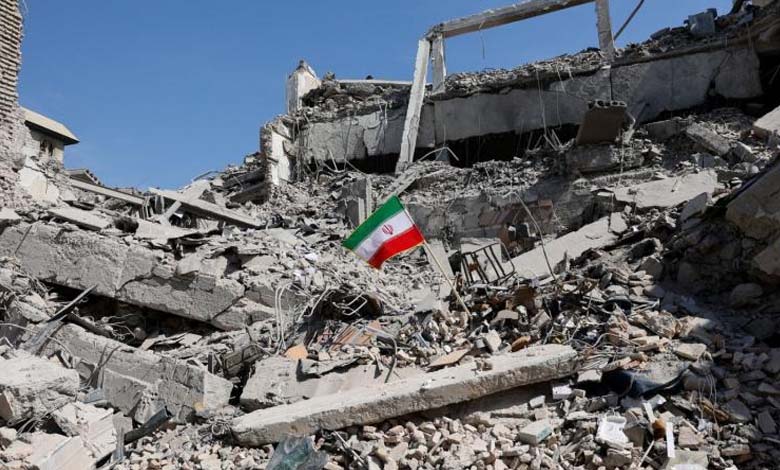
A two-week truce will halt hostilities between the United States and Israel on one side, and Iran on the other.
The world had been awaiting U.S. President Donald Trump’s approval of the truce. What do we know about it?
-
Iran’s gamble with human lives… mobilizing the population for death while volunteers build a rescue map
-
The war against Iran turns investors into giant economic whales
- It was established following talks between Donald Trump, Pakistani Prime Minister Shehbaz Sharif, and Field Marshal Asim Munir.
- Trump’s approval is conditional upon Iran’s agreement to the full, immediate, and safe reopening of the Strait of Hormuz.
- The ceasefire will be observed by both sides.
- The truce came after Trump received a ten-point proposal from Iran.
- The two-week period will be used to negotiate a broader agreement that could potentially end the war.
-
Explosions in Tehran and Kharg… new Israeli strikes on Iran
-
Before the Iranian pilot… 5 exceptional rescue operations in military history
- Peace talks are expected to take place in Islamabad on April 10 between the United States and Iran.
- Iran has announced its agreement to the ceasefire and the reopening of the Strait of Hormuz in coordination with it.
- Israel has agreed to the ceasefire and will also suspend its strikes.
- The ceasefire will come into effect once Iran reopens the Strait of Hormuz.
- Discussions have taken place through mediators regarding possible face-to-face negotiations, likely to be led by Vice President JD Vance, although nothing official has been announced.
- Negotiations between the United States and Iran have gained momentum over the past 24 hours, with Pakistan playing the primary mediating role.
-
A two-phase agreement… Details of a proposal to end the war with Iran
-
A U.S. general outlines the timeline of the war with Iran… It would end by this date
-
The last chance for Iran before Trump’s hell… Talks of a 45-day truce
-
Trump ends the crisis of his pilots, asserting superiority over Iranian airspace