Is it recommended to eat papaya at night? Nutritional analysis, digestion, and eating habits
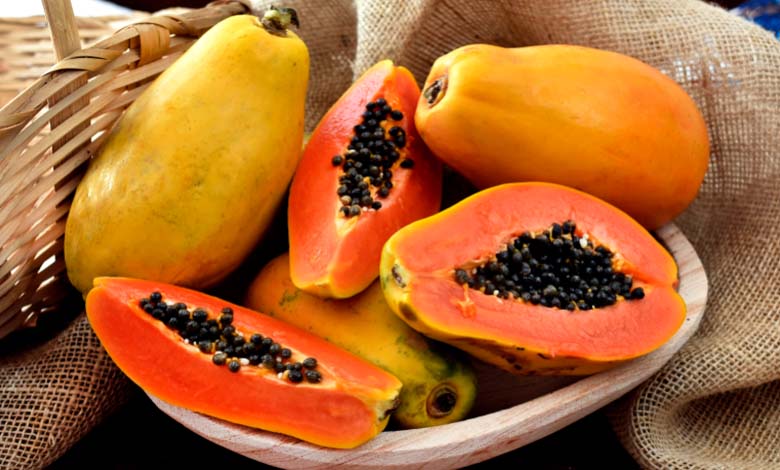
Papaya is a tropical fruit recognized for its richness in vitamins, minerals, and digestive enzymes. Consumed across many cultures, it is often recommended to improve digestion and support the immune system. However, the question of whether it is appropriate to eat papaya at night raises concerns related to digestion, metabolism, and eating habits.
-
Eating Papaya on an Empty Stomach: A Morning Habit That Boosts Digestion
-
5 Side Effects of Excessive Papaya Consumption
From a nutritional standpoint, papaya is particularly beneficial. It contains vitamins A, C, and E, B vitamins, as well as potassium and magnesium. These nutrients contribute to cardiovascular health, blood pressure regulation, and protection against oxidative stress. Papaya is also high in soluble and insoluble fibers, which promote intestinal transit and satiety.
A unique component of papaya is papain, a proteolytic enzyme capable of breaking down proteins and enhancing digestion. This property often justifies consuming papaya after a heavy meal to facilitate nutrient absorption and reduce bloating. However, fruit digestion, including papaya, can vary according to individual differences and the time of consumption.
-
Why is the kiwi called the super fruit ?
-
Does Beetroot Juice Help Detoxify the Liver? A Deep Scientific Analysis
Eating papaya at night presents both advantages and limitations. On the one hand, its low caloric density and high fiber content allow it to satisfy a small hunger without overloading the stomach, which can promote restful sleep. The digestive enzymes and antioxidants it contains also support nocturnal cellular regeneration and detoxification.
On the other hand, for sensitive individuals, eating papaya just before bedtime may cause prolonged digestion and bloating, especially when combined with other protein- or fat-rich foods. The fermentation of natural sugars in the colon can sometimes lead to gas or nighttime discomfort. Therefore, individual tolerance is a key factor in deciding whether to consume this fruit at night.
-
Vegetables and Grains: Essential Natural Allies to Break Down Blood Clots and Lower Cholesterol
-
Coconut Water or Coconut Milk — Which is Healthier for You?
It is also relevant to consider nocturnal metabolism. During the night, the digestive system slows down and energy expenditure is reduced. Eating very sugary fruits in large quantities could affect blood sugar and energy storage, particularly in people with diabetes or insulin resistance. Nevertheless, papaya, with its moderate glycemic index and low caloric content, remains a safer choice than many other sweet desserts.
To maximize benefits, it is recommended to consume papaya alone or with light foods such as nuts or yogurt, rather than as part of a heavy meal. Cutting the fruit into pieces and eating it about one to two hours before bedtime usually allows comfortable digestion while taking advantage of its beneficial effects.
-
Vitamin E deficiency: Here are 4 eye-opening signs!
-
Excessive Vitamin D Intake: A Hidden Threat to Digestive and Metabolic Health
In conclusion, eating papaya at night can be beneficial if consumed in moderation and according to individual digestive habits. It provides fibers, vitamins, minerals, and digestive enzymes, contributing to intestinal comfort and favorable nutritional intake overnight. However, sensitive individuals should assess their tolerance and avoid combining papaya with heavy or rich meals.
-
Taking Vitamin D Incorrectly Can Endanger Your Health
-
Are Electric Shock Sensations a Sign of Vitamin B12 Deficiency?
-
Excessive vitamin intake threatens liver health