March hearing: Grandson of the Muslim Brotherhood’s founder faces trial in France on rape charges
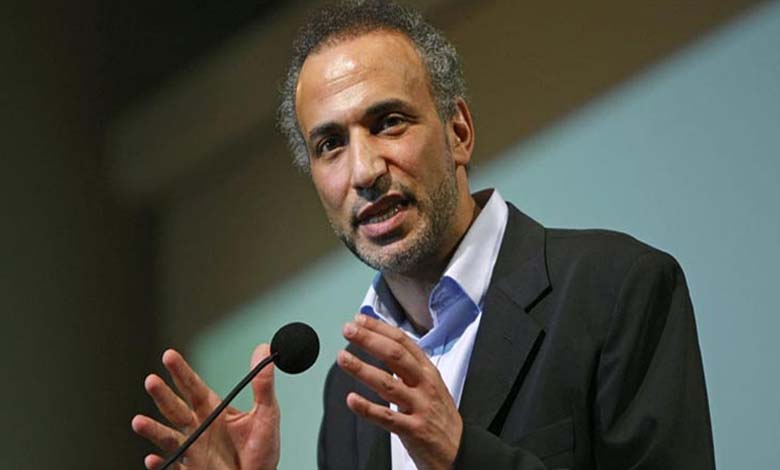
Nearly eight years later, Tariq Ramadan, the grandson of the founder of the Muslim Brotherhood, is once again appearing before the French courts to face charges of raping three women.
-
Justice prevails over the Muslim Brotherhood’s influence in the Tariq Ramadan case: what’s new?
-
Tariq Ramadan’s Appeals Rejected… Latest Developments in the Case of the Grandson of the Founder of the Muslim Brotherhood
Swiss radio station 20 Minutes reported that Tariq Ramadan will appear before the Paris Criminal Court starting next Monday to stand trial for alleged rapes committed between 2009 and 2016 in France.
The trial is scheduled to run from March 2 to March 27 before a panel composed entirely of professional judges. Ramadan faces a sentence of up to twenty years in prison if convicted.
One of the complainants, identified under the pseudonym Christelle, requested closed-door hearings to protect her identity and avoid renewed exposure to threats and harassment she said she endured during the judicial investigation. According to her lawyers, Laura Ben Kemoun and Laure Heinisch, the accused had publicly disclosed her identity on several occasions.
The court granted her request for closed sessions, recognizing it as a legitimate right.
-
Tariq Ramadan has been accused by a new raping charge
-
The Muslim Brotherhood in Ireland: multiple arms and ongoing pressure for regulation
A significant stage after years of proceedings
The two lawyers stated that this trial, coming after more than eight years of complex legal proceedings and more than sixteen years after the alleged events, represents a “long-awaited and important stage” and a “crucial moment” for their client.
Following several legal developments, the Paris Court of Appeal ordered in June 2024 that Ramadan stand trial on charges of raping three women:
– Christelle, in Lyon in October 2009;
– Henda Ayari, in Paris in 2012, who filed her complaint in October 2017;
– a third woman in 2016.
Investigating judges had also included an allegation of rape involving a fourth woman, Mounia Rabbouj, but Ramadan appealed, and the Court of Appeal declined to examine that part of the case.
-
Europe and the Muslim Brotherhood Battle: The Defensive Belt Expands
-
The Muslim Brotherhood: A Threat Requiring an International Response
The court also dismissed the concept of “psychological control,” which had previously featured prominently in the case, ruling that it could not be considered established at any stage of the relationships between Ramadan and the complainants.
It emphasized that “violence constitutes the central element in the various accounts of the victims,” noting that the women described extremely violent sexual encounters involving, according to the judges, “grabbing the head, coercion, restraining or preventing movement, the use of body weight, aggressive looks, words and commands aimed at imposing domination and submission.”
According to the Swiss broadcaster, Ramadan initially denied any sexual relationship with the women, but in mid-2018 acknowledged extramarital relationships, describing them as “strict but consensual,” marking a significant turning point in the case.
-
The Brotherhood’s Double Game… Mohamed Khairallah, Muslim Brotherhood Activist or Zionist Arm?
-
The Muslim Brotherhood: Diverting National Funds to Serve Secret Organizational Goals
Attempts to delay proceedings
Ramadan undertook several legal initiatives to postpone the trial, requesting the reopening of the investigation based on what he described as new expert evidence proving his innocence.
His lawyers argued that “the court’s insistence on holding the hearings on the scheduled dates does not appear to allow for a fair trial,” noting that within a single year he had submitted at least five applications to introduce new evidence, but had received no response from the presiding judge.
-
The Muslim Brotherhood… the Hidden Face Within Western Democracies
-
The Brotherhood’s Claw Resurfaces in France… What Is Baraka City About?
They also referred to Ramadan’s diagnosis of multiple sclerosis, asserting that he was “not in a condition to appear in court without risk to his health.”
In Switzerland, after being acquitted at first instance, Ramadan was sentenced on appeal in September 2024 to three years’ imprisonment, including one year to be served, for the rape of a woman on the night of October 28–29, 2008, in a hotel in Geneva.
He has announced his intention to appeal to the European Court of Human Rights and has also filed a request for a review of the judgment, which remains under consideration by the Swiss judiciary.
-
Experts Warn: Parallel Islamist Systems Threaten France’s National Unity
-
Financial Conflict and War of Accusations: A New Chapter in the Collapse of the “Muslim Brotherhood”