Iran war: potential repercussions in Yemen place the Houthis between two pressures
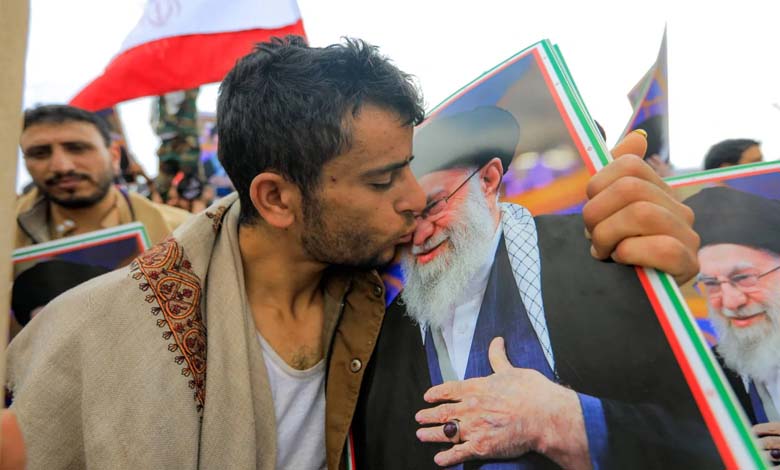
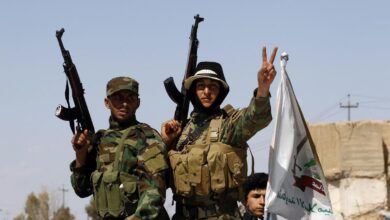
The Houthis in Yemen are closely monitoring the developments of the war in Iran, fearing both a reduction in military and financial support from Tehran and the possibility of American strikes targeting their positions.
Yemeni analysts expect the war in Iran to cast a heavy shadow over the Houthis. They believe it could weaken the militia’s military capabilities, isolate it politically and generate economic consequences that may affect the group.
In a direct reaction to regional developments, the Houthis have already begun large-scale movements in areas under their control. These include evacuating certain sites and facilities, deploying weapons and fortifying positions inside tunnels, fearing potential American or Israeli strikes.
-
Amid intense Arab efforts, will the world succeed in stopping the terrorism of the Houthi and Iran in Yemen?
-
Israel strikes Hamas, Hezbollah, and Houthi “weapons supply line” in Iran… Who is Behnam Shahriari?
Military impact
Regarding the current situation, military expert Brigadier General Abdel Samad Al-Majzafi stated that the war in Iran will have a very significant impact on the future of the Yemeni crisis. He emphasized that the Houthi militias will be affected militarily, politically and economically.
He explained that, from a military perspective, Iranian supplies to the Houthis of advanced technologies, modern weapons, drone components and sensitive equipment are expected to decline as a result of strikes targeting Tehran’s military capabilities.
Brigadier General Al-Majzafi added that this would limit the Houthis’ ability to use modern technologies to target ships, threaten neighboring countries or conduct operations in the internal conflict against forces loyal to the legitimate government.
-
The Houthis Under Financial and Military Siege: Will Iran Come to Their Rescue?
-
Houthis Continue Their Crimes and Turn Yemen Into a Battleground for Iranian Conflicts
Deepening isolation
Politically, Al-Majzafi believes that the so-called “Axis of Resistance” in the region will be significantly affected. He noted that Houthi militias now appear confused and weakened after the death of the Iranian leader. They are attempting to mobilize the Yemeni public through demonstrations to suggest they remain capable of action.
Ten days ago, the United States and Israel launched a joint attack against Iran, with the first wave targeting the headquarters of Iranian leader Ali Khamenei, resulting in his death.
Economically, the Yemeni expert expects a very significant reduction in Iranian support for the Houthis. Tehran had previously provided them with petroleum products, and this support is likely to decline in the coming period, worsening the financial and economic crisis.
-
Has Iran Abandoned the Houthis? Experts Respond
-
Houthi Leader Admits Iranian Support and Threatens Israel
He said the crisis could lead to a dramatic rise in the prices of basic goods and food products, even though the exchange rate remains stable. This situation may fuel growing public anger among the group’s support base.
According to Al-Majzafi, the Houthis may soon be unable to finance their battlefronts or pay their fighters on the ground. The expert believes the movement has begun to lose many of the elements essential to its survival and now faces increasing pressure from all sides.
-
Iran Relies on Houthis and Iraqi Militias to Support Gaza
-
Houthis Don’t Make Their Own Decisions… Iran Launches Attacks and Attributes Them to Houthis… A Senior Official Reveals the Truth
Reorganizing capabilities
For his part, political analyst Abdel Halim Abdel Wahab did not rule out the possibility that the Houthi militias might enter the military conflict alongside Iran. He noted that recent developments on the ground reveal unprecedented Houthi preparations.
He said the movements carried out by the Houthis reflect a process of reorganizing their military capabilities, suggesting the group is preparing for possible escalation scenarios after its main supply source in Tehran has been constrained.
However, the nature of the Houthis’ potential involvement, its timing and the operational theater remain dependent on complex political and regional calculations, particularly given the intertwined dynamics that emerged during the first week of the Iran war and Tehran’s attempts to draw the region into a broader conflict.
-
Gaza war strengthens the Houthi rebels’ position and Iran’s proxies
-
International praise for UAE assistance in Yemen to confront the Houthi threat and the Iranian project
He also pointed out that Houthi-controlled areas are currently under intensive aerial surveillance by drones. This has led their leadership to adopt more traditional communication methods as a tactic for concealment and to limit movements to avoid detection.
On the other hand, Israel could resort to preemptive strikes against the Houthis if it perceives a real threat, as Israeli security doctrine often relies on preventing danger before it becomes a reality, according to the political analyst.
-
Saudi-Iranian rapprochement confuses the calculations and plans of the Houthi militia and Hezbollah party
-
The Iranian demands to protect religious minorities from Houthi terrorism. What did they do?
-
Yemeni President calls on Europe to punish Houthi militias and Iran