Avocado and mango: a golden duo for cardiovascular health
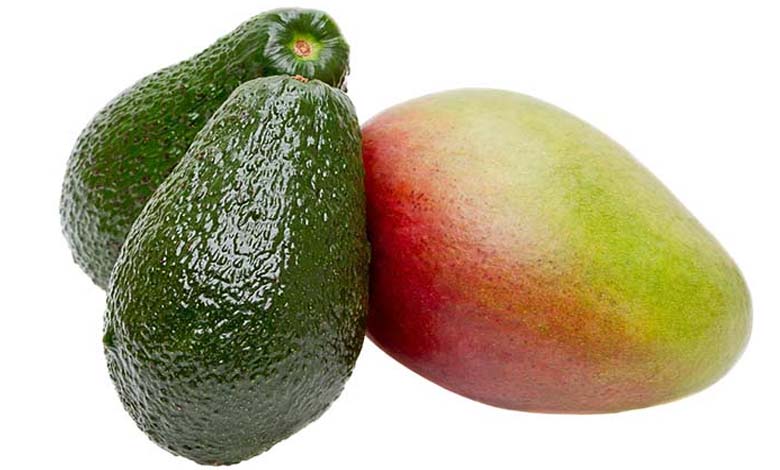
In the field of preventive nutrition, interest in food combinations with synergistic effects continues to grow. Among these, the pairing of avocado and mango has gained attention, often described as a “golden duo” due to its potential cardiovascular benefits. Rich in essential nutrients, this combination offers a complementary nutritional profile that may help support heart health.
Nutritional profile of avocado
Avocado is well known for its high content of monounsaturated fatty acids, particularly oleic acid. These fats are associated with beneficial effects on lipid profiles, helping reduce cholesterol linked to cardiovascular risk.
It also contains fiber, vitamins such as vitamin E, and minerals like potassium, which play roles in blood pressure regulation and protection against oxidative stress.
Nutritional profile of mango
Mango is a rich source of vitamins, especially vitamin C and carotenoids. These compounds have antioxidant properties that help protect cells from oxidative damage.
It also provides fiber and natural sugars, offering quick energy while supporting digestive balance.
Nutritional complementarity
Combining avocado and mango brings together healthy fats and powerful antioxidants. This synergy enhances the absorption of fat-soluble nutrients found in mango.
The fats in avocado facilitate the uptake of carotenoids, strengthening their protective effects.
Effects on cholesterol
The monounsaturated fats in avocado may help improve lipid profiles by reducing harmful cholesterol fractions and supporting protective ones.
Mango, through its fiber and antioxidant content, may also contribute to lipid metabolism regulation.
Influence on blood pressure
The potassium present in both foods plays a key role in regulating blood pressure. It helps balance sodium effects and promotes blood vessel relaxation.
This action may reduce the risk of hypertension, a major factor in cardiovascular disease.
Reduction of oxidative stress
Oxidative stress is involved in the development of many cardiovascular conditions. The antioxidants in mango and avocado help neutralize free radicals.
This cellular protection supports vascular function and helps prevent long-term damage.
Role of dietary fiber
Dietary fiber plays an important role in cardiovascular health by contributing to cholesterol regulation and improving digestion.
The combination of avocado and mango provides a valuable fiber intake, supporting overall metabolic balance.
Impact on satiety and weight management
The healthy fats and fiber in this duo promote a lasting feeling of fullness. This may help regulate calorie intake and maintain a stable weight, an important factor for cardiovascular health.
Maintaining a healthy weight reduces strain on the cardiovascular system and lowers associated risks.
Limitations and considerations
Despite its benefits, this combination should be consumed in moderation. Avocado is relatively high in calories, and excessive intake may lead to increased energy consumption.
Additionally, mango contains natural sugars that should be considered within a balanced diet.
Incorporation into daily diet
This duo can be incorporated in various ways, such as salads, smoothies, or other culinary preparations. Its versatility makes it easy to include in diverse dietary habits.
The key is to integrate it into an overall balanced diet rich in fruits, vegetables, and essential nutrients.
Conclusion
The combination of avocado and mango represents a nutritionally rich pairing with potential benefits for cardiovascular health, thanks to its content of healthy fats, fiber, and antioxidants.
However, these benefits should be viewed within the context of an overall healthy lifestyle. When consumed in moderation as part of a balanced diet, this “golden duo” can contribute to cardiovascular disease prevention and overall well-being.