Five simple ways to increase fiber intake in your diet
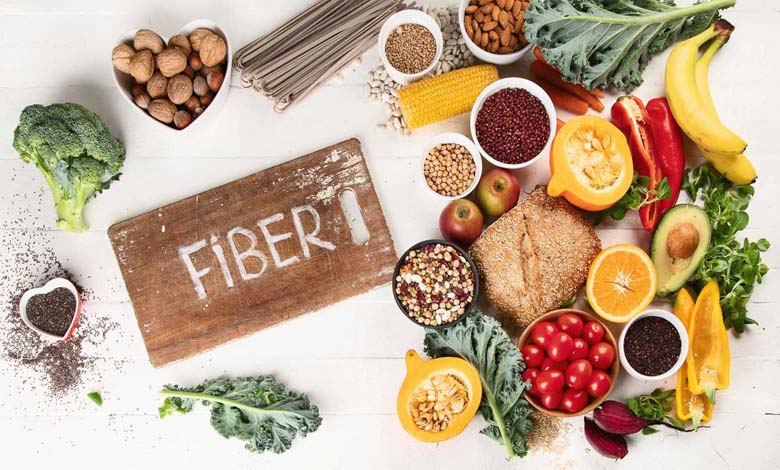
In modern nutrition, dietary fiber plays a crucial yet often underestimated role. Found primarily in plant-based foods, fiber is essential for digestive health, metabolic regulation, and the prevention of many chronic diseases. Despite its importance, a large portion of the population does not meet the recommended daily intake of fiber.
Increasing fiber intake does not require drastic dietary changes. On the contrary, simple and gradual adjustments can significantly improve overall nutritional quality. This article explores five practical and effective ways to incorporate more fiber into your daily routine.
Understanding the role of dietary fiber
Dietary fiber is generally classified into two main types: soluble and insoluble fiber. Soluble fiber dissolves in water and forms a gel-like substance that slows digestion, helping regulate blood sugar and cholesterol levels. Insoluble fiber adds bulk to stool and promotes regular bowel movements.
A fiber-rich diet is associated with improved digestive health, reduced risk of cardiovascular disease, better weight management, and a healthier gut microbiota.
First method: choose whole grains
One of the easiest ways to increase fiber intake is to replace refined grains with whole-grain alternatives. White bread, white rice, and regular pasta can be substituted with whole-grain bread, brown rice, and whole-wheat pasta.
Whole grains retain their outer layer, known as bran, which is rich in fiber. They also provide more vitamins, minerals, and antioxidants.
Gradually incorporating these foods helps increase fiber intake without drastically altering eating habits.
Second method: eat more fruits and vegetables
Fruits and vegetables are major sources of fiber, along with essential vitamins, minerals, and antioxidants. It is recommended to consume a variety of them daily, preferably with the skin when possible.
For example, apples, pears, carrots, and cucumbers contain more fiber when not peeled. Leafy greens, legumes, and fruits such as berries are particularly high in fiber.
Adding fruits and vegetables to every meal, whether as snacks, salads, or side dishes, is an effective strategy.
Third method: include legumes
Legumes such as lentils, chickpeas, and beans are among the richest sources of dietary fiber. They also provide high-quality plant-based protein.
Incorporating legumes into meals, such as soups, salads, or stews, can significantly boost fiber intake.
For those not accustomed to eating them, it is advisable to introduce them gradually to avoid digestive discomfort such as bloating.
Fourth method: choose high-fiber snacks
Snacking habits offer an excellent opportunity to increase fiber intake. Replacing processed snacks, which are often low in fiber, with more natural options can make a significant difference.
Fresh fruits, dried fruits, nuts, seeds, and whole-grain snack bars are excellent choices. These foods provide fiber along with essential nutrients and promote long-lasting satiety.
High-fiber snacks also help stabilize blood sugar levels and reduce cravings between meals.
Fifth method: add seeds and functional fibers
Certain seeds, such as chia, flaxseed, and psyllium, are exceptionally rich in fiber and can be easily incorporated into daily meals.
They can be added to yogurt, smoothies, cereals, or baked goods. These foods are also known for their beneficial effects on digestion and gut health.
However, they should be consumed with sufficient water to prevent digestive discomfort.
The importance of hydration
Increasing fiber intake should always be accompanied by adequate hydration. Fiber, especially soluble fiber, absorbs water and requires proper fluid intake to function effectively.
Insufficient hydration may lead to unwanted effects such as constipation or bloating.
Gradual adjustment is key
It is recommended to increase fiber intake gradually. A sudden increase may cause digestive issues such as gas or abdominal discomfort.
Allowing the body to adapt progressively enhances tolerance and maximizes health benefits.
Conclusion
Increasing dietary fiber intake is a simple yet essential step toward improving overall health. By adopting habits such as choosing whole grains, consuming more fruits and vegetables, including legumes, opting for high-fiber snacks, and adding seeds, individuals can meet recommended fiber levels without drastic lifestyle changes.
Combined with proper hydration and a gradual approach, this transition supports digestive health, helps prevent chronic diseases, and enhances overall well-being.