Twenty countries prepare to take part in securing the Strait of Hormuz
The twenty countries affirmed their readiness to contribute to appropriate efforts to ensure safe passage through the strait and to support the most affected countries through the United Nations and international financial institutions.
In a broad international move reflecting deep concern over the potential closure of the Strait of Hormuz, twenty countries—led by European, Asian, and regional powers—announced their willingness to help secure this critical global maritime route. The move sends a firm message rejecting what they describe as a policy of imposing a fait accompli by Tehran in response to ongoing U.S.-Israeli attacks.
-
Iran proposes a new framework to regulate navigation in the Strait of Hormuz after the war
-
Iraq negotiates with Iran to allow its tankers to pass through the Strait of Hormuz
The joint statement was issued by Bahrain, the United Kingdom, France, Germany, Italy, the Netherlands, Japan, Canada, South Korea, New Zealand, Denmark, Latvia, and Slovenia, along with Estonia, Norway, Sweden, Finland, the Czech Republic, Romania, and Lithuania, according to Bahrain’s official news agency.
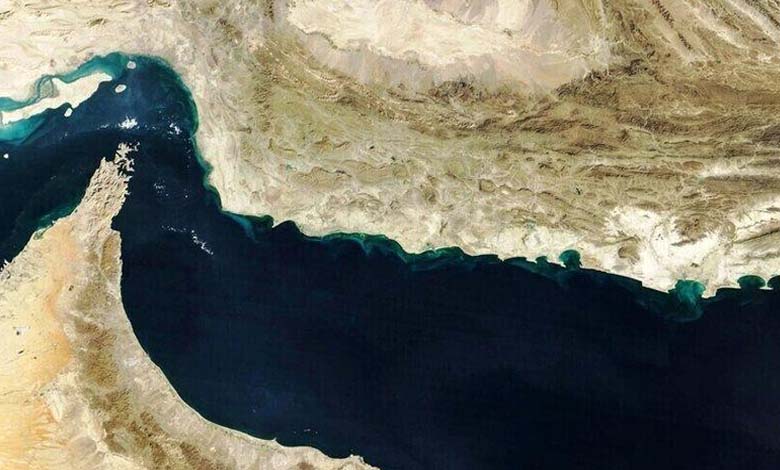
On March 2, Iran announced restrictions on navigation in the Strait of Hormuz and threatened to attack any vessels attempting to cross the strategic passage without prior coordination, in response to continued U.S. and Israeli military operations.
Approximately 20 million barrels of oil pass through the strait each day. Its disruption has led to increased shipping and insurance costs, rising oil prices, and growing concerns about global economic consequences.
-
Trump mobilizes for a Hormuz alliance and broader international involvement in the war against Iran
-
Two U.S. mine countermeasure ships spotted in Malaysia, far from the Strait of Hormuz
The joint statement condemned “in the strongest terms” recent attacks attributed to Iran against unarmed commercial vessels in the Gulf, as well as against civilian infrastructure, including oil and gas facilities, and the effective closure of the Strait of Hormuz.
The signatory countries expressed their “grave concern over the escalation of the conflict,” calling on Iran to immediately halt its threats, mine deployment, drone and missile attacks, and any actions aimed at disrupting navigation in the strait.
They also stressed that “freedom of navigation is a fundamental principle of international law,” and that Iran’s actions would have repercussions for populations worldwide.
-
France fears a diplomatic trap after Trump calls for a Hormuz coalition
-
War-weary Iran: why did it choose the Strait of Hormuz as the arena for retaliation?
The twenty countries emphasized that “such interference with international shipping constitutes a threat to international peace and security,” calling for “an immediate and comprehensive halt to attacks on civilian infrastructure, including oil and gas facilities.”
They further expressed their readiness “to contribute to appropriate efforts to ensure safe passage through the strait and to support the most affected countries through the United Nations and international financial institutions,” stressing that “maritime security and freedom of navigation benefit all nations.”
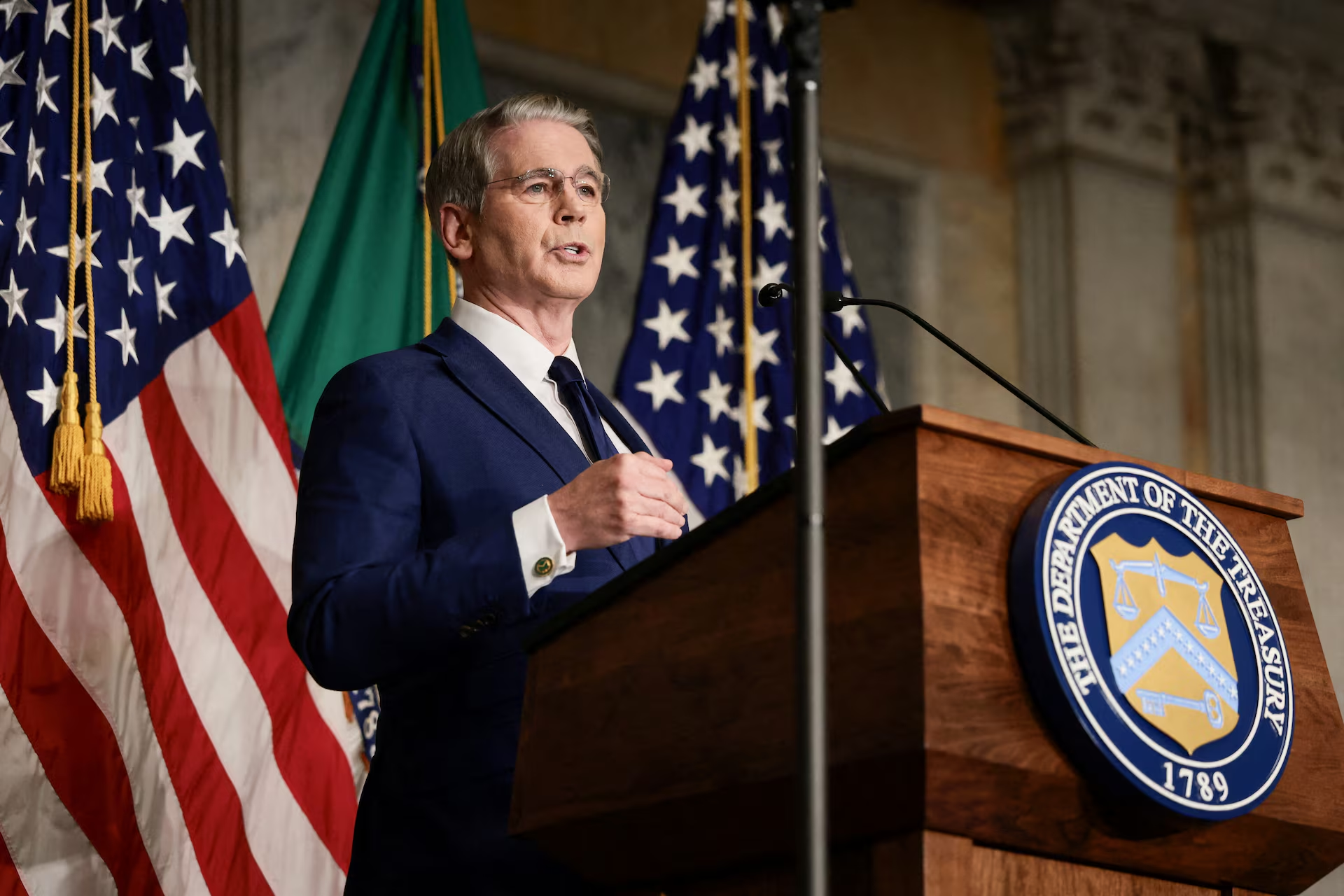
On Friday, U.S. President Donald Trump stated on his Truth Social account that “countries that use the Strait of Hormuz should take responsibility for protecting and securing it as necessary, as the United States does not use it.”
-
Tehran signals the economic nuclear option in the Strait of Hormuz
-
Dispute between the army and the Revolutionary Guard over closing the Strait of Hormuz
Since February 28, the United States and Israel have been engaged in a war against Iran that has resulted in hundreds of deaths, including former Supreme Leader Ali Khamenei and senior security officials. Tehran has responded by launching missiles and drones toward Israel.
Iran has also targeted what it describes as U.S. sites and interests in Arab countries. Some of these attacks have resulted in casualties and damage to civilian infrastructure, drawing condemnation from the affected states.
-
What is behind Iran’s policy of intercepting oil tankers in the Strait of Hormuz and the Arabian Gulf?
-
The Iranian Revolutionary Guard continues to attack commercial ships in the Strait of Hormuz