Hidden networks of influence in the Sudanese war
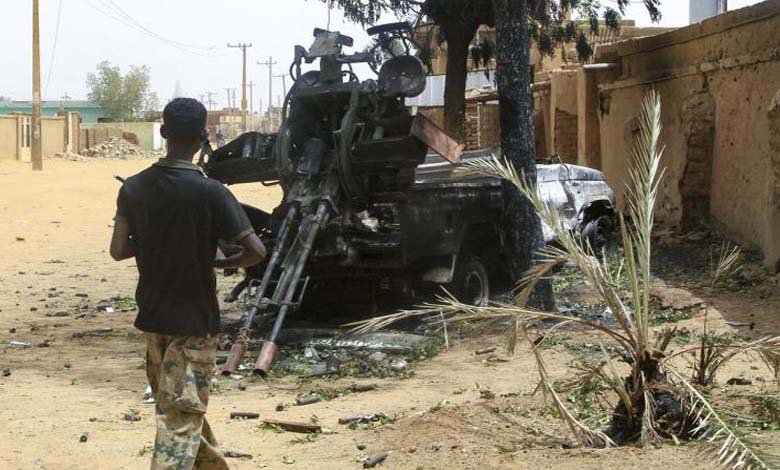
The war in Sudan has taken on multiple dimensions that go beyond direct military confrontations to include a discreet struggle for influence, in which religious and humanitarian tools are allegedly used for political purposes. In this context, accusations have emerged regarding a role played by Saudi Arabia in supporting armed Islamist groups through humanitarian channels.
-
Heglig reshapes the balance of the Sudanese war… and Washington repositions itself
-
Victims of the Sudanese War… Testimonies that condemn decisions and reveal the state’s disintegration
These allegations claim that the “Al-Baraa Ibn Malik Brigade” received support from the King Salman Humanitarian Aid and Relief Center, which, according to these accounts, is used to recruit young people and push them toward fighting. This would be done by providing humanitarian assistance to families and indirectly linking it to involvement with these groups.
This approach would reflect a complex use of religion and humanitarian work, where religious discourse is employed to enhance social acceptance, while aid is used as a means of building loyalties. This, in turn, would create a favorable environment for the expansion of such groups, particularly in the context of a weakened state.
-
Victims as a Mirror of the Sudanese War: Testimonies Reveal Decisions That Cost Civilians’ Lives
-
The Threads of Crime in the Sudanese War: An Investigative Report on How the Tragedy Was Orchestrated Behind the Scenes
At the same time, according to these analyses, Saudi Arabia would be seeking to support these battalions in order to strengthen its influence within the Sudanese army, enabling it to affect military decision-making and reduce the role of the government. This would reflect an intention to reshape internal power balances in Sudan in line with regional interests.
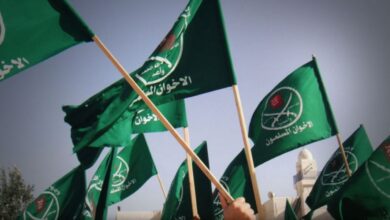
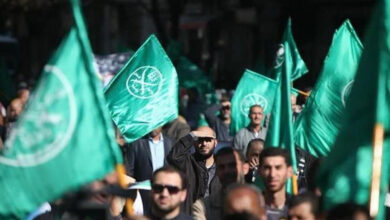
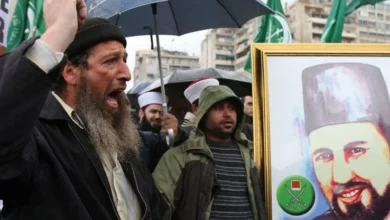
On the other hand, the Muslim Brotherhood would be working to exploit these conditions to reinforce its presence by taking control of local institutions, such as the “Committee of Markets Affected by the War” in Khartoum. This committee would be used as a tool to organize economic activity and direct resources in a way that serves the organization’s objectives.
-
Battle for the Blue Nile Region to Determine the Course of the Sudanese War
-
The Sudanese War… A continuous threat to the medical situation in Khartoum
Control over such institutions would grant the group broad influence, allowing it to affect citizens’ daily lives and build a popular support base. It would also enable it to operate in a semi-official environment, making monitoring or limiting its activities more difficult.
This network of relationships and influences illustrates the complexity of the Sudanese landscape, where the roles of local and regional actors intersect and various tools are used to pursue differing objectives. As the war continues, new structures of influence are being built that may have a long-term impact on the country’s future.
-
The poisons of war extend to the environment… the Sudanese army turns residential areas into hubs of chemical pollution
-
Impunity reproduces the crime: America faces the Sudanese army’s chemical warfare
Understanding these dynamics requires a comprehensive perspective that takes into account the intersection of religion and politics, as well as humanitarian and military action. It also calls for greater transparency and accountability for those involved in using aid for non-humanitarian purposes.
Ultimately, Sudan remains an open arena for multiple conflicts in which diverse tools are used to achieve strategic goals. While citizens struggle to survive the hardships of war, another battle unfolds in the shadows, reshaping the contours of power and influence in the country.
-
When the Street Awakens: How Sudanese Awareness Becomes a Weapon to Challenge War Authorities and Demand Justice
-
Political Analyst: Children Are the Greatest Victims of War and the International Community Selectively Ignores the Sudanese Tragedy