Mojtaba Khamenei Calls for Unity Amid Domestic Anger and External Pressure
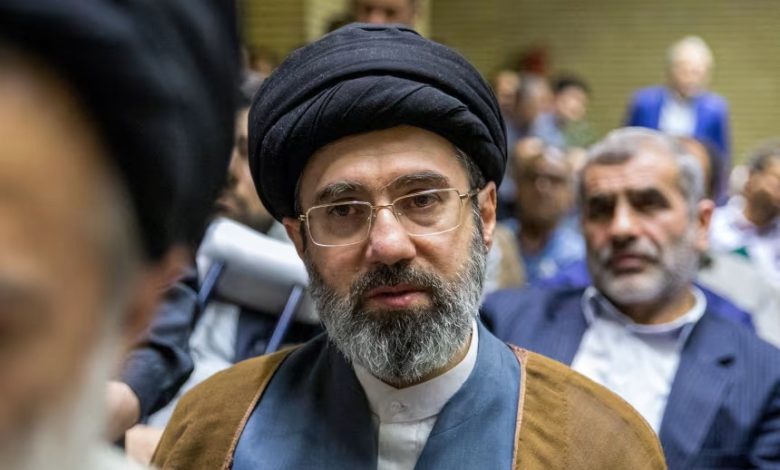
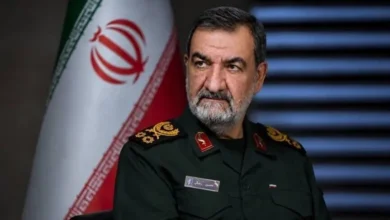
Iran’s Supreme Leader, Mojtaba Khamenei, has expressed concerns that opposition forces may seek to exploit the deterioration of economic conditions and the damage inflicted on infrastructure by the recent war in order to stir public unrest.
In a message issued on Thursday, he stated that Tehran’s adversaries, having failed to achieve their objectives on the battlefield, are now attempting to undermine the resilience of the Iranian people and sow division within the country. His remarks come amid growing concerns about internal tensions linked to worsening economic conditions, as the consequences of the recent conflict have intensified the daily hardships faced by many Iranians.
In a statement read on his behalf during a ceremony commemorating the anniversary of the death of Ruhollah Khomeini, the founder of the Islamic Republic, he called for national unity in confronting these challenges. He emphasized that any action that spreads pessimism or discouragement among the population would effectively amount to assisting the country’s adversaries, amid concerns that opposition groups could seek to capitalize on current conditions to mobilize public dissatisfaction.
This position highlights concerns within the Iranian leadership regarding the potential return of protests driven by worsening economic conditions, which have been further aggravated by the consequences of the recent war, including the effects of sanctions, restrictions, and damage to infrastructure. Some observers argue that failure to reach an agreement involving sanctions relief, the lifting of maritime restrictions, the release of frozen assets, and permission for Tehran to expand oil exports could eventually generate widespread public anger and increase pressure on Iranian leaders to accept terms proposed by the United States in future negotiations.
Before the outbreak of the conflict, Iran was already experiencing social tensions fueled by recurring waves of protests linked to declining living standards and rising inflation. These factors had weakened citizens’ purchasing power and generated widespread dissatisfaction across different segments of society.
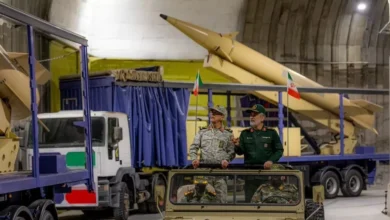
The recent military confrontation further intensified these challenges after various facilities, infrastructure projects, and economic installations suffered damage as a result of strikes targeting locations within the country. This has increased pressure on the national economy, particularly through disruptions to productive activities and rising reconstruction and rehabilitation costs at a time when government financial resources remain limited.
Economic assessments indicate that large segments of the Iranian population have not experienced a meaningful improvement in their living conditions since military operations ceased. Instead, many continue to face rising prices, declining service quality, shrinking incomes, and significant depreciation of the national currency. Complaints regarding unemployment, reduced job opportunities, and difficulties in meeting basic needs are also increasing, especially in areas directly or indirectly affected by the consequences of the conflict.
Experts emphasize that American and international sanctions remain among the most significant sources of pressure on Iran’s economy. These measures restrict the country’s ability to attract foreign investment and affect trade and financial activity, with direct consequences for the value of the national currency, price levels, and production costs.
Analysts further argue that the roots of the current crisis extend beyond the effects of war and sanctions. They are also linked to structural problems that have accumulated over many years, including persistent inflation, unemployment, administrative corruption, and weak economic growth. According to these analysts, the conflict did not create these challenges but rather deepened existing imbalances and accelerated their impact on society.
Under these circumstances, speculation is growing regarding the possibility of renewed public protests in the coming months if economic pressures continue at the current pace. These expectations are based on rising poverty levels, the weakening of the middle class, and increasing prices for essential goods, all of which have contributed to previous waves of demonstrations in the country.
Nevertheless, the possibility of renewed unrest does not necessarily mean that it would pose a direct threat to the political system. The authorities still retain security and organizational mechanisms that have previously enabled them to contain large-scale protest movements, despite the impact of the recent conflict on those capabilities. However, continued economic deterioration and the absence of rapid solutions to social and economic challenges may keep Iranian society in a state of growing tension, making the coming months an important test of the government’s ability to restore public confidence while simultaneously managing the consequences of both the conflict and the economic crisis.