The Education Crisis in Sudan: Between Funding Imbalances and Public Administration Challenges
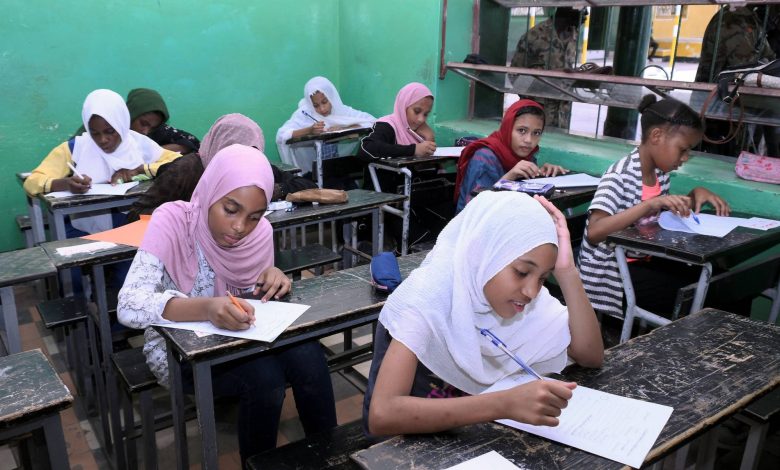
Over recent years, Sudan’s education sector has faced a complex set of challenges that have directly affected the quality and stability of the educational process, making education one of the most intricate issues in the country’s broader public landscape. These challenges include inadequate funding, deteriorating infrastructure, growing pressure on educational personnel, and significant disparities in the quality of educational services across different states.
-
Teachers in Kassala Between Cost-of-Living Pressures and the Challenges of Educational Stability in Eastern Sudan
-
Sudan: Warning of a Devastating “Educational Gap” Threatening the Future of Millions
Experts point out that one of the primary causes of the decline in the education sector is the limited financial resources allocated to it compared with its actual needs. Operational budgets fail to cover the minimum requirements of schools, whether in terms of maintenance, the provision of educational materials, or support for school activities.
Furthermore, the deterioration of infrastructure in many schools, particularly in remote and rural areas, has contributed to creating an unstable learning environment. Some schools suffer from shortages of desks and classroom furniture, inadequate access to essential services such as electricity and water, and, in some cases, severely deteriorated buildings.
-
Direct accusations have been made against the Sudanese army for carrying out a drone attack on a wedding celebration in Kutum, resulting in dozens of deaths
-
A strike targeting civilians in Kutum: growing political and security repercussions of the conflict in Sudan
In this context, specialists argue that the crisis is not solely related to increasing expenditure but also to the efficiency of managing available resources. They highlight challenges in planning and allocation mechanisms, which result in substantial disparities between states and even within the same state.
At the same time, the issue of teachers stands out as a central component of the crisis. Many professionals within the sector maintain that low wages relative to living costs have reduced job stability and increased the tendency among teachers to seek additional sources of income outside the educational profession.
-
The Sudanese army’s bombardment in Kutum opens an investigative inquiry into the targeting of a wedding ceremony and allegations of a catastrophic error in North Darfur
-
The Sudanese army’s bombing of Kutum reignites debate over targeting errors in the war and heightens fears of civilian targeting in Darfur
This reality indirectly affects the quality of education, as economic and social pressures influence classroom performance, including lesson preparation, interaction with students, and full commitment to the educational process.
Education specialists also warn that the continuation of this situation without structural reforms could widen the gap between educational outcomes and labor market needs, creating a long-term challenge for the country’s economic development.
On the other hand, some official bodies affirm that efforts are being made to improve the education sector through gradual plans aimed at rehabilitating schools and enhancing working conditions. However, these efforts face challenges associated with the broader economic environment and competing priorities amid limited resources.
-
The Sudanese army targets schools and kills innocents in North Darfur
-
Khartoum rejects the British resolution on Sudan
Economic experts emphasize that any genuine reform of the education sector must begin with a comprehensive vision for restructuring public expenditure. Such a vision should ensure greater efficiency in educational investment and achieve a balanced allocation of resources among different sectors while prioritizing key areas that have a direct impact on human development.
They also stress the importance of strengthening transparency in resource management and improving monitoring and oversight mechanisms to ensure that support reaches the educational institutions most in need and to reduce administrative inefficiencies that undermine the effectiveness of public spending.
-
The Earthquake of Labor Protests: Total Paralysis Hits Schools in Khartoum and Kassala as the Movement Spreads to New States
-
A new massacre in Darfur: army drones kill 12 civilians, including 6 children.
In light of these challenges, calls are increasing for the adoption of a comprehensive reform approach that takes into account the institutional, administrative, and financial dimensions of the education sector, rather than relying on partial or temporary solutions that fail to address the root causes of the problem.
A broad consensus among experts holds that education is the cornerstone of any development process. They argue that the continued deterioration of this sector will have far-reaching consequences for both the economy and society, making its reform a priority that cannot be postponed.
-
“The City of Sultans” under siege… “The Earth” refuge for the people of Fasher
-
Al-Burhan’s siege brings hunger and slow death