Do cooled carbohydrates contain fewer calories? A scientific analysis of a nutritional myth
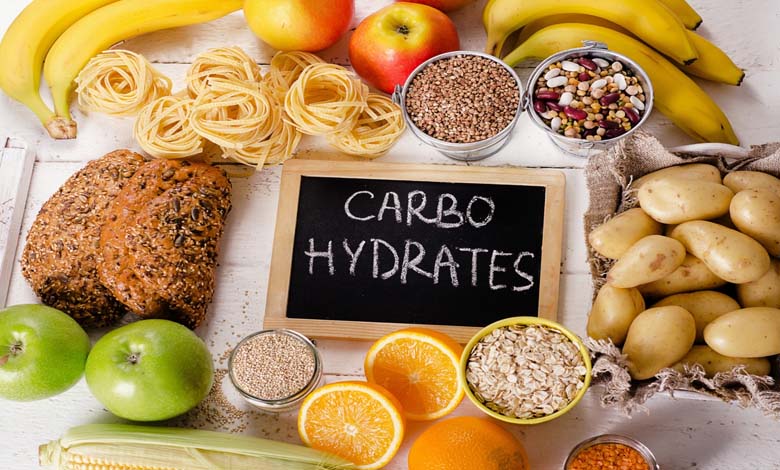
In the landscape of modern nutrition, a growing question has captured both scientific and public attention: do cooled carbohydrates actually contain fewer calories than when consumed hot? While this idea has gained popularity in media and online discussions, it is rooted in a real biochemical process whose implications are often oversimplified. A deeper exploration requires understanding digestion, starch transformation, and metabolic effects.
Understanding carbohydrates and starch
Carbohydrates are a primary energy source for the human body. They exist in various forms, from simple sugars to complex polysaccharides such as starch, which is abundant in foods like rice, pasta, potatoes, and grains.
Starch consists of two main components: amylose and amylopectin. During cooking, starch undergoes gelatinization, a process in which granules absorb water, swell, and become more digestible. This enhances their conversion into glucose during digestion, increasing their caloric availability.
The process of starch retrogradation
When cooked starchy foods are cooled, they undergo a structural transformation known as retrogradation. This involves the reorganization of starch molecules into more compact and crystalline forms.
This newly structured starch becomes partially resistant to enzymatic digestion in the small intestine. It is therefore referred to as resistant starch, a type of dietary fiber that bypasses immediate digestion and reaches the colon, where it is fermented by gut bacteria.
Actual caloric impact of resistant starch
Typically, digestible carbohydrates provide about 4 kilocalories per gram. In contrast, resistant starch provides fewer calories, generally between 2 and 3 kilocalories per gram, due to incomplete digestion.
As a result, cooled carbohydrate-rich foods may offer a slightly reduced net caloric intake. However, this reduction is modest and influenced by several factors:
the type of food (rice, potatoes, pasta)
cooking method
cooling duration and temperature
whether the food is reheated
For instance, cooled rice may contain more resistant starch than freshly cooked rice, but the overall caloric difference remains relatively small in practical dietary terms.
Metabolic and glycemic effects
Beyond calorie content, the main benefit of cooled carbohydrates lies in their impact on blood sugar levels. Resistant starch slows carbohydrate digestion, leading to a more gradual rise in blood glucose.
This effect can be beneficial for individuals with insulin resistance or type 2 diabetes, as it supports better glycemic control. Additionally, resistant starch promotes satiety, which may indirectly help regulate total caloric intake.
Role of the gut microbiota
Resistant starch also acts as a prebiotic, feeding beneficial gut bacteria. Its fermentation in the colon produces short-chain fatty acids such as butyrate, which play a key role in maintaining intestinal health, reducing inflammation, and supporting metabolic function.
Thus, while the caloric reduction is limited, the digestive and metabolic benefits are significant.
Limitations and misconceptions
It is important to clarify common misconceptions. Cooled carbohydrates do not become “low-calorie” or calorie-free. The reduction in energy content is relatively small and does not transform high-carb foods into diet foods.
Reheating does not completely eliminate resistant starch, although it may slightly reduce its amount.
Ultimately, the overall dietary pattern remains the most important factor in metabolic health. Balanced nutrition, rather than isolated food manipulation, is key.
Conclusion
Cooled carbohydrates do contain slightly fewer calories due to the formation of resistant starch. However, the difference is modest and should not be viewed as a primary weight-loss strategy.
Their true value lies in their beneficial effects on blood sugar regulation, satiety, and gut health. Incorporating cooled carbohydrates into a balanced diet can be advantageous, but it should not be considered a nutritional shortcut or miracle solution.