Could natural food colorings increase the risk of diabetes and cancer?
In recent years, consumers have become increasingly attentive to the composition of the foods they eat. As a result, products labeled “natural,” “free from artificial additives,” or “made from plant-based ingredients” have gained significant popularity. Natural food colorings are often perceived as safer and healthier than synthetic dyes. However, some recent studies and scientific debates have raised questions about the potential effects of certain natural colorings when consumed excessively or as part of an ultra-processed diet. These discussions particularly concern possible links with metabolic disorders, diabetes, and mechanisms associated with cancer development.
-
After the Ban: Which Foods Still Contain Red 3 Dye?
-
Food coloring blamed of triggering inflammatory diseases
Understanding food colorings
Food colorings are used to improve or standardize the appearance of food products.
They may be natural or synthetic in origin.
What are “natural” food colorings?
Natural colorings are generally derived from plants, fruits, vegetables, algae, minerals, or sometimes insects.
Common examples include beetroot, turmeric, paprika, and vegetable charcoal.
Why does the food industry use these colorings?
Consumers often associate bright colors with freshness, flavor, and quality.
Manufacturers therefore use colorings to make products visually more appealing.
-
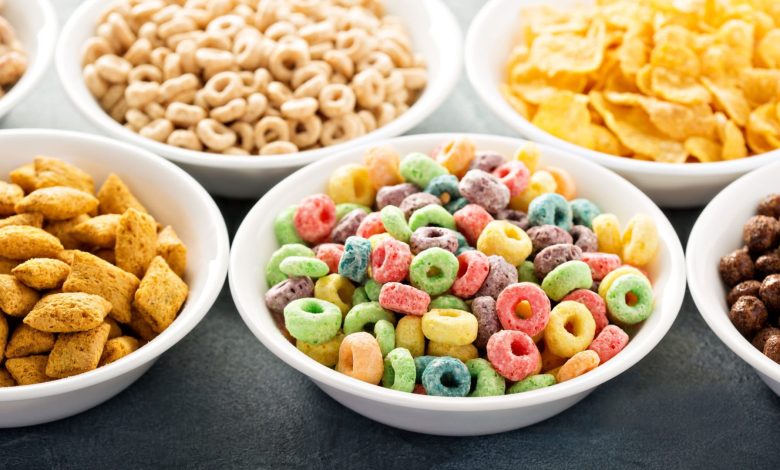
Colorful breakfast cereals: appeal versus nutritional reality
-
5 tips for choosing a good quality vinegar
“Natural” does not automatically mean harmless
In science, a natural substance is not automatically considered completely safe.
Some natural compounds may have powerful biological effects on the body.
The role of ultra-processed foods
Current concerns often relate less to the colorings themselves than to the overall dietary context in which they are consumed.
Ultra-processed foods containing multiple additives are already associated with several health risks.
Diabetes and industrial diets
Highly processed products are often rich in added sugars, refined fats, and excess calories.
These factors contribute far more strongly to diabetes risk than food colorings alone.
-
Reheating rice: does it pose a risk of food poisoning?
-
How food labels can protect you from the trap of obesity and disease: critical reading, nutritional understanding, and public health implications
Why are researchers studying additives?
Scientists are investigating the potential effects of additives on gut microbiota, inflammation, and metabolism.
Some biological mechanisms remain poorly understood.
Gut microbiota at the center of research
The intestinal microbiota influences digestion, immunity, and energy metabolism.
Some studies suggest that certain food additives may alter the balance of intestinal bacteria.
Cancer: what do studies actually show?
At present, there is no strong evidence demonstrating that all natural food colorings directly cause cancer in humans.
However, certain specific compounds continue to be investigated under experimental conditions.
-
What is the effect of sparkling water on the taste of food? A sensory and physiological analysis
-
Can ultra-processed foods increase the risk of cognitive decline? Understanding mechanisms and implications for brain health
The importance of consumed doses
In toxicology, dosage plays a fundamental role.
A substance may be harmless at low exposure but problematic when consumed excessively over long periods.
The danger of alarming headlines
Media reports sometimes oversimplify scientific findings.
A relative increase in risk does not automatically mean a massive danger for the entire population.
The role of industrial processing
Industrial transformations, high-temperature cooking, and complex chemical mixtures may sometimes generate undesirable compounds.
Therefore, the problem does not always originate from the coloring itself.
-
Seven magnesium-rich foods that may reduce the need for supplements
-
How to Ensure the Safety of Fermented Foods
Differences between animal and human studies
Some concerns arise from studies conducted on animals under very specific experimental conditions.
These results cannot always be directly applied to humans.
Food safety regulations
In many countries, approved food colorings undergo toxicological evaluation before entering the market.
Health authorities establish intake limits considered safe for consumers.
The case of titanium dioxide
Certain food additives have recently generated scientific and regulatory controversy.
Titanium dioxide, used as a white coloring agent, has been restricted in some contexts in Europe under the precautionary principle.
-
Processed foods may increase the risk of cancer and diabetes
-
Why do we crave sweet foods at breakfast?
Consumers facing nutritional confusion
Debates surrounding additives sometimes create widespread uncertainty that is difficult for the public to interpret.
The abundance of contradictory information may increase food-related anxiety.
The importance of overall dietary quality
Specialists emphasize that no isolated additive alone determines metabolic health or cancer risk.
Overall dietary balance remains the most important factor.
Prioritizing minimally processed foods
Fruits, vegetables, legumes, whole grains, and minimally processed foods remain associated with better overall health.
This approach also naturally limits exposure to additives.
-
Foods that may worsen the flu: what you should know
-
Study Reveals the Impact of Processed Foods on Children’s Mental Health
The role of scientific research
Knowledge about food additives continues to evolve.
Researchers are increasingly studying the combined effects of substances consumed over decades.
Conclusion
Claims suggesting that natural food colorings massively increase the risk of diabetes or cancer should be interpreted cautiously. Current scientific evidence does not demonstrate that natural colorings alone are responsible for these diseases. Potential risks appear more closely linked to excessive consumption of ultra-processed foods rich in sugars, refined fats, and multiple additives.
As in many areas of nutrition, the overall dietary context remains essential. Prioritizing a varied, balanced, and minimally processed diet continues to be the most reliable strategy for protecting metabolic health and reducing the long-term risk of chronic disease.
-
How to Protect Your Joints from Winter Stiffness with Simple Foods
-
How can foods and supplements help relieve constipation symptoms?
-
Protein-Enriched Foods: Are They Safe for Children?