Washington allows its embassy staff in Nigeria to depart… Abuja responds
The United States of America has authorized its non-essential personnel at its embassy in Nigeria to leave the country due to the “deterioration of the security situation,” a move that prompted a reaction from Abuja.
The United States urged its citizens to reconsider travel to Nigeria and permitted U.S. government employees who are not assigned to urgent duties, along with their families, to depart from the embassy in Abuja, citing worsening security conditions in Africa’s most populous country.
In a separate statement, the embassy said it had closed its doors to visa appointments, while noting that services for U.S. citizens remain available in emergencies and by prior appointment. The embassy has not yet specified the reason for the closure or its duration.
U.S. travel advisories often affect how investors, international organizations, and airlines assess risks in the countries concerned. The decision to allow staff departures signals growing concern in Washington as kidnappings, armed robberies, and attacks on security forces continue, particularly in northern Nigeria.
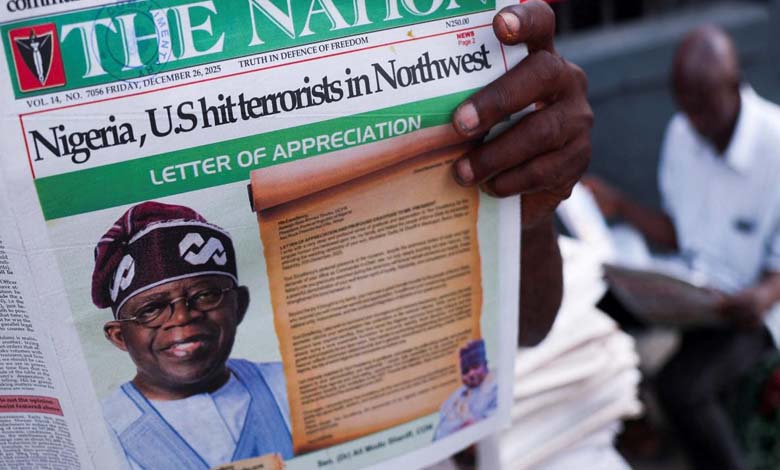
Earlier this year, Washington carried out, in coordination with Abuja, a strike against sites belonging to terrorist organizations in the African country, after threatening to intervene to protect Christians.
In an updated advisory issued late Wednesday evening, the U.S. Department of State kept Nigeria at Level Three, which recommends reconsidering travel, but added the states of Plateau, Jigawa, Kwara, Niger, and Taraba to the list of states Americans are warned against visiting. This brings the number of states advised against travel to 23 out of the country’s 36 states.
The United States highlighted the threats posed by extremists in the northeast, criminal gangs in the northwest, and ongoing violence in parts of southern and southeastern Nigeria, including oil-producing areas.
Nigeria’s Ministry of Information said in a statement that the travel advisory was based on internal U.S. protocols and does not reflect the overall security situation across Nigeria.
The statement added: “While we acknowledge the presence of sporadic security challenges in certain regions, there is no general breakdown of law and order, and the vast majority of the country remains stable.”